
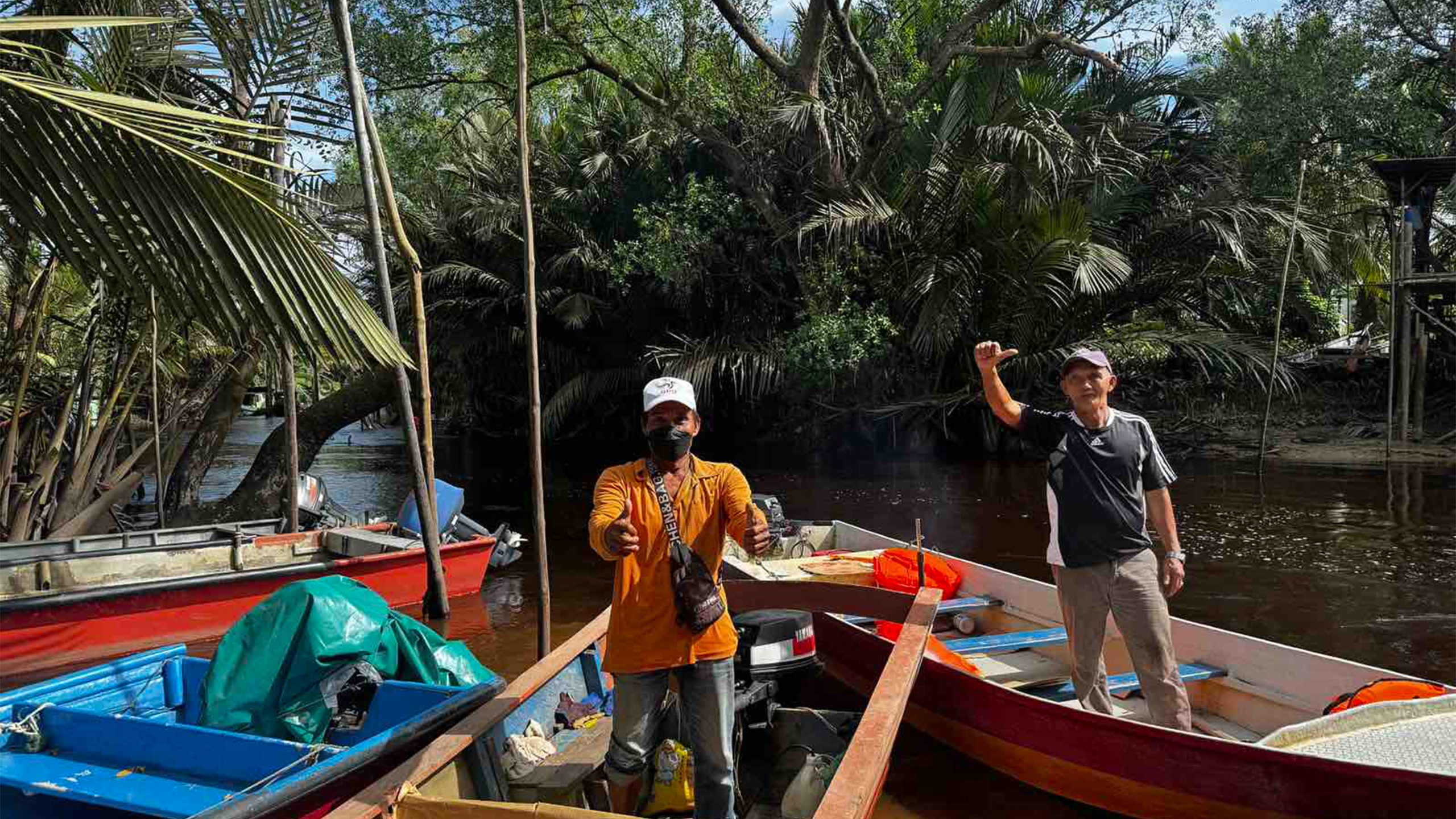
Wetlands conservation is often overlooked because wetlands appear to be muddy lakes or waterlogged forests to those unfamiliar with them.
Wetlands are weird. To those who are unfamiliar, it either looks like a muddy lake or a waterlogged forest. But after years in this field, you will definitely learn to appreciate these valuable natural resources and say that wetlands certainly have more than meets the eye. These are vital and productive ecosystems that contribute greatly to climate regulation, water purification, food security, and disaster risk reduction. Wetlands are also home for countless species, including migratory birds and other wildlife.
Another aspect we often overlook or perhaps underestimate is the communities surrounding these wetlands. They do not just depend on these natural resources for their livelihood and sustenance. In return they also become the de facto guardians of wetlands. Bound by a shared sense of responsibility, they are keepers of tradition and knowledge that is handed over to future generations.
Today, the ASEAN Centre for Biodiversity (ACB) joins the global celebration of World Wetlands Day with the theme, “Wetlands and traditional knowledge: Celebrating cultural heritage.” Our celebration this year is particularly significant as we mark the 50th anniversary of the Convention on Wetlands, the intergovernmental agreement that guides the conservation and use of wetlands and their resources.
The current Strategic Plan of the Convention on Wetlands (2025-2034) acknowledges different “ways of knowing” when it comes to the conservation and sustainable use of wetlands. This includes invaluable traditional knowledge and sciences, especially those developed by Indigenous Peoples and surrounding local communities as part of their heritage throughout the years.
Recognising how much successful wetland conservation relies on the active participation of local communities, the ACB works hand-in-hand with key stakeholder groups—such as Indigenous Peoples, women, and youth—by supporting sustainable livelihoods that align with wetland conservation and promoting community-led stewardship.
One of our current initiatives exemplifies the promotion of inclusivity and the importance of listening to the knowledge of local key stakeholders. The Enhancing Conservation and Restoration of Wetlands and Peatlands in ASEAN as Effective Sinks and Reservoirs of Greenhouse Gases (EnCORE Wetlands) Project aims to strengthen research, capacity building, and policy development for effective wetland management in the region. This week, our project staff in coordination with local partners are conducting back-to-back workshops involving Indigenous Peoples living near Maludam National Park, a 53,568 hectare peat swamp forest in Sarawak, Malaysia.
The same workshops on developing social and evolutionary safeguards, were also held in Agusan Del Sur, Philippines, for stakeholders of the Agusan Marsh Wildlife Sanctuary.
Another related initiative is the ASEAN Flyway Network. This regional platform and collaborative effort by national focal points, flyway site managers, experts, and other key stakeholders aims to ensure the survival of migratory birds and the sustainability of their habitats within Southeast Asia. This is done by increasing the capacity and enhancing communication and public awareness in the ASEAN Member States on wetlands and migratory birds. This network is closely linked to the East Asian–Australasian Flyway Partnership Project (EAFPP), which aims to protect migratory waterbirds and their habitats throughout their migration routes. By conserving wetlands across borders, we contribute to global efforts to safeguard biodiversity and ensure the survival of migratory species.
Wetlands conservation is also part of the ASEAN Heritage Parks (AHPs) Programme. In 2025 alone, five wetlands were included in this growing list of “protected areas of high conservation importance that represent the best ecosystems of the ASEAN region.”
As we commemorate World Wetlands Day 2026 and the 50th anniversary of the Convention on Wetlands, the ACB continues to call on like-minded partners, governments, Indigenous Peoples and local communities including women and youth to work together for the conservation and sustainable use of our wetlands. Let us actively take part in the discussions and learn from each other as we embrace the shared commitment of being responsible stewards of these wonderful wetlands.
Written by Dr. Jerome L. Montemayor

 Facebook
 Twitter