
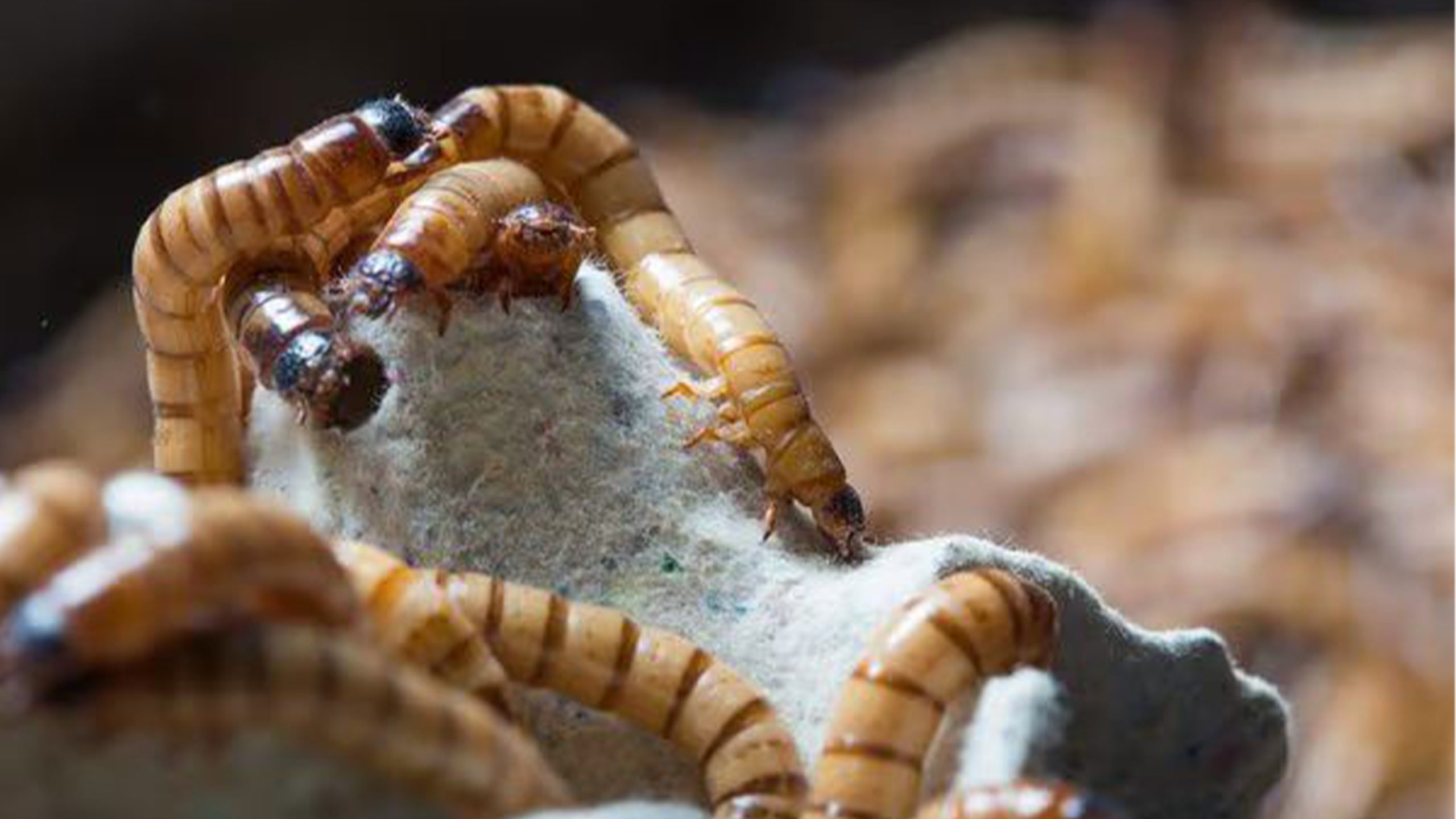
Superworm snack innovation is gaining attention as a young entrepreneur transforms superworms into a nutritious and sustainable food product.
Of course, Filipinos are very much acquainted with earthworms, which flourish in nearly all types of soil, provided that there is adequate moisture and organic matter to support their existence. One of the most comprehensive investigations into earthworm behavior was carried out by the English naturalist Charles Darwin.
However, have you ever heard of superworms? These are actually the larvae of Zophobas morio, a species belonging to the darkling beetle family. This species is part of the Tenebrionidae family, which encompasses over 20,000 species distributed worldwide.
The term Tenebrio translates to “lover of darkness.” In English, the word “darkling” refers to something that is “characterized by darkness or obscurity.”

While they may be obscure, recent research has indicated that superworms can serve as effective waste disposal agents. They have been discovered to consume expanded polystyrene foam.
According to the findings of these studies, superworms decompose polystyrene through a two-step process: initially by mechanically grinding the plastic into smaller fragments via chewing, which allows exposure of these fragments to oxygen atoms, and subsequently by employing bacterial gut enzymes to depolymerize the fragments.
The study’s results indicated that superworms that were provided with a diet consisting of polystyrene exhibited increased activity levels and were able to gain a slight amount of weight in comparison to the same species of larvae subjected to a starvation diet.
Superworms can also serve as a food source for pets, similar to the widely used mealworm. They possess a relatively high amount of protein and fat, making them an appealing option for pet feed for captive reptiles, amphibians, fish, and birds, as well as other insectivorous species such as ants.
The ability of superworms to stay alive without eating for one to two weeks makes the keeping process highly feasible for bulk commercial availability around the world.
However, pet owners are advised to keep them in warm temperatures as, unlike the mealworm, superworms do not enter the process of hibernation. They are also known to bite and agitate when threatened by handling, although the bite is not very painful.
Now, here’s a catch. Superworms can also be turned into a delicious and nutritious snack. Yes, you read it right. John Paul A. Cabangal, who comes from Pigcawayan, North Cotabato, is producing such a product. The 31-year-old innovator is the founder of I-Farm Agribiz and Food Products.
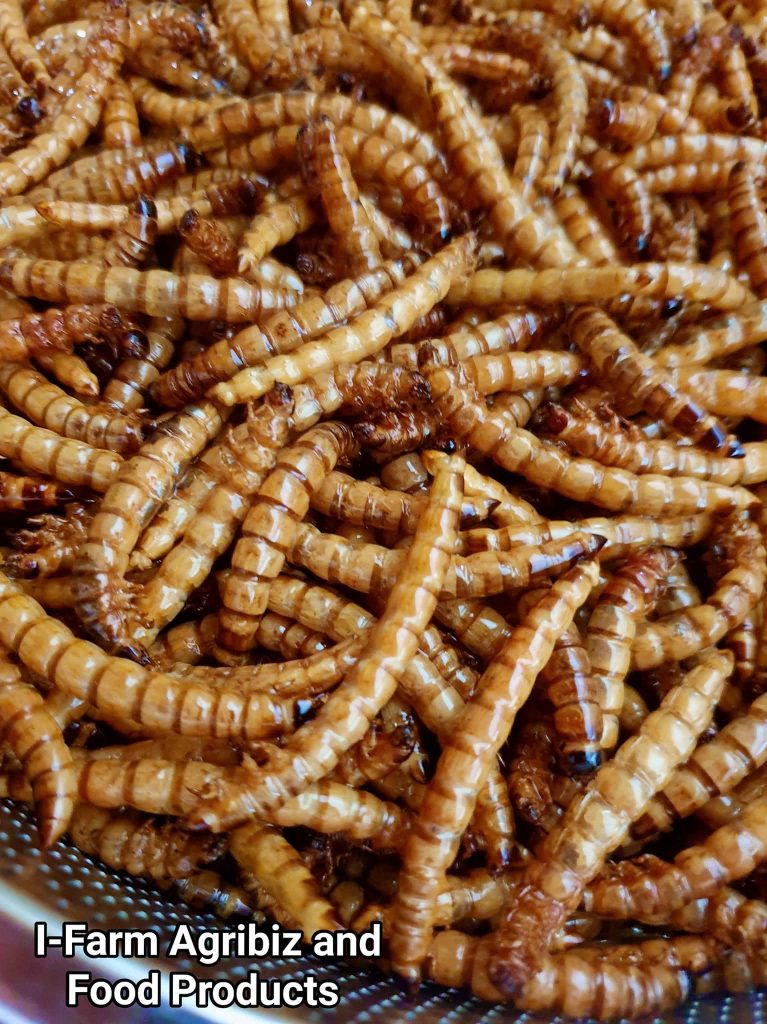
I-Farm is one of the start-up ventures in North Cotabato that promotes sustainable agriculture and food innovation. One of its products, known as Grubilicious chichaworm, has been cited during the National Agri-Aqua Innovation Challenge as Mindanao’s best insect-based food snack.
“First-time consumers often exhibit initial hesitation,” Cabangal says. “They tend to second-guess their choices. Many are unaware that edible insects exist. Some feel apprehensive due to the numerous misconceptions surrounding them. However, once they have tried it, their perspectives and opinions shift. They discover it to be tasty, crunchy, delicious, and nutritious.”
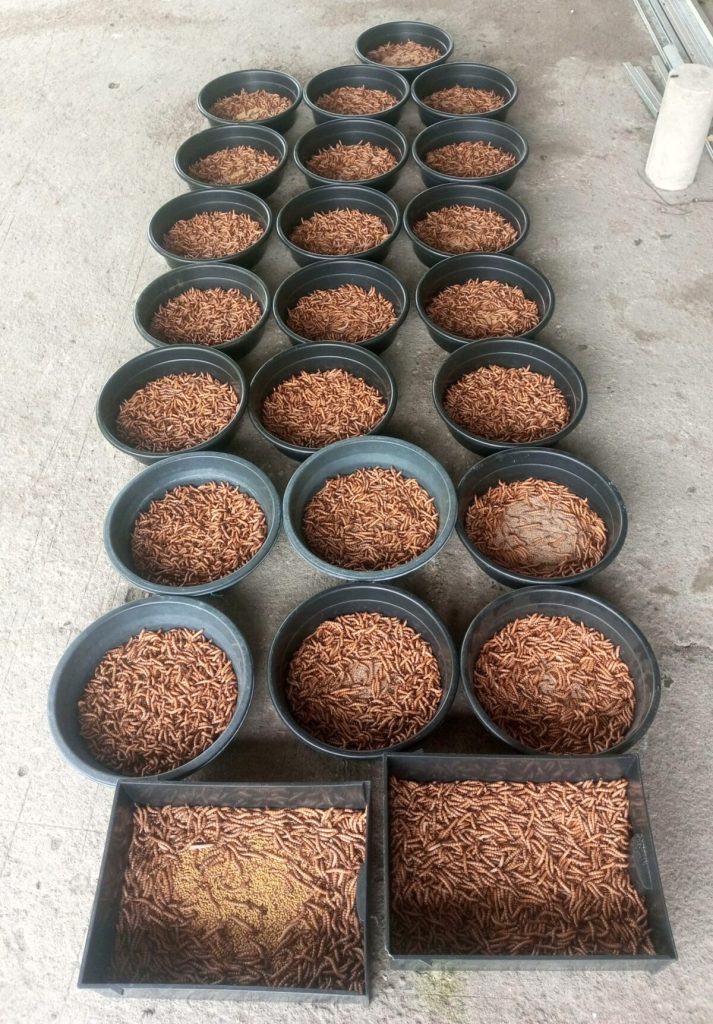
He raises darkling beetles and superworms at his farm. Raising them is good for the environment. They require less land, less water consumption, less feed intake, and less emissions of greenhouse gases.
According to him, superworms chosen for breeding purposes are collected when they are at least four months old. Following this, they are kept in isolation for a month to allow for the emergence of adult darkling beetles.
“Based on my experience, a colony consisting of 200 to 300 mixed beetles, both male and female, can yield three to four kilograms of superworms each month, contingent upon the level of care and management provided,” he says.
Darkling beetles have a productive lifespan ranging from six to eight months. “Harvesting can occur on a weekly or monthly basis to facilitate the monitoring of the larvae or superworms’ age,” he notes.
For the purpose of human consumption, he collects superworms when they are between two to four months old, depending on their size or growth rate. “Some superworms exhibit rapid growth,” he acknowledges. “Typically, I harvest them when they average between 0.7 and 0.8 grams in live weight.”
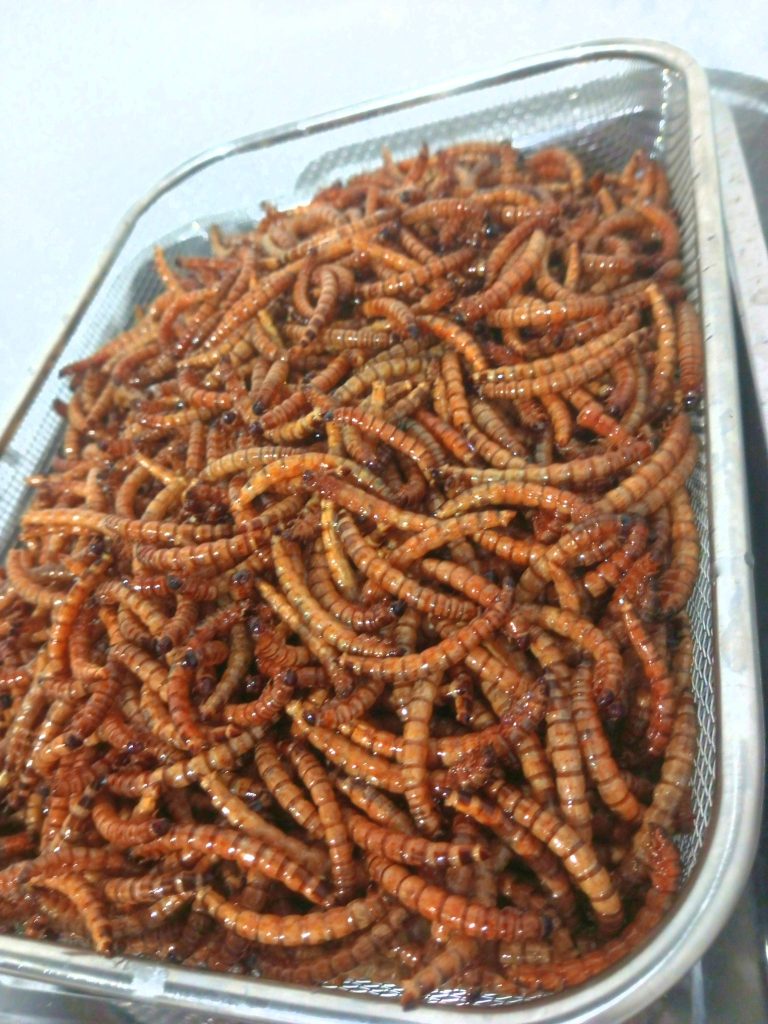
In processing chichaworm, superworms don’t undergo drying. “They are harvested alive and freshly cooked in every batch,” he says.
According to Cabangal, each pack of Grubilicious Chichaworm contains 25 grams for the standard size and 6 grams for the smaller packs. They are available in various flavors: salty original, hot and spicy, mixed with spicy peanut, and cheese.
“Last year, we sold 300 packs per month,” he states. “This year, we are witnessing an increase in demand. We sell between 500 and 1,000 packs per month.”
“We are developing our new flavor – that of chocolate-coated Grubilicious Chichaworm,” he says. “This is our solution for those who are scared to see worms, especially children.”
Cabangal also sells superworms other than the crunchy chichaworm. “I start harvesting superworms depending on purpose or market,” he says. “There are people who buy superworms at one month old and use these as feed for aquarium fish. Some buyers need larger sizes that can be fed to large fish or animals like arowana, chicken, iguana, hamster, tarantula and other exotic animals.”
Superworms chosen for breeding purposes are collected when they are at least four months old. Following this, they are kept in isolation for a month to allow for the emergence of adult darkling beetles.
When inquired about his future plans, he replies, “This presents a significant challenge for us; we are optimistic that superworms can be utilized as a sustainable protein source. We will persist in our efforts to promote superworms as a viable and sustainable agricultural venture. Furthermore, we will continue to assist other farmers by educating and sharing with them the technology necessary for raising superworms.”
Photos courtesy of John Paul Cabangal

 Facebook
 Twitter