
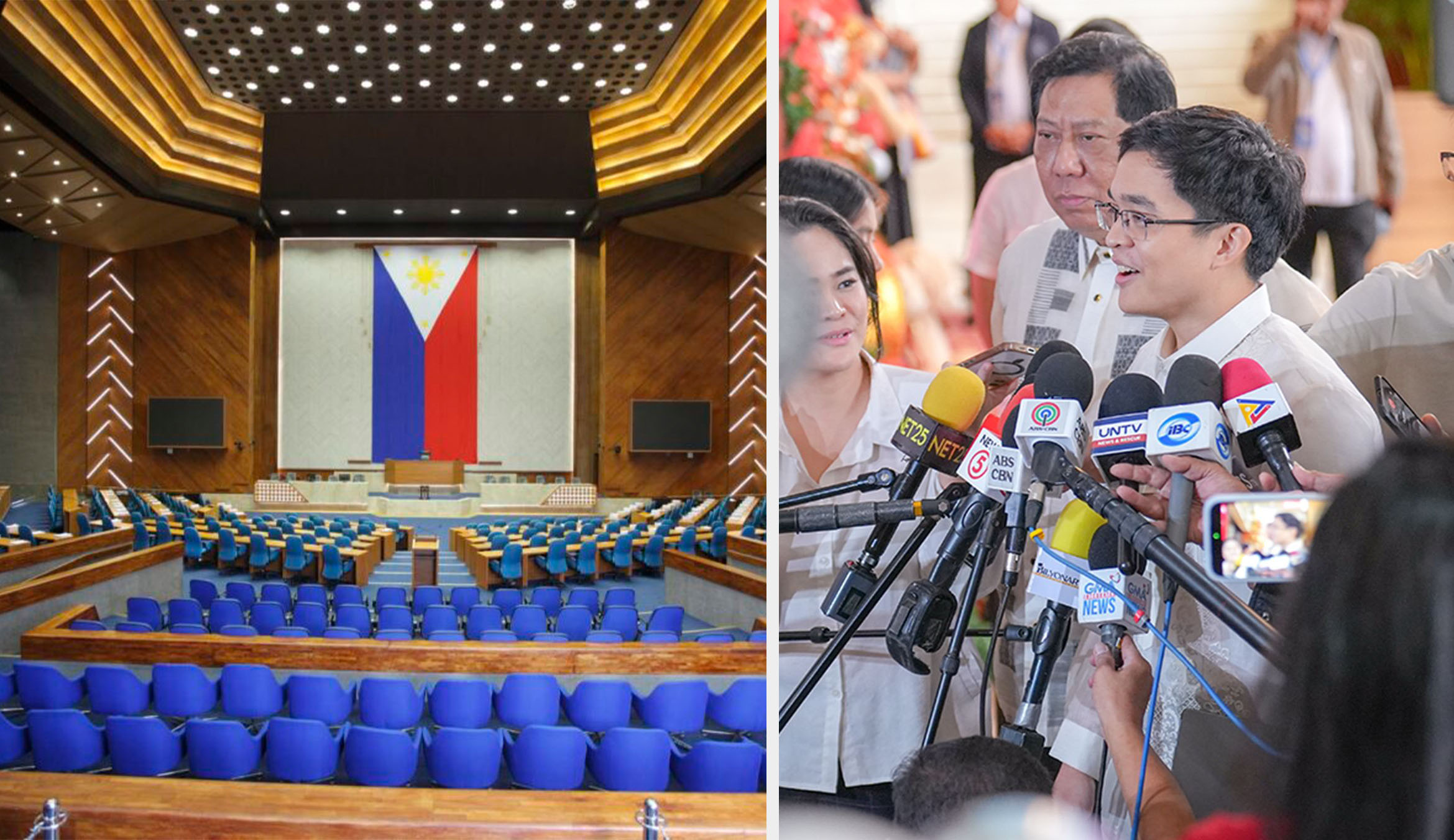
MANILA, Philippines — Several members of the House of Representatives have strongly denied allegations that lawmakers received a ₱2-million Christmas bonus, calling the claim misleading and unsupported by official records, as the issue sparked renewed public scrutiny over government spending and legislative transparency.
The controversy erupted after former lawmaker Larry Gadon Levisté alleged in recent interviews and online posts that sitting members of Congress were given multi-million-peso bonuses during the holiday season. The claim quickly circulated on social media, prompting calls for clarification from the House leadership and concerned citizens.
House members who spoke to reporters rejected the accusation, stressing that no such cash bonus was distributed to lawmakers.
“This is completely untrue,” one House official said, adding that members of Congress only receive their legally mandated salaries and benefits, all of which are covered by existing budget laws and audited by the Commission on Audit (COA).
Another lawmaker explained that while Congress does allocate funds for employee benefits within the legislative branch, these do not include discretionary cash bonuses for lawmakers themselves.
“There is a clear distinction between staff benefits and compensation for elected officials,” the lawmaker said. “To say that individual representatives received ₱2 million as a Christmas bonus is inaccurate.”
According to House officials, the salary of a member of Congress is fixed under the Salary Standardization Law. Any additional allowances or benefits are itemized, transparent, and subject to audit.
Legislative insiders clarified that year-end bonuses and cash incentives typically apply to rank-and-file government employees, not elected officials. These benefits are granted based on civil service rules and performance guidelines, and are not exclusive to Congress.
“Lawmakers do not decide their own bonuses,” a senior House source noted. “All compensation is governed by law, not personal discretion.”
Several representatives expressed concern over how quickly unverified claims spread online, warning that misinformation undermines public trust in democratic institutions.
“Criticism of government is healthy and necessary in a democracy,” one lawmaker said. “But it must be based on facts. False claims only distract from real issues that need attention.”
House officials urged the public to rely on official statements, audited financial documents, and credible news sources when evaluating claims about government finances.
The House leadership reiterated that all congressional expenditures undergo strict review by the Commission on Audit. Any irregular or unauthorized disbursement, officials said, would immediately be flagged by auditors.
“If such a bonus existed, it would appear in COA reports,” a House spokesperson said. “To date, there is no record supporting this allegation.”
Transparency advocates echoed this point, noting that COA reports are publicly accessible and serve as a safeguard against misuse of public funds.
The alleged bonus claim triggered mixed reactions online, with some netizens expressing anger over perceived government excess, while others urged caution and verification.
Political analysts said such controversies often gain traction during periods of economic strain, when public sensitivity to government spending is heightened.
“People are struggling with rising prices and stagnant wages,” one analyst said. “Any suggestion of lavish benefits for officials naturally sparks outrage, whether true or not.”
Media experts emphasized the role of responsible journalism in preventing the spread of misinformation. They urged content creators and political figures alike to verify claims before making public accusations.
“In the digital age, allegations can go viral within minutes,” a media analyst said. “That makes accuracy more important than ever.”
Lawmakers also encouraged citizens to engage in constructive dialogue and policy discussions rather than focusing on sensational claims.
In response to the controversy, the House leadership reaffirmed its commitment to transparency and accountability, stating that it remains open to public scrutiny and independent audits.
“The House of Representatives operates within the bounds of the law,” officials said in a statement. “We welcome oversight and encourage the public to examine official records.”
As the debate continues, lawmakers called on the public to remain vigilant but discerning, distinguishing between verified information and unfounded claims.
“This issue should remind us all of the importance of truth,” a lawmaker said. “Public discourse must be grounded in facts, not speculation.”
With the House standing firm in its denial, attention now turns to official records and audit reports, which lawmakers say clearly show that no ₱2-million Christmas bonus was ever distributed to members of Congress.


 Facebook
 Twitter