
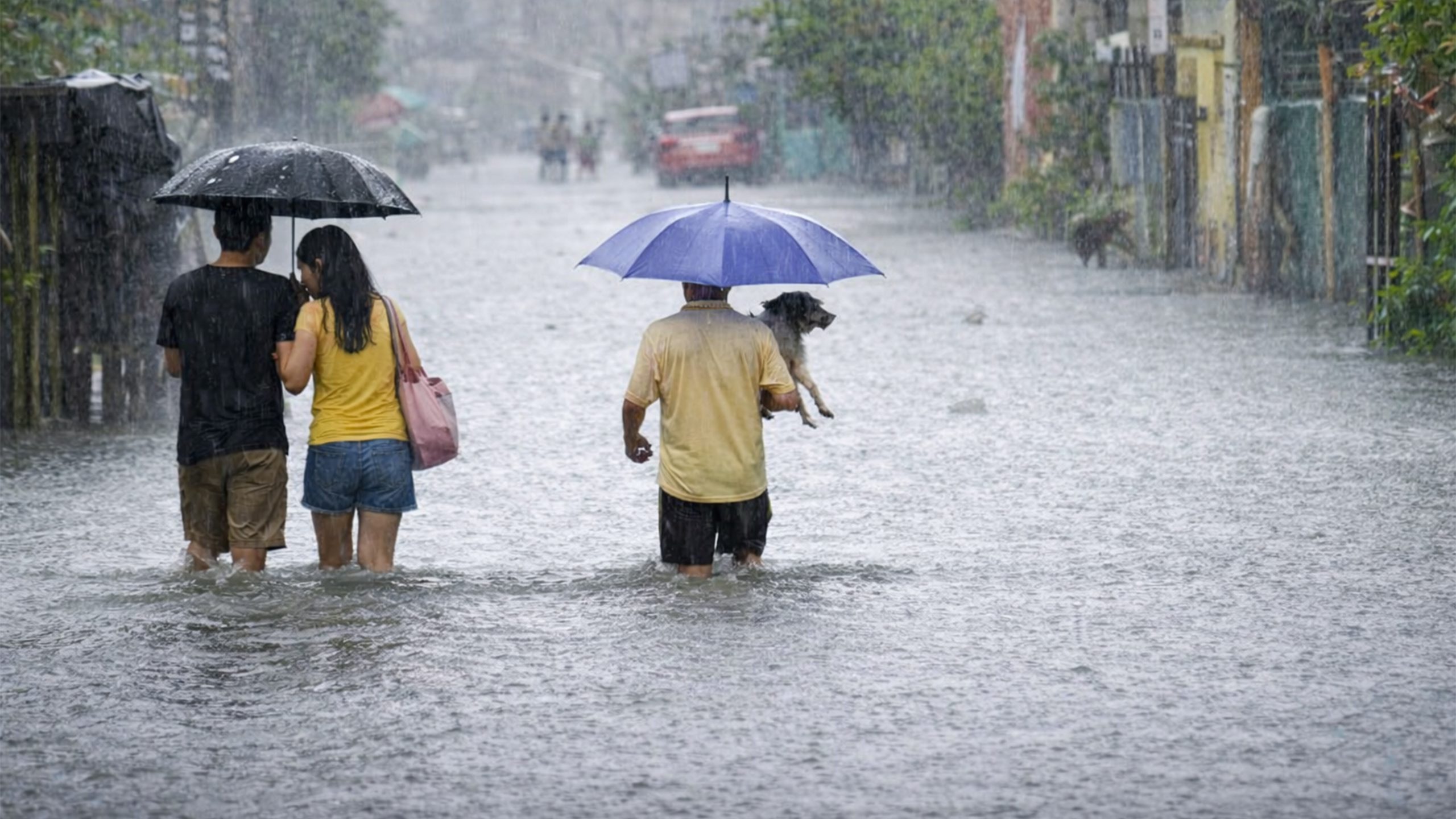
Weak La Niña Philippines 2026 is expected to persist until the first quarter of the year, bringing continued rainfall and weather disturbances across parts of Mindanao and other regions, according to officials from the Philippine Atmospheric, Geophysical and Astronomical Services Administration (PAGASA) in Davao.
A weak La Niña phenomenon is expected to persist until the first quarter of 2026, bringing continued rainfall and weather disturbances across parts of Mindanao and other regions, according to officials from the Philippine Atmospheric, Geophysical and Astronomical Services Administration (PAGASA) in Davao. Weather experts say the lingering climate pattern could affect agriculture, infrastructure, and disaster preparedness efforts in the months ahead.
PAGASA-Davao explained that La Niña, characterized by cooler-than-normal sea surface temperatures in the central and eastern Pacific Ocean, continues to influence local weather systems. While classified as “weak,” the phenomenon is still capable of enhancing rainfall, particularly during the northeast monsoon or amihan season.
Increased Rainfall Still Possible
Weather specialists noted that areas in eastern Mindanao, including Davao Region, Caraga, and parts of Eastern Visayas, may experience above-normal rainfall, especially during periods when weather systems such as shear lines, low-pressure areas, or troughs of storms interact with La Niña conditions.
“Even a weak La Niña can intensify rain events when combined with other weather systems,” PAGASA-Davao officials said, stressing that localized flooding and landslides remain possible in flood-prone and mountainous areas.
Local government units were advised to remain vigilant, particularly during heavy downpours that could occur with little warning. Residents living near rivers, coastal zones, and slopes were also urged to stay alert and follow advisories issued by authorities.
Impact on Agriculture and Daily Life
The prolonged La Niña may bring mixed effects on agriculture. While increased rainfall can benefit water supply for crops and dams, excessive moisture could damage harvests, delay planting schedules, and raise the risk of plant diseases.
Farmers were encouraged to coordinate closely with local agriculture offices to adjust cropping calendars and implement preventive measures against possible losses. Fisherfolk, meanwhile, were warned that rough seas may still occur intermittently, particularly along eastern seaboards.
Disaster Preparedness Urged
PAGASA emphasized the importance of early preparedness, especially as climate patterns become increasingly unpredictable. Disaster risk reduction offices were advised to review contingency plans, pre-position relief goods, and strengthen community awareness campaigns.
“Preparedness is key, even if La Niña is weak,” officials said, adding that weather impacts can vary from one area to another.
Monitoring Continues
PAGASA said it will continue to closely monitor oceanic and atmospheric conditions and release regular updates should significant changes occur. The public was reminded to rely on official weather bulletins and avoid misinformation, particularly during severe weather events.
As the country enters another year influenced by shifting climate patterns, authorities underscored the need for cooperation between government agencies, communities, and individuals to reduce risks and stay safe amid evolving weather conditions.


 Facebook
 Twitter