
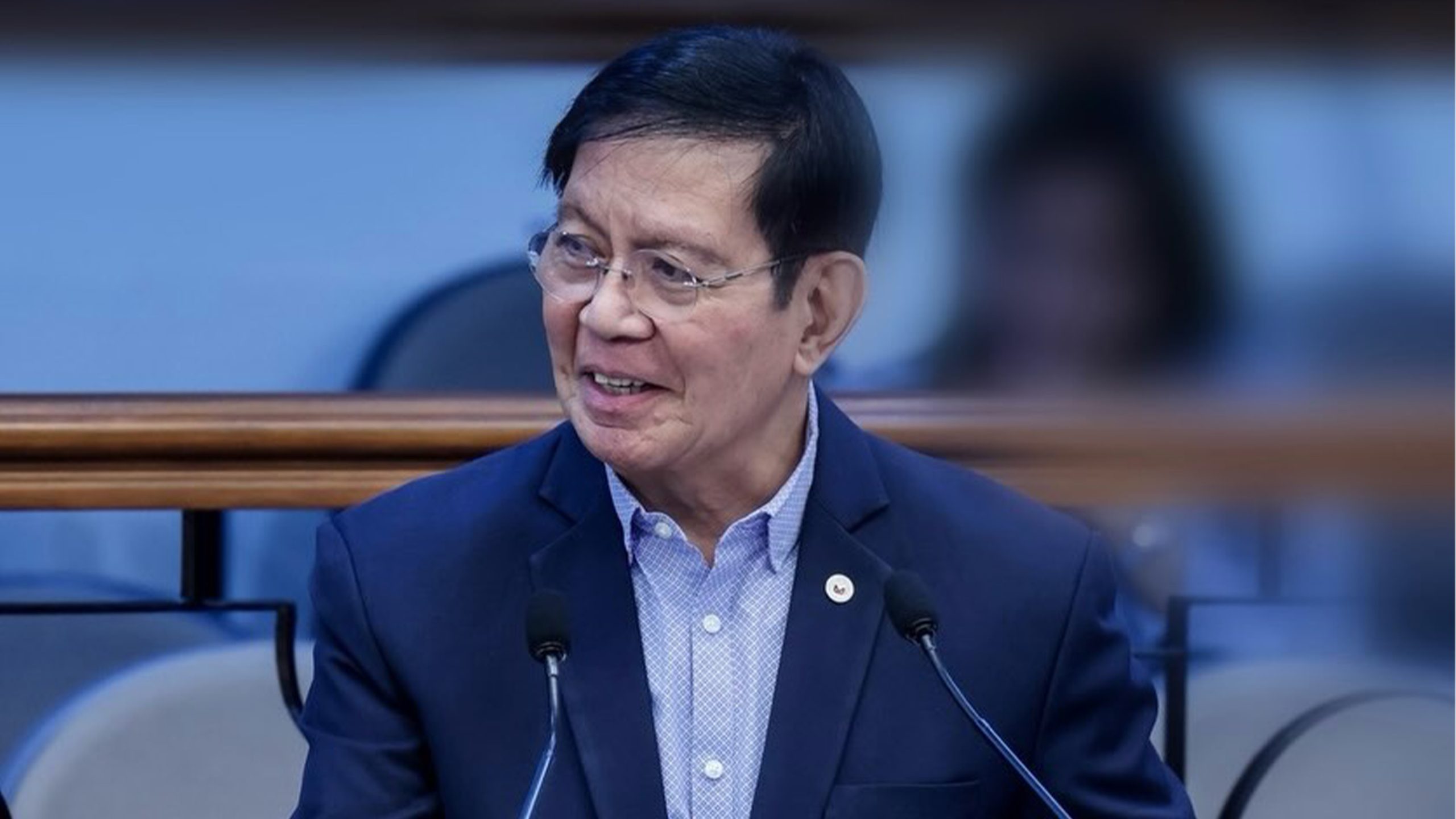
The Ping Lacson Imee Marcos Senate exchange became a trending topic after Lacson publicly denied rumors about his sexuality during a Senate discussion.
MANILA — Senate President Pro Tempore Panfilo “Ping” Lacson addressed circulating remarks about his appearance and sexuality, firmly denying claims that he wears a wig or enhancements and reiterating that he is straight, following comments made by Senator Imee Marcos during a recent public forum at the Senate.
Lacson’s response came amid renewed online discussion after snippets of the exchange spread on social media, drawing mixed reactions from netizens and public figures alike. The veteran lawmaker used the opportunity to clarify what he described as misconceptions, stressing that he sees no need to alter his appearance or explain himself beyond setting the record straight.
Speaking before members of the media, Lacson said his hair is natural and that he has not undergone cosmetic procedures. He added that there is nothing artificial about his face or teeth, dismissing insinuations that he relies on enhancements to maintain a youthful look. According to Lacson, such rumors are unnecessary distractions from the more pressing issues that lawmakers should be addressing.
The senator also responded directly to speculation about his sexuality, saying he is not gay. While emphasizing that he respects all members of the LGBTQ+ community, Lacson said assumptions about a person’s gender identity or sexual orientation should not be used as a point of ridicule or political banter.
“If people are curious, I am straight,” Lacson said, while adding that sexual orientation should never be weaponized in public discourse. He stressed that masculinity and competence are not defined by stereotypes, and that public service should be judged by integrity and performance rather than personal traits.
The exchange with Marcos reportedly began as a light remark but quickly gained traction online, prompting supporters and critics to weigh in. Some netizens criticized the discussion as irrelevant, while others pointed out the need for more sensitivity when discussing personal matters, especially in a political setting.
Lacson, a former Philippine National Police chief and long-time senator, is known for his blunt responses and no-nonsense stance on issues involving governance, corruption, and discipline in public service. Observers note that his reaction reflects a broader call for politicians to elevate the level of discourse and avoid personal insinuations that do little to contribute to policymaking.
Political analysts say the incident highlights how quickly casual remarks can escalate in the age of social media, where short clips and graphics can strip statements of context and fuel controversy. They also noted that public officials are increasingly pressured to respond to viral narratives, even when these narratives stem from personal rather than policy-related issues.
Despite the attention, Lacson maintained that he remains focused on his legislative duties. He said he hopes the public conversation can shift back to meaningful debates on national concerns, including economic recovery, public safety, and institutional reforms.
As the discussion continues online, the senator’s remarks have sparked renewed conversations about respect, boundaries, and the role of personal identity in politics—issues that resonate beyond the Senate halls and into the broader public sphere.


 Facebook
 Twitter