
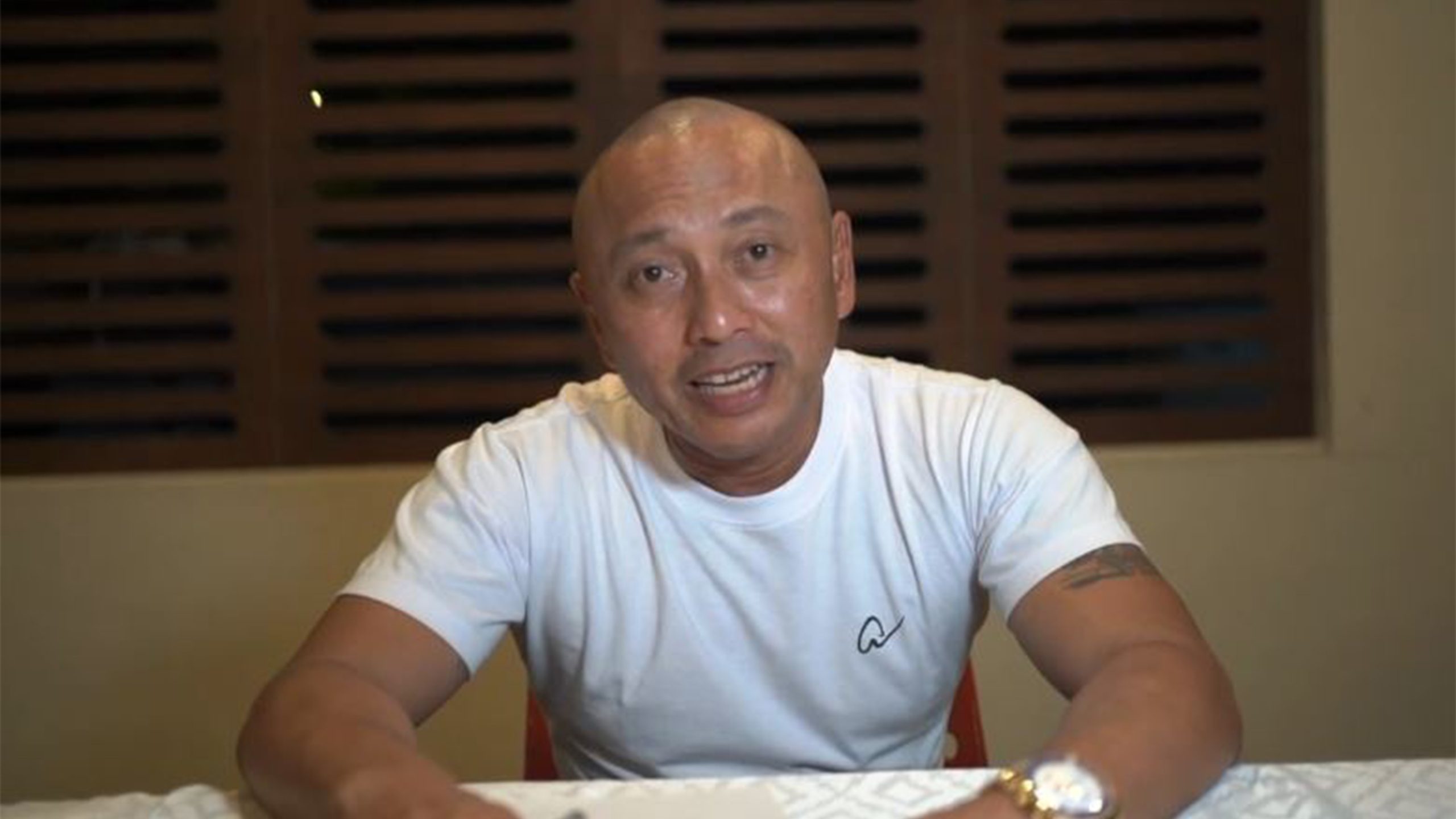
Arnie Teves acquittal has drawn widespread attention after a Manila court cleared the former Negros Oriental lawmaker of murder charges stemming from a 2019 killing.
A Manila court has acquitted former Negros Oriental congressman Arnolfo “Arnie” Teves Jr. of murder charges stemming from the 2019 killing of provincial official Miguel Lopez Dungo, a ruling that has drawn widespread public attention and reignited debate over the country’s justice system and high-profile criminal cases.
In its decision, the Manila Regional Trial Court ruled that the prosecution failed to establish Teves’ guilt beyond reasonable doubt, citing gaps in evidence and inconsistencies in testimonies presented during the trial. The court stressed that while the crime itself was serious and tragic, criminal liability must be proven with moral certainty, as required under Philippine law.
The case stemmed from the shooting death of Dungo, a former provincial board member of Negros Oriental’s 3rd District, who was killed in 2019. Prosecutors earlier alleged that Teves was involved in orchestrating the attack, linking him to the crime through witness statements and circumstantial evidence. Teves, however, has consistently denied any involvement, maintaining that the accusations were politically motivated and unsupported by credible proof.
In its ruling, the court noted that key prosecution witnesses failed to convincingly establish a direct link between Teves and the actual perpetrators. It also pointed out that some testimonies relied heavily on hearsay, while other pieces of evidence lacked corroboration. The judge emphasized that suspicion, no matter how strong, cannot substitute for proof required to convict an accused of a capital offense.
The acquittal comes amid heightened public scrutiny of violence and political rivalries in Negros Oriental, a province that has long been under the national spotlight due to a series of high-profile killings. Analysts say the ruling underscores the challenges prosecutors face in building airtight cases, especially when crimes involve alleged masterminds rather than direct perpetrators.
Families of victims and human rights advocates expressed disappointment over the decision, calling for continued efforts to ensure accountability and justice. They stressed that acquittals, while part of due process, should not deter authorities from pursuing other leads or strengthening future investigations. Legal experts, however, noted that the court’s ruling reflects the fundamental principle that an accused is presumed innocent unless proven otherwise.
Supporters of Teves welcomed the court’s decision, saying it vindicated his long-standing claim of innocence. They argued that the ruling demonstrates the importance of upholding the rule of law and protecting individuals from convictions based on weak or speculative evidence. Teves’ camp has yet to issue a detailed statement following the decision, but allies said he remains focused on clearing his name completely.
The Department of Justice has not ruled out the possibility of appealing the decision or pursuing other legal remedies, depending on the full review of the court’s ruling. Prosecutors said they would carefully study the judgment to determine the next steps, including whether other individuals implicated in the case could still be held liable.
As reactions continue to pour in, the acquittal of Arnolfo “Arnie” Teves Jr. highlights the complexities of prosecuting politically sensitive cases in the Philippines. For many observers, the outcome serves as a reminder of the high evidentiary standards required in criminal trials and the continuing challenge of delivering justice in cases involving powerful figures.


 Facebook
 Twitter