
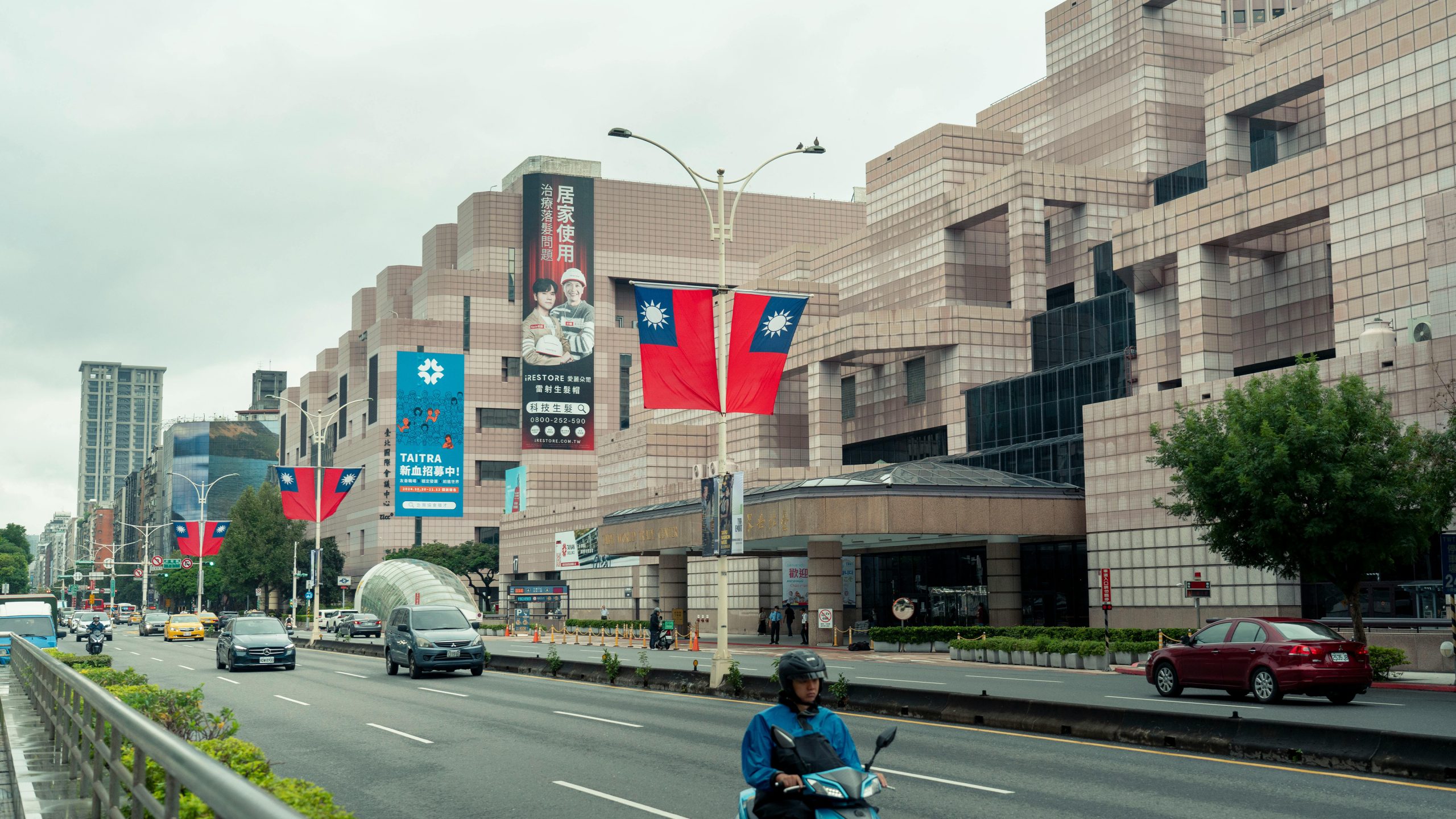
Taiwanese journalist detained by authorities has sparked national security concerns after allegations emerged that military officers were bribed to leak sensitive information to China.
A Taiwanese journalist has been detained by authorities over allegations of bribing military officers to obtain and pass on sensitive information to China, a case that has heightened tensions over national security as Taiwan intensifies efforts to counter suspected infiltration from Beijing.
Authorities in Taiwan confirmed that the journalist was taken into custody on Saturday as part of an ongoing investigation into alleged violations of national security and anti-corruption laws. Prosecutors said the suspect is accused of offering bribes to active-duty military personnel in exchange for confidential information related to defense matters, which was allegedly intended for individuals linked to mainland China.
According to officials familiar with the case, investigators believe the journalist exploited professional access and contacts to approach military officers and solicit information that could compromise Taiwan’s security. While details of the information involved have not been fully disclosed due to the sensitivity of the investigation, authorities said the alleged actions posed a serious risk to national defense and public safety.
Taiwanese prosecutors emphasized that the detention is part of a broader crackdown on espionage, influence operations, and information leaks, particularly those believed to be connected to China. In recent years, Taiwan has strengthened laws and enforcement measures aimed at preventing the unauthorized transfer of military and government intelligence amid growing cross-strait tensions.
Government officials reiterated that freedom of the press remains protected in Taiwan, but stressed that journalists, like all citizens, are subject to the law. “Press freedom does not extend to illegal activities that endanger national security,” an official said, adding that the case should not be interpreted as an attack on independent journalism.
The military, for its part, said it is cooperating fully with prosecutors and has launched an internal review to determine whether any service members violated regulations. Officials said personnel found guilty of accepting bribes or leaking classified information would face severe penalties under military and civilian law.
The case has sparked public debate in Taiwan, with media organizations calling for transparency while also urging authorities to safeguard press freedom. Some commentators noted that the incident underscores the need for clear ethical boundaries in journalism, especially when reporting intersects with national security and defense institutions.
China has long claimed Taiwan as part of its territory, a position rejected by Taipei, and the self-governed island has accused Beijing of ramping up political, military, and economic pressure. Analysts say espionage and information warfare have become key fronts in the cross-strait dispute, making cases like this particularly sensitive.
Legal experts said the investigation could take months as prosecutors gather evidence, question witnesses, and determine whether formal charges will be filed. If convicted, the journalist could face significant prison time under Taiwan’s national security and anti-corruption statutes.
As the probe continues, authorities urged the public to avoid speculation and allow the legal process to run its course. The case serves as a stark reminder of the challenges Taiwan faces in balancing democratic freedoms with the need to protect state security in an increasingly volatile regional environment.


 Facebook
 Twitter