
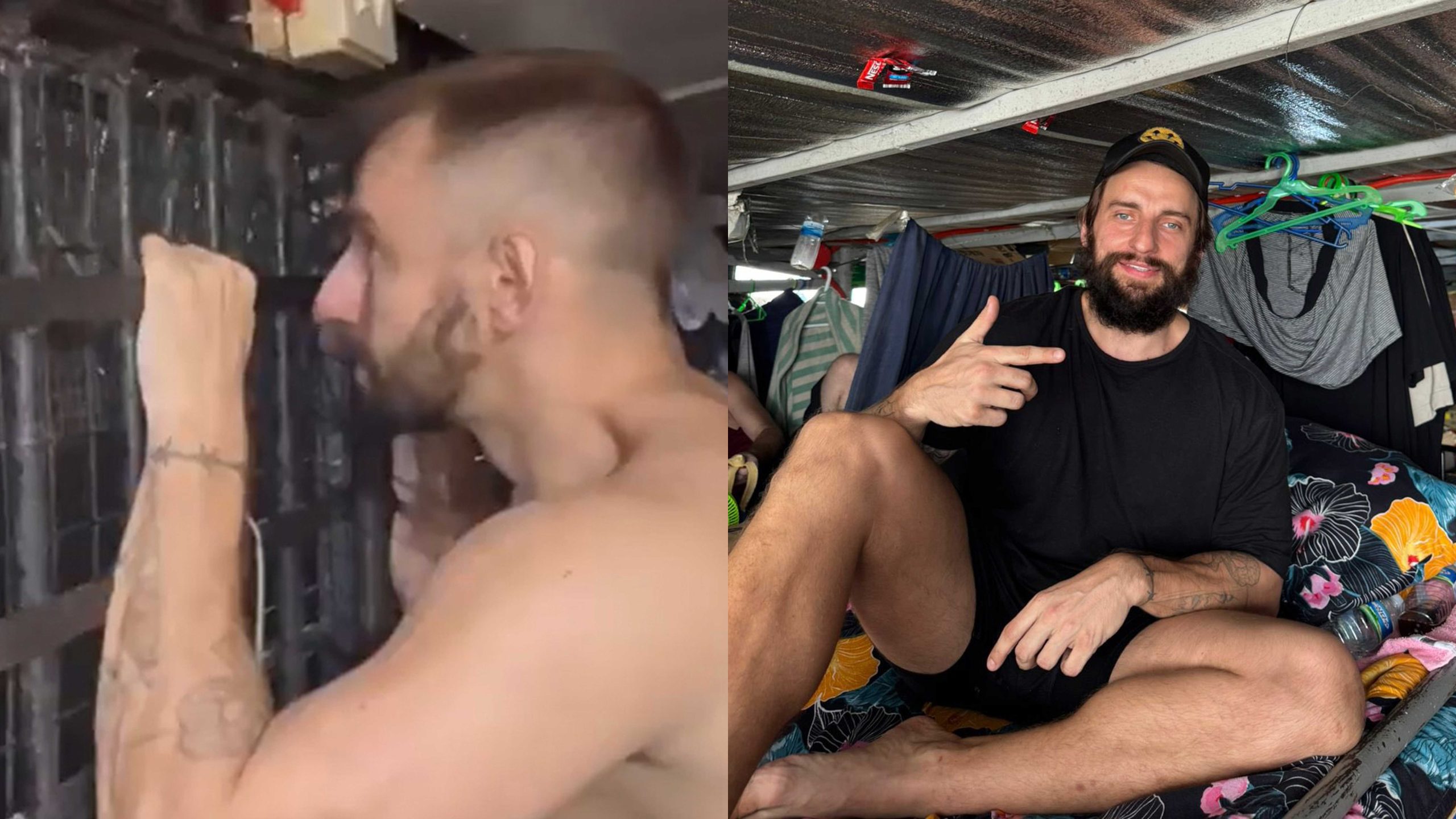
Vitaly Zdorovetskiy Philippine jail controversy dominated headlines in 2025 after the controversial YouTuber and Kick streamer was arrested in Metro Manila, detained for months, and later deported amid allegations of corruption inside the country’s detention facilities.
Zdorovetskiy, who rose to online fame through his VitalyzdTv YouTube channel with more than 10 million subscribers, built a career on boundary-pushing stunts filmed in public spaces around the world. While his content attracted millions of views, it also earned him repeated run-ons with the law. Before his arrest in the Philippines, he had faced various legal consequences abroad, including brief detentions and criminal charges linked to his pranks.
His troubles escalated in April 2025 when Philippine authorities arrested him for a series of incidents in Bonifacio Global City and other areas in Metro Manila. According to officials, Zdorovetskiy was charged with multiple offenses, including harassment in public places, trespassing, and other disruptive acts. Reports also cited allegations that he threatened civilians, entered restricted areas, and interfered with law enforcement operations.
Both local and international authorities took the case seriously, with Philippine officials publicly stating their intent to enforce the law regardless of the accused’s online fame. Zdorovetskiy was detained while his case was processed, facing the possibility of a lengthy prison sentence. Although he ultimately avoided the maximum penalty, he spent close to 10 months in detention before being deported.
Following his release and return overseas, Zdorovetskiy broke his silence and began speaking publicly about his experience in a Philippine jail. In online interviews and livestreams, he described harsh conditions, citing overcrowding, extreme heat, and unsanitary surroundings. He also claimed that corruption was widespread inside the facility, alleging that detainees with money could receive special treatment.
In a conversation with fellow streamer Adin Ross, Zdorovetskiy claimed he had access to a mobile phone during his incarceration, which he said allowed him to document his daily life behind bars. He alleged that bribes were routinely exchanged between inmates and guards, adding that money could influence privileges that are normally prohibited under jail regulations.
Despite the ordeal, Zdorovetskiy insisted he did not regret his time in detention. He described the experience as transformative, saying he spent months reading books and reflecting on his life and career. He also defended his actions in the Philippines, portraying his visit as part of a broader global tour aimed at creating content and helping others, though these claims have drawn skepticism online.
Some of Zdorovetskiy’s statements have prompted official scrutiny. Philippine authorities confirmed that several personnel linked to immigration and detention services were dismissed amid an internal investigation into alleged preferential treatment. Government officials clarified that videos and photos circulating online were believed to have been taken early in his detention, raising questions about how prohibited items may have entered the facility.
The Bureau of Immigration and the Bureau of Jail Management and Penology have stated that investigations remain ongoing. Officials emphasized that Zdorovetskiy has been permanently blacklisted from reentering the Philippines, reaffirming the government’s stance on enforcing immigration and criminal laws.
As Zdorovetskiy continues to share his version of events abroad, the case has reignited debate over influencer accountability, the limits of online content creation, and the integrity of correctional systems. For Philippine authorities, the incident serves as a reminder that fame does not exempt anyone from the law—and that allegations of corruption must be addressed with transparency and due process.


 Facebook
 Twitter