
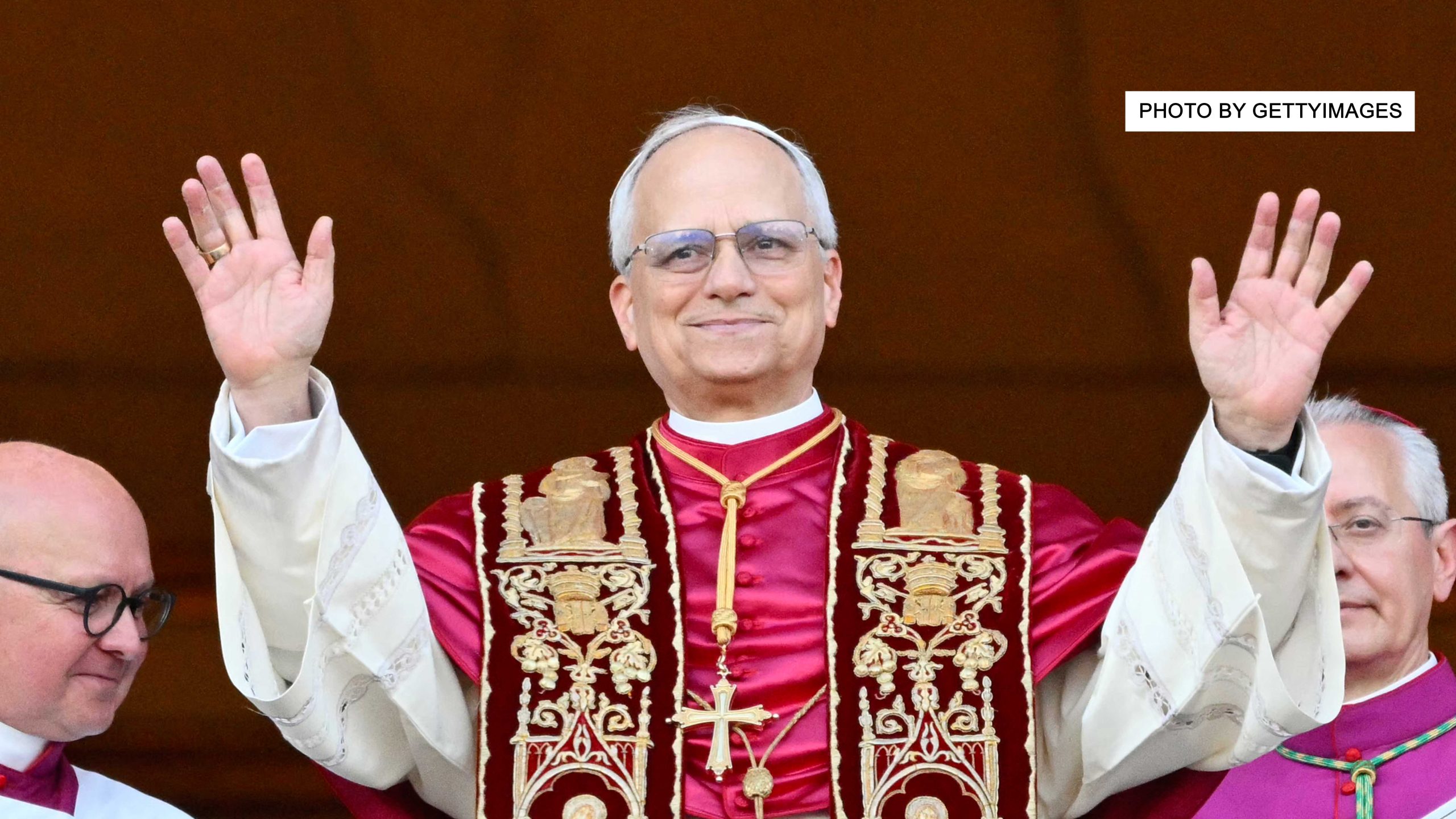
Pope Leo XIV AI warning took center stage as the pontiff cautioned against the growing influence of generative artificial intelligence, warning that unchecked technologies could erode human identity and distort truth.
In a message released for the World Day of Social Communications, the pontiff underscored the ethical and social risks posed by AI systems that can generate human-like text, images, music, and videos. According to Pope Leo XIV, these technologies—while powerful—carry the potential to manipulate perceptions, reinforce bias, and weaken authentic human connections.
“The challenge before us is not merely technological,” the pope said. “It is a matter of protecting human identity, dignity, and authentic relationships in an age where machines can imitate human expression.”
AI Reflects Human Bias, Pope Says
Pope Leo XIV explained that artificial intelligence is never neutral, as it reflects the values, assumptions, and worldviews of those who design and train it. AI systems, he noted, rely on vast amounts of data that may contain hidden biases, which can then be reproduced and amplified at scale.
“These systems shape how people think and communicate,” he said, adding that algorithms can subtly influence public opinion by privileging certain narratives over others. This, he warned, risks deepening social polarization and misunderstanding in already divided societies.
The pope’s remarks come as generative AI tools continue to evolve at a rapid pace, producing outputs that are often indistinguishable from human-created content. While such innovations offer efficiency and creativity, Pope Leo XIV cautioned that they also increase the difficulty of separating reality from simulation.
From Viral Images to Political Messaging
The pontiff referenced recent global examples illustrating the dangers of AI-generated media. In 2023, his predecessor, Pope Francis, became the subject of a viral fake image depicting him in a white puffer jacket—an image later revealed to be AI-generated but widely believed at first glance.
Since then, generative AI has increasingly been used by public figures and political actors. Pope Leo XIV pointed out that computer-generated images and content have appeared on social media platforms, sometimes shared by influential leaders, raising concerns about misinformation and public trust.
“Even few companies now hold immense power over how artificial intelligence is developed and deployed,” the pope said, warning that such concentration of influence could have far-reaching consequences for democracy and social cohesion.
Call for Governance and Education.
Since his election last May as the first pope from the United States, Pope Leo XIV has made ethical technology a recurring theme of his pontificate. He has repeatedly emphasized the need for strong governance frameworks to ensure that AI development serves the common good rather than narrow interests.
He also criticized systems that present statistical probability as reliable knowledge, arguing that such tools provide only approximations—not truth itself.
“Human wisdom cannot be replaced by algorithms,” he said.
The pope stressed the importance of educating young people about how digital platforms and algorithms shape perceptions of reality. Media literacy, he added, is essential in helping future generations navigate an information landscape increasingly dominated by automated systems.
Warning on Military Use of AI
Last month, Pope Leo XIV also condemned the accelerating use of artificial intelligence in military applications. He warned against delegating life-and-death decisions to machines, calling such practices a dangerous abdication of moral responsibility.
“Technology must remain at the service of humanity,” the pope said. “It must never replace human conscience.”
As AI continues to transform societies worldwide, Pope Leo XIV’s message serves as a call for vigilance, ethical reflection, and renewed commitment to safeguarding human dignity in the digital age.


 Facebook
 Twitter