
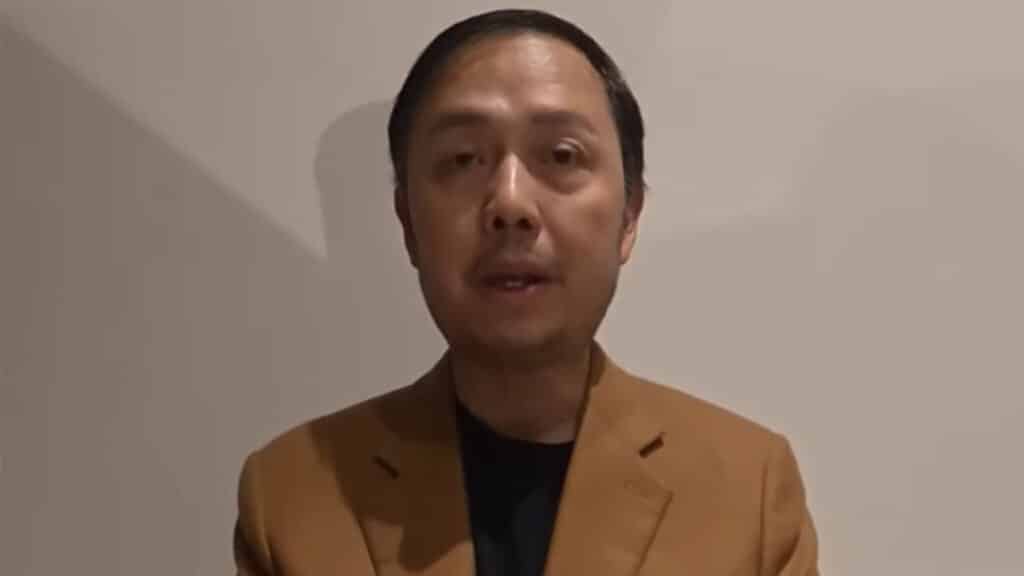
Marcos impeachment proceedings drew renewed attention after House leaders said fugitive former lawmaker Elizaldy “Zaldy” Co may testify only if he personally returns to the Philippines and appears before Congress.
The possible testimony of fugitive former lawmaker Elizaldy “Zaldy” Co in the impeachment complaint against President Ferdinand R. Marcos Jr. has drawn renewed attention, as House leaders clarified that his participation would only be allowed if he personally returns to the Philippines and complies with congressional procedures. The development adds another layer to the ongoing impeachment process, which continues to unfold amid heightened political scrutiny.
House Justice Committee chairperson Rep. Gerville Luistro said the former Ako Bicol party-list representative may be allowed to testify, provided he is physically present in the country and willing to take an oath before the committee. According to Luistro, congressional rules require witnesses to personally appear during proceedings, particularly in cases of national importance such as an impeachment inquiry.
Co has been linked to issues raised in the impeachment complaint filed against the President, though lawmakers have stressed that the process remains evidence-based and guided by constitutional requirements. The impeachment complaint, which is currently undergoing review at the House of Representatives, alleges various acts that complainants say warrant further examination. Malacañang has repeatedly denied the allegations, maintaining that the President has committed no impeachable offense.
Lawmakers emphasized that while any individual with relevant information may be invited to testify, the committee cannot accommodate remote or conditional appearances. Luistro noted that allowing testimony without physical presence could undermine due process and the integrity of the proceedings. She added that Congress must ensure that all testimonies are given under oath and subject to questioning by committee members.
Co, who has remained outside the Philippines, has previously been tagged in separate legal and political controversies. His possible involvement in the impeachment proceedings has sparked debate among lawmakers and legal experts, with some questioning the value of testimony from individuals facing unresolved legal issues. Others argue that any testimony, if properly presented and verified, could help clarify matters raised in the complaint.
The House Justice Committee is currently tasked with determining whether the impeachment complaint has sufficient grounds to proceed to the next stage. This includes assessing whether the allegations are backed by evidence and whether they meet the constitutional standards for impeachment. Committee members have said the process is still in its preliminary phase and that no conclusions have been reached.
Political analysts note that impeachment proceedings are inherently sensitive and often shaped by both legal standards and political dynamics. While the possible testimony of Co has attracted public attention, analysts say the outcome of the process will ultimately depend on the strength of the evidence presented and the deliberations of lawmakers.
For now, House leaders reiterated that the rules governing impeachment are clear and must be followed strictly. Any potential witness, including Co, would need to submit to the authority of Congress by appearing in person. As the review continues, lawmakers stressed that the proceedings are not meant to target individuals but to uphold accountability under the Constitution.
The impeachment complaint against President Marcos remains under evaluation, with the House Justice Committee expected to continue hearings in the coming weeks as it determines the next steps in the process.


 Facebook
 Twitter