
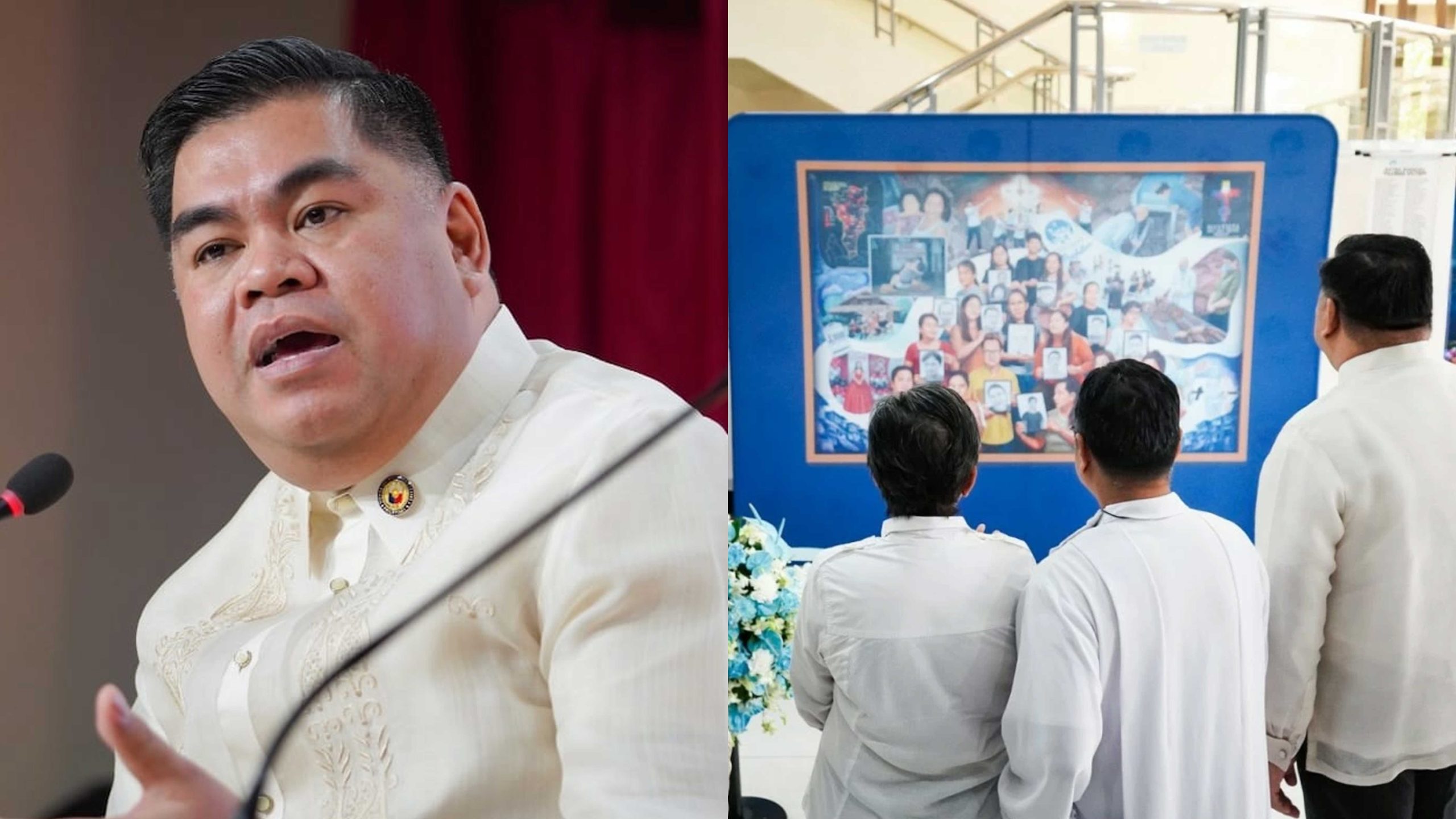
Jude Acidre EJK Museum serves as more than a reminder of the country’s painful past, as Tingog Party-list Representative Jude Acidre said the initiative aims to educate Filipinos and draw lessons from the dark period of extrajudicial killings, encouraging reflection to prevent similar violence in the future.
Acidre said the ELK Museum, recently set up at the House of Representatives, is not meant to sensationalize the dark chapters of the country’s history but to educate the public and encourage meaningful reflection on the consequences of extrajudicial killings during the previous administration.
In an interview, the lawmaker emphasized that the museum serves a broader purpose than simply showcasing painful memories. Instead, it offers Filipinos an opportunity to confront difficult truths and extract valuable lessons that society must never forget.
“The ELK Museum does not simply remind us of horror,” Acidre said. “It also reminds us of responsibility, accountability, and the lessons that the Filipino people must learn.”
According to Acidre, the museum was created to foster awareness and understanding, especially among younger generations who may not have fully grasped the human cost of the war on drugs. He noted that while the exhibits may be emotionally challenging, they are necessary to ensure that the experiences of victims and their families are not erased from national memory.
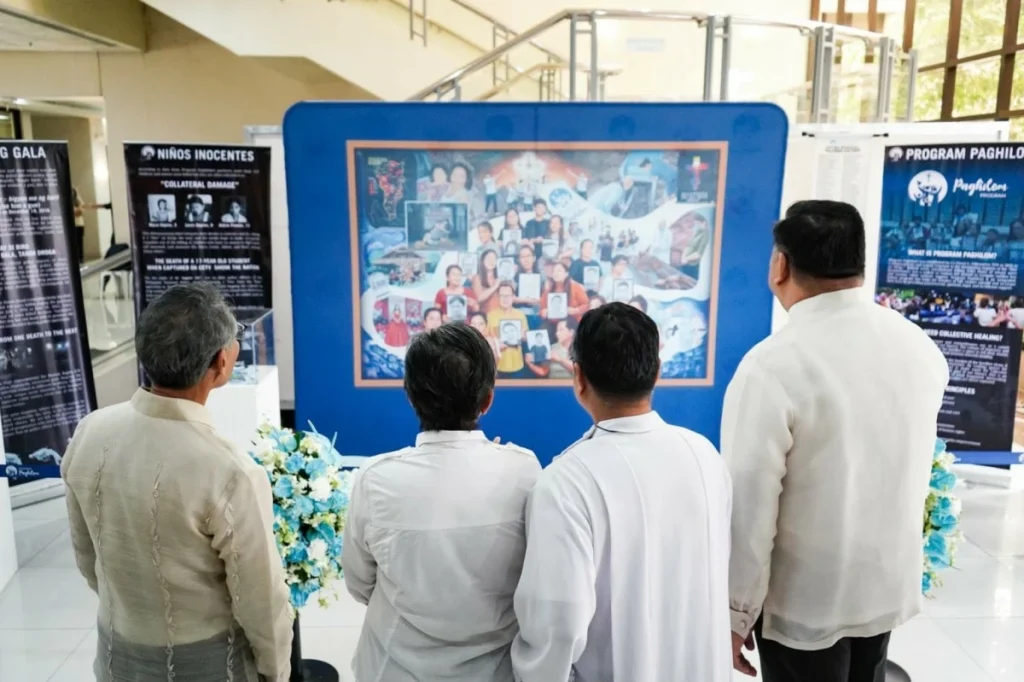
The lawmaker explained that confronting the realities presented in the museum requires courage, as it brings visitors face to face with stories of loss, injustice, and unanswered questions. However, he believes this discomfort is essential for healing and learning.
“The experience is not easy,” Acidre said. “But learning is never easy when it involves painful truths. Facing them is part of our collective healing.”
Acidre also highlighted the significance of the Whilom Mobile Museum, which complements the ELK Museum by bringing the narratives of victims closer to the public. He described the mobile exhibit as a bridge that allows people from different sectors to understand the depth of the tragedy experienced by families affected by extrajudicial killings.
The term whilom, which means healing, reflects the museum’s goal of acknowledging pain while creating space for dialog and reflection. Acidre said the initiative underscores the importance of empathy and understanding in rebuilding trust within society.
The Tango Party-list representative stressed that the museum is not about blaming or reopening wounds for the sake of controversy. Instead, it is about learning from history to ensure that similar abuses do not happen again.
He pointed out that forgetting the past increases the risk of repeating it, making educational initiatives like the ELK Museum crucial in shaping a more humane and accountable society.
“This is about remembrance and responsibility,” Acidre said. “If we fail to learn from what happened, we risk allowing the same violence to return in another form.”
Acidre urged the public to view the ELK Museum with an open mind, emphasizing that understanding the exhibits can help strengthen democratic values and respect for human rights. He added that reflection, dialog, and education are key to ensuring that justice and compassion remain central to governance.
As debates continue over how the nation should remember its past, Acidre maintained that museums like this serve as vital tools for collective learning—reminding Filipinos not only of what happened, but of what must never happen again.


 Facebook
 Twitter