
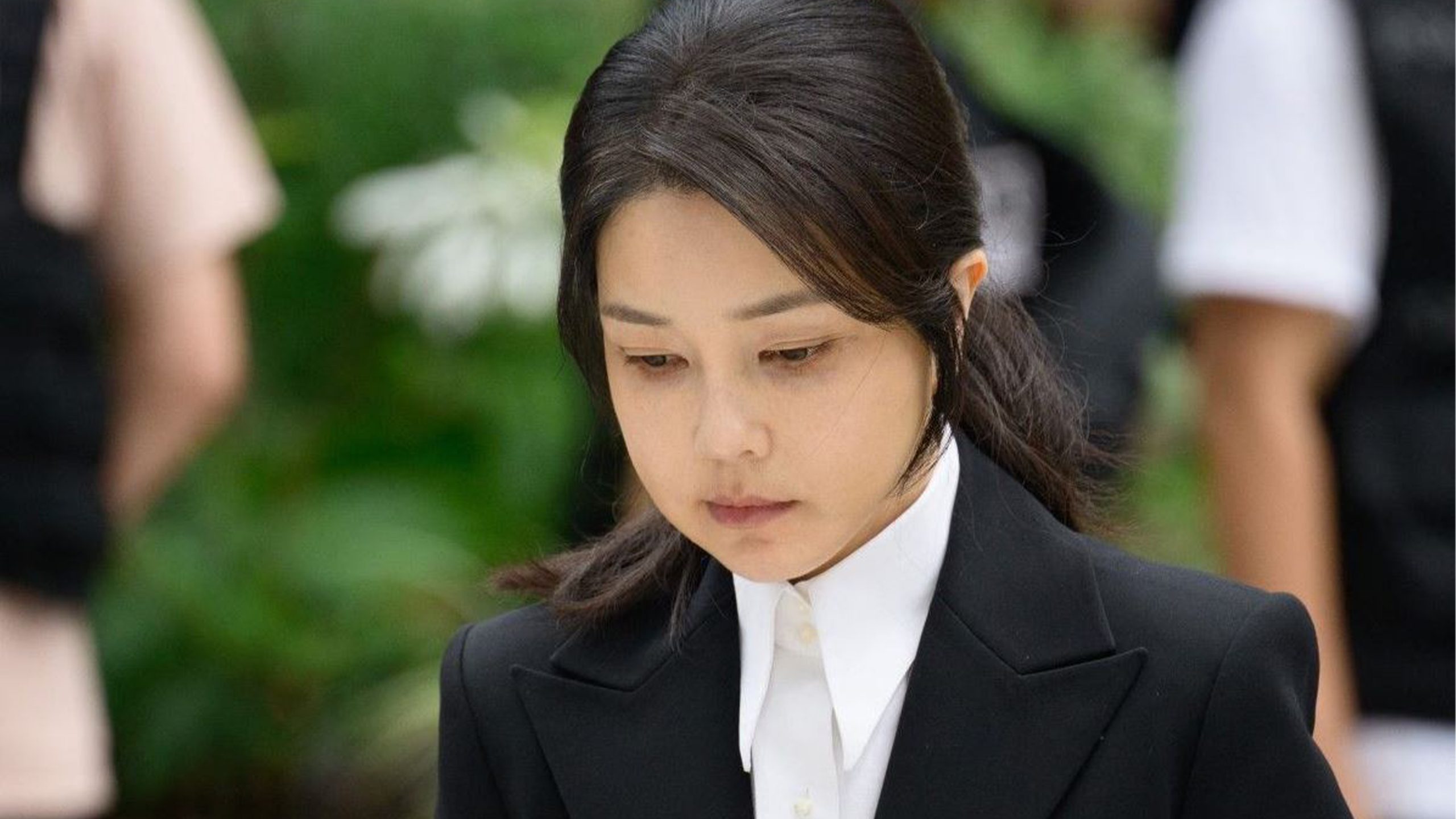
The South Korea former first lady corruption case reached a major turning point after a Seoul court sentenced Kim Keon Hee to 20 months in prison.
South Korea’s former first lady Kim Keon Hee has been sentenced to 20 months in prison after a court found her guilty of corruption, marking another high-profile case that underscores the country’s strict stance on abuses of power involving political elites. The ruling, which has drawn national and international attention, comes amid ongoing public debate over accountability, transparency, and the rule of law in South Korean politics.
The Seoul court handed down the sentence after concluding that Kim, the wife of impeached former president Yoon Suk Yeol, was involved in corrupt practices linked to her influence as first lady. Prosecutors argued that she used her position and connections to gain improper advantages, an accusation that has followed her throughout Yoon’s presidency and even before his election. While the court imposed a prison term, Kim was acquitted of other allegations, including stock manipulation and several related charges, citing insufficient evidence to support those claims.
Kim Keon Hee, 53, has long been a controversial figure in South Korean public life. Even prior to Yoon Suk Yeol’s rise to the presidency, she faced scrutiny over her business dealings, academic credentials, and alleged influence peddling. These issues resurfaced repeatedly during Yoon’s time in office, fueling criticism from opposition parties and civic groups who argued that the administration failed to address ethical concerns surrounding the first lady.
According to the court, the conviction was based on findings that Kim accepted improper benefits and was involved in actions that violated anti-corruption laws. Judges emphasized that public figures connected to the highest levels of government are expected to adhere to stricter ethical standards, noting that violations can undermine public trust in democratic institutions. The court also acknowledged the intense public interest in the case, stressing that the ruling was based solely on the evidence presented.
Kim has denied wrongdoing and is expected to appeal the decision. Her legal team maintains that the prosecution overstated her role and failed to prove criminal intent beyond reasonable doubt. The appeals process could take months, potentially keeping the case in the public eye as South Korea continues to grapple with political polarization and institutional reforms following Yoon Suk Yeol’s impeachment.
The conviction adds to a pattern of South Korean leaders and their close associates facing legal consequences after leaving office. Former presidents, lawmakers, and senior officials have previously been jailed or investigated for corruption, reflecting both the country’s turbulent political history and its increasingly assertive judicial system. Analysts say such cases highlight the strength of South Korea’s legal institutions, while also exposing persistent challenges related to power, influence, and accountability.
As the nation reacts to the sentencing of a former first lady, the case is likely to influence ongoing discussions about political ethics and reform. For many South Koreans, the ruling serves as a reminder that no individual, regardless of status or proximity to power, is above the law.


 Facebook
 Twitter