
About 1,500 day care and elementary school learners at nutritional risk in seven provinces will benefit from a high-zinc rice program under a 90-day feeding initiative backed by DA-PhilRice and Kiwanis International.
About 1,500 day care and elementary school learners at nutritional risk in seven provinces will receive high-zinc rice under a 90-day feeding program backed by an international civic service organization and the Department of Agriculture-Philippine Rice Research Institute (DA-PhilRice).
The program, “Stronger Together: United for Children’s Nutrition, Mental Health, and Education,” led by Kiwanis International-Philippine Luzon District (KI-PLD) will run in Camarines Norte, Sorsogon, Palawan, Laguna, Cavite, Quezon, and Pangasinan.
Results from the 2023 National Nutrition Survey show that two in 10 Filipino children aged five and below are stunted, a condition linked to zinc deficiency, which also results in weakened immunity and impaired brain development.
Under a memorandum of agreement, the partnership will promote the local production of high-zinc rice, integrate it into school and community feeding programs, and support local supply chains with farmer groups. Public awareness activities on the health benefits of zinc-enriched rice are also planned.
Kiwanis will mobilize resources to procure and distribute the nutrient-rich rice, coordinate with local government units, and engage its volunteer network in the implementation.
Meanwhile, PhilRice will provide technical assistance to help ensure supply and quality of high-zinc rice. High-zinc rice, bred through conventional methods, contains higher zinc levels than ordinary rice while maintaining similar taste and texture.
Rice scientists note that one cup or about 150 g of cooked high-zinc rice such as NSIC Rc 460 or Rc 648 can provide up to 25% of the daily zinc requirement of preschool children. These varieties contain 19.6-20.4 mg of zinc per kg, higher than levels in usual rice.
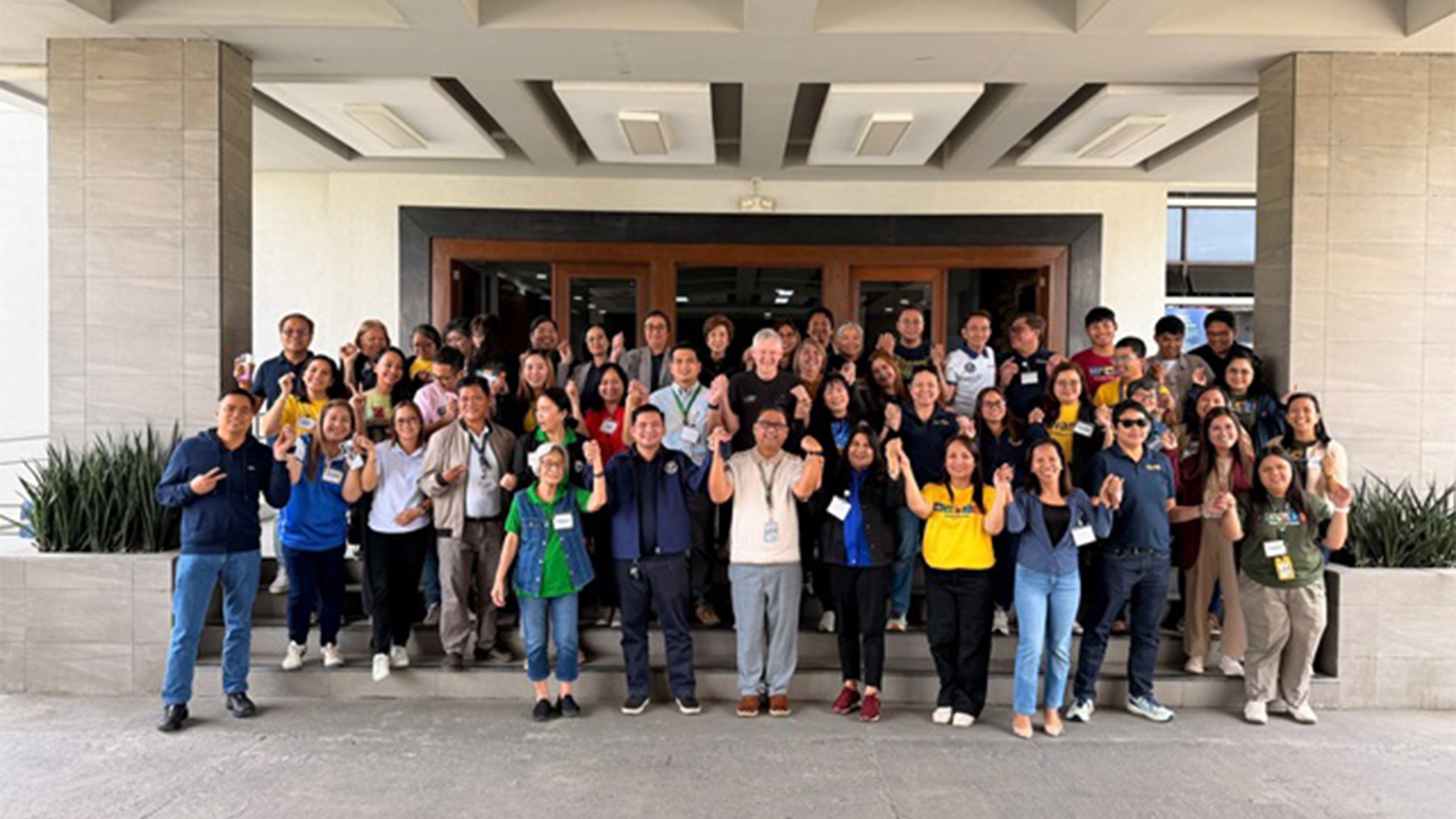
In a recent stakeholder workshop, Dr. Howarth E. Bouis, 2016 World Food Prize Laureate, said zinc deficiency increases the risk of severe diarrhea, pneumonia, and stunting, and that nutrient-enriched rice can “significantly improve child and maternal health.”
PhilRice Executive Director Dr. John C. De Leon highlighted the role of collaboration in delivering nutrition programs. “The Kiwanis-PhilRice partnership is a bond that mirrors our shared commitment to nourish and nurture our next generation. With these initiatives,
we make sure that no child is left behind in our fight against hunger, malnutrition, and a lost future,” he said.
KI-PLD District Gov. Stachys Neil E. Espino affirmed the organization’s commitment to champion the child-focused program. “As the District marks its 51st year and moves toward its 100th year, this program marks a shift to more innovative, sustained services that deliver impact for children’s and communities’ everyday lives,” he said.
Kiwanis International has a long history of supporting child nutrition having partnered with United Nations Children’s Fund (UNICEF) from 1994 to 2005 in a global campaign against iodine deficiency that raised over US$105 million for salt iodization, monitoring, and community education in nearly 90 countries.
Written By Philippine Rice Research Institute

 Facebook
 Twitter