
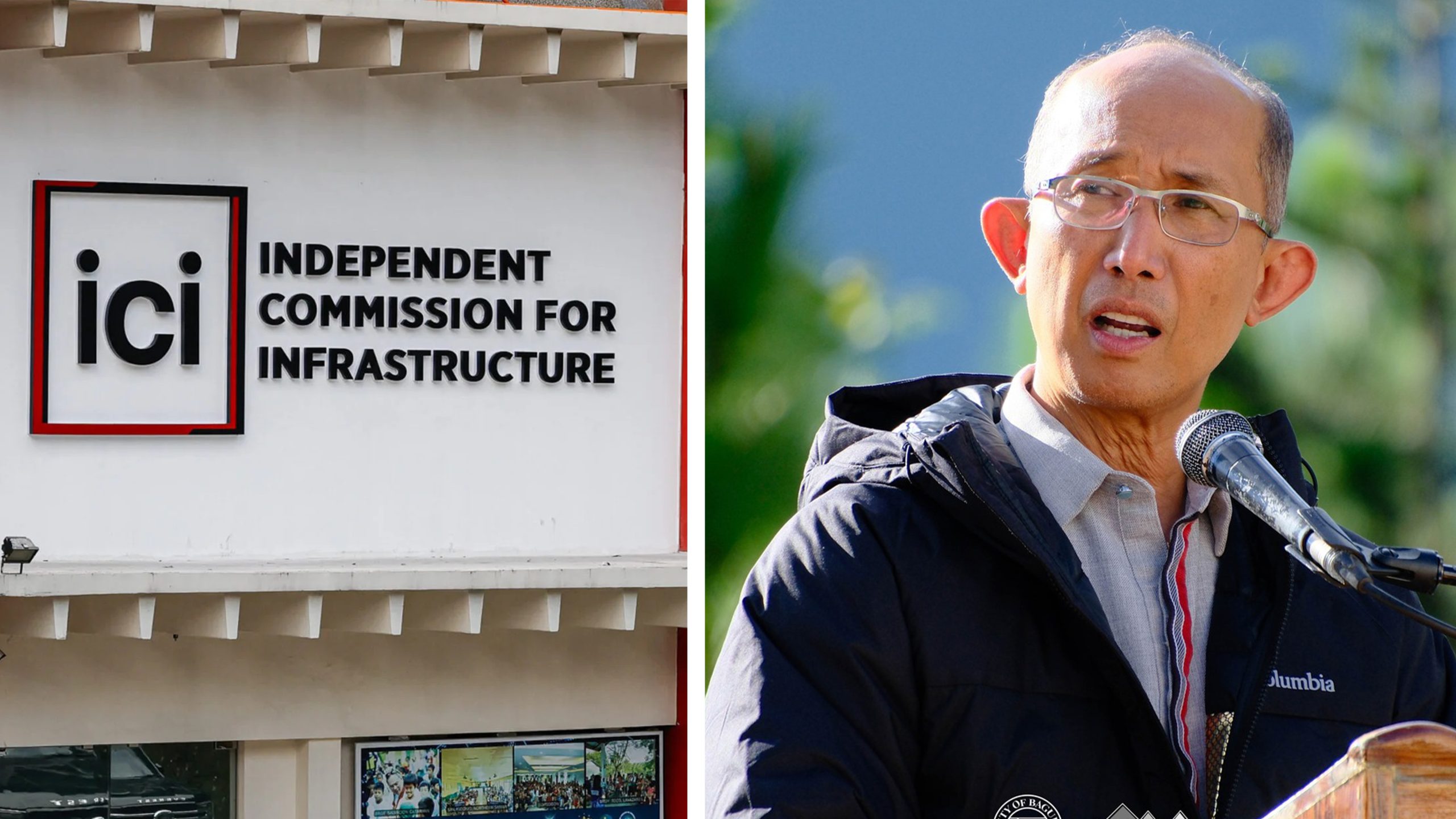
Baguio Mayor abolish ICI call has triggered renewed debate over governance and accountability after mass resignations left the anti-corruption body unable to operate.
BAGUIO CITY—A renewed debate over governance and accountability has emerged after Baguio City Mayor Benjamin Magalong called for the abolition of the Independent Commission for Infrastructure (ICI), saying the body has become ineffective following mass resignations and the absence of clear support from the executive branch. The issue has sparked discussion among local officials and the public on how best to sustain anti-corruption efforts in infrastructure projects while ensuring functional and credible institutions.
Magalong said the ICI, which was created to investigate alleged corruption in flood control projects and other major public works, is no longer able to fulfill its mandate. According to the mayor, the wave of resignations within the commission has left it unable to operate, raising questions about whether it can still deliver meaningful results or justify continued public funding.
The ICI was established as an independent body meant to strengthen transparency and accountability in infrastructure spending, particularly amid long-standing concerns over irregularities in flood control and large-scale construction projects. Its creation was widely seen as a step toward institutionalizing oversight beyond traditional government mechanisms. However, Magalong noted that independence alone is not enough if the commission lacks manpower, authority, and firm backing from national leadership.
In recent statements, the mayor emphasized that anti-corruption initiatives should be results-driven rather than symbolic. He warned that maintaining a commission that cannot function properly may create a false sense of accountability while diverting attention from more effective reforms. For Magalong, the priority should be building systems that work consistently, whether through strengthened existing agencies or alternative oversight frameworks.
The call to abolish the ICI has drawn mixed reactions. Some governance advocates argue that dissolving the commission could weaken the country’s anti-corruption posture, particularly in sectors historically prone to misuse of public funds. They caution that the failure of one body should prompt reforms, not removal, and stress the importance of insulating watchdog institutions from political pressure.
Others, however, agree with Magalong’s assessment, saying that an inactive or unsupported commission risks becoming irrelevant. They point out that without clear coordination with enforcement agencies and prosecutors, investigative findings may not translate into accountability. For these critics, restructuring or replacing the ICI with a more empowered mechanism could be a more pragmatic solution.
Political analysts say the controversy highlights broader challenges in governance reforms, especially the difficulty of sustaining independent bodies once public attention fades. They note that commissions often depend on political will, adequate funding, and public trust to remain effective. When any of these elements erode, even well-intentioned institutions can stall.
The situation also underscores the importance of clarity in mandates and lines of authority. Observers say overlapping functions among oversight agencies can lead to confusion and inefficiency, weakening the overall fight against corruption. Streamlining responsibilities and ensuring strong inter-agency cooperation are seen as key steps regardless of whether the ICI is retained or abolished.
For Baguio City, Magalong’s stance reflects his long-standing advocacy for transparency, shaped by his background in law enforcement and public service. Supporters say his position is consistent with his push for accountability at all levels of government, even if it involves reassessing institutions originally designed to promote integrity.
As the debate continues, attention is now focused on what comes next. Lawmakers and policy experts are being urged to review the ICI’s performance, assess the reasons behind the resignations, and determine whether reforms could revive the commission or whether a new approach is needed. The discussion is expected to feed into wider conversations on governance, anti-corruption strategies, and public sector reform.
Ultimately, the question raised by Magalong goes beyond the fate of a single commission. It challenges policymakers to ensure that anti-corruption bodies are not only created but also sustained, empowered, and supported to deliver concrete results. As public scrutiny grows, how the government responds may shape confidence in its commitment to transparency and accountability in the years ahead.


 Facebook
 Twitter