
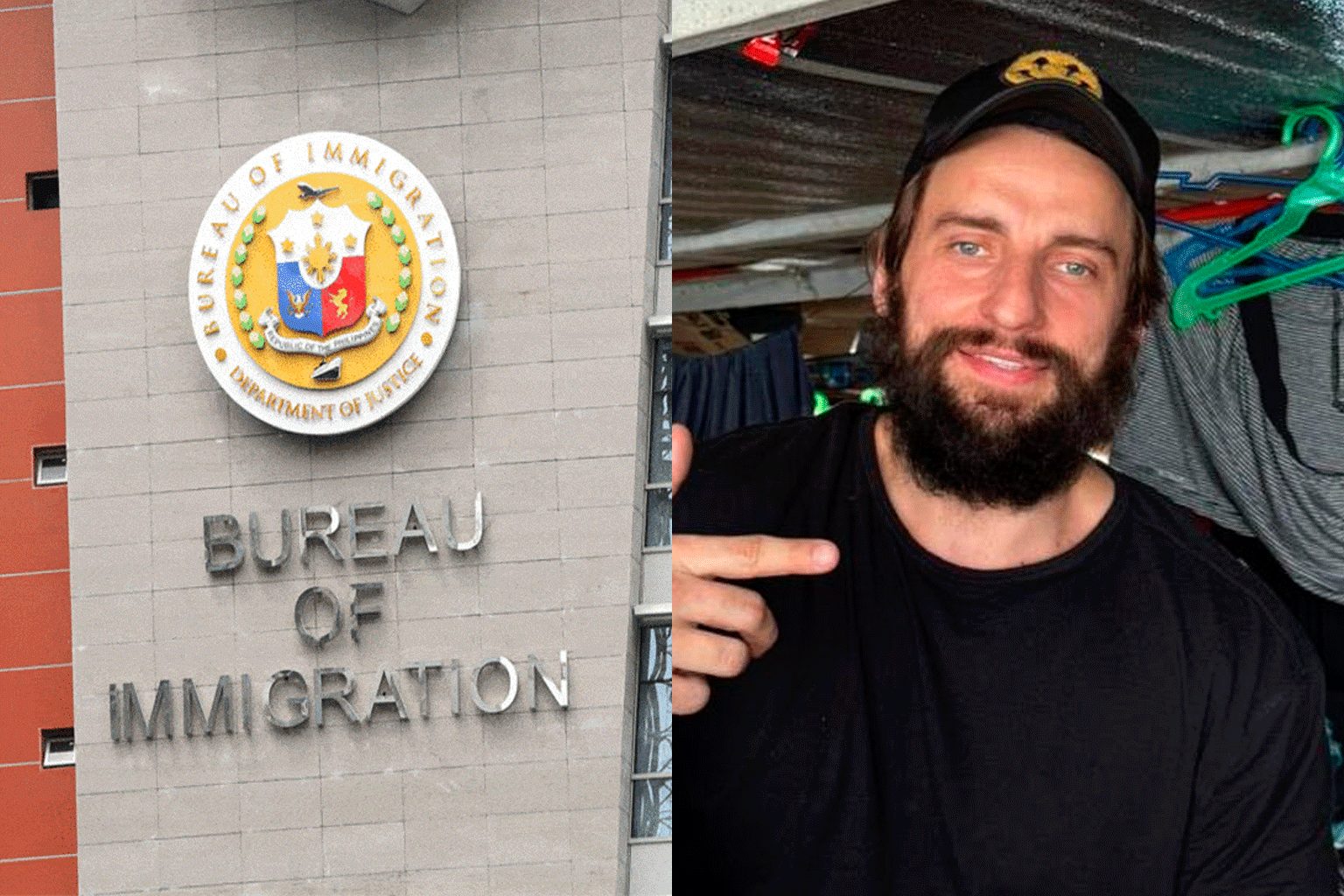
BI Mobile Phone Ban in Detention Centers is set to be implemented as the Bureau of Immigration moves to tighten security protocols following a controversy involving a Russian vlogger who allegedly used a smartphone while under immigration custody in the Philippines.
The issue sparked public concern after the foreign detainee allegedly posted online content despite being held at a BI detention center, raising questions about enforcement gaps and detainee privileges. Immigration officials said the incident prompted an immediate review of existing policies on gadget use inside detention facilities.
Immigration spokesperson Dana Sandoval said foreigners awaiting deportation are granted limited communication privileges, but stressed that mobile phones are not meant to be freely used for activities beyond contacting family members or legal counsel.
“Unlike convicted criminals, foreign nationals under our custody are allowed to communicate with their families or lawyers from time to time,” Sandoval said in an interview with state-run PTV. “However, the use of mobile devices for other purposes is not allowed.”
According to Sandoval, the BI is now moving to implement stricter controls after discovering that some detainees may have abused the privilege, leading to unauthorized access to social media platforms and online content creation.
“Specifically for the use of mobile phones, it appears that stricter measures are now necessary because the use of these devices has been abused,” she said. “One of the measures being considered by Commissioner Norman Tansingco Viado is the complete removal of detainees’ mobile phones.”
Under the proposed changes, detainees will instead be allowed to use landline phones inside the facility, a move officials describe as a “low-tech but more controllable” alternative. The BI is also planning to install designated video call booths to allow monitored virtual communication with relatives and legal representatives.
Sandoval explained that the planned video call system aims to balance detainees’ rights with security concerns, ensuring communication remains transparent and regulated.
“This will allow them to communicate without compromising the rules of the facility,” she said. “The goal is not to remove their right to communicate, but to prevent misuse that could undermine security and public trust.”
The controversy involving the Russian vlogger gained traction on social media after clips and reactions circulated online, with netizens questioning how a detainee was able to access a smartphone inside a government-run facility. The incident also fueled criticism over alleged lapses in monitoring and enforcement.
Immigration officials assured the public that an internal assessment is underway to determine how the incident occurred and to identify possible accountability gaps among personnel assigned to detention operations.
The BI emphasized that detainees awaiting deportation are held under administrative custody, not criminal incarceration, but stressed that this distinction does not justify unrestricted access to electronic devices.
Security analysts note that detention facilities worldwide face similar challenges, especially in an era where mobile phones can instantly broadcast content to global audiences. They added that tighter controls are necessary to prevent misinformation, protect national security, and uphold the integrity of government institutions.
The Bureau of Immigration said it remains committed to improving detention management systems while respecting human rights standards. The agency added that new guidelines will be announced once finalized and implemented across all immigration detention facilities.
As authorities move forward with reforms, the BI reiterated its appeal for public understanding, emphasizing that the measures are intended to strengthen oversight and prevent future incidents that could damage the agency’s credibility.


 Facebook
 Twitter