
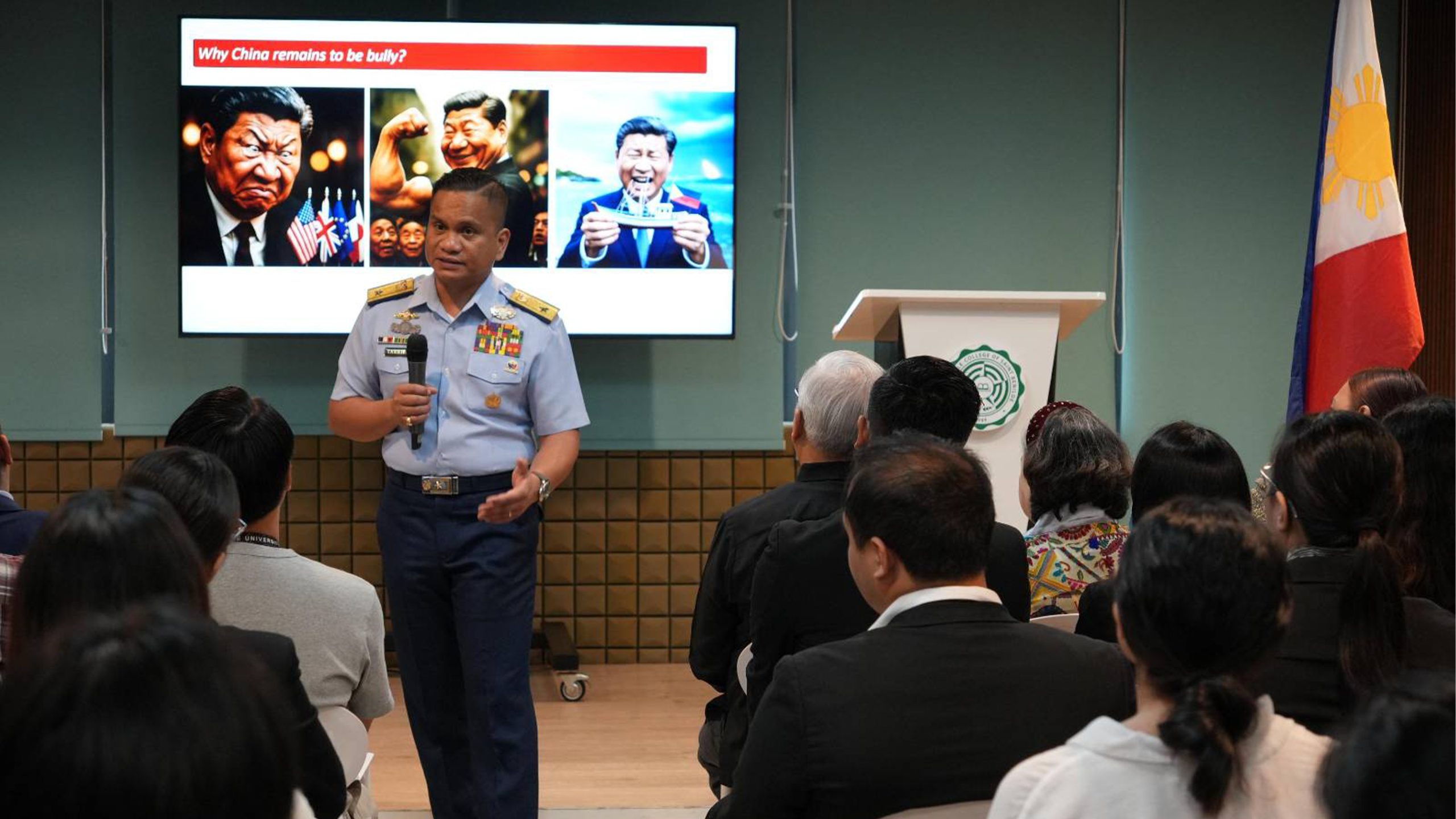
China protest Jay Tarriela posts have escalated diplomatic tensions after Beijing lodged a formal complaint over social media statements linked to the West Philippine Sea.
China has formally lodged diplomatic protests with Malacañang, the Department of Foreign Affairs, and the Philippine Coast Guard over social media posts made by Philippine Coast Guard West Philippine Sea spokesperson Jay Tarriela, a move that underscores rising tensions between Beijing and Manila amid ongoing disputes in the West Philippine Sea. Chinese officials said the posts targeted and “smeared” Chinese leaders, prompting Beijing to raise the issue through official diplomatic channels.
In a statement released by the Chinese Embassy in Manila, China described Tarriela’s online posts as a “serious violation” of what it called China’s political dignity and a “blatant political provocation.” The embassy said it has taken the matter up with Philippine authorities, signaling Beijing’s growing sensitivity to public messaging related to maritime disputes and regional security issues.
Tarriela, who has been an active voice on social media in explaining Philippine maritime operations and encounters in the West Philippine Sea, has frequently used online platforms to counter what Manila describes as Chinese disinformation. His posts often include photos, videos, and firsthand accounts from Philippine Coast Guard missions, drawing public attention to incidents involving Chinese vessels in contested waters.
While Philippine officials have yet to issue a detailed response to China’s latest protest, the incident adds to a series of diplomatic exchanges between the two countries over actions and statements linked to the South China Sea. In recent months, both governments have traded accusations over maritime conduct, with the Philippines asserting its sovereign rights and China reiterating its sweeping claims in the area.
Security analysts say the protest reflects China’s increasing concern over how the maritime dispute is being framed in public discourse. By raising objections to social media content, Beijing appears to be signaling that it views online narratives as part of the broader geopolitical contest, not merely as individual expressions. Analysts also note that Tarriela’s visibility has made him a recognizable figure in the Philippines’ information campaign regarding the West Philippine Sea.
For its part, the Philippine Coast Guard has maintained that transparency and public communication are essential in informing Filipinos about developments at sea. Officials have previously said that sharing verified information helps counter misinformation and reinforces public understanding of maritime rights under international law, including the 2016 arbitral ruling that invalidated China’s expansive claims.
The diplomatic protest comes at a time when the Philippines continues to strengthen defense and security cooperation with allies, while also reiterating its commitment to peaceful dialogue. Observers say incidents like this highlight the delicate balance Manila must strike between asserting its position, maintaining transparency, and managing diplomatic relations with Beijing.
As tensions persist, the latest protest underscores how disputes in the West Philippine Sea are increasingly playing out not only through patrols and diplomatic notes, but also through public messaging and social media—an arena that both sides appear to be watching closely.


 Facebook
 Twitter