
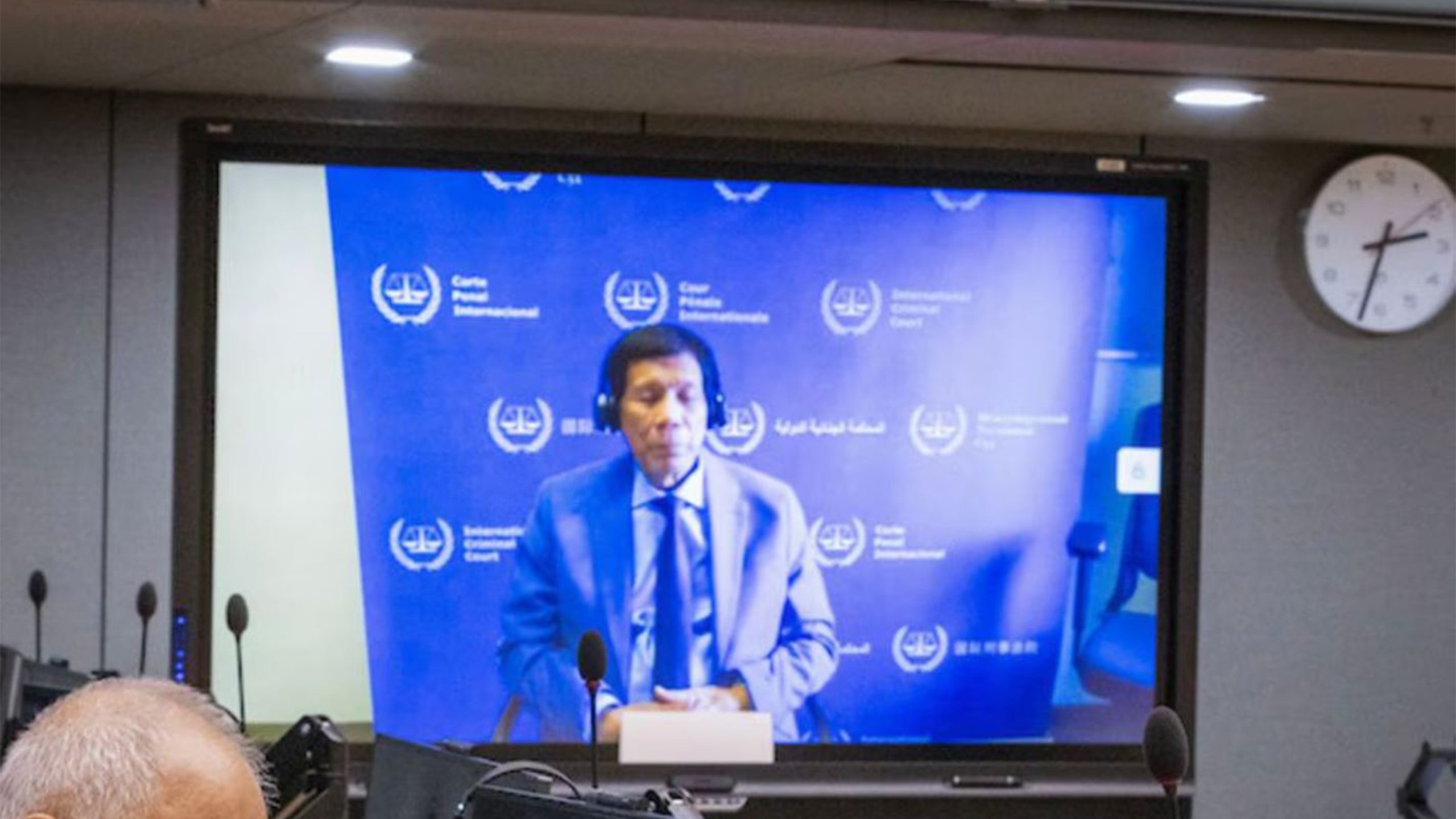
Duterte ICC interim release efforts intensified after his legal team submitted new medical evidence to the International Criminal Court.
The legal team of former Philippine president Rodrigo Duterte has submitted new medical evidence to the International Criminal Court (ICC) as part of a renewed bid seeking his interim release, a move that adds a fresh layer to the high-profile case that continues to draw international attention. The filing, according to sources familiar with the matter, centers on Duterte’s health condition and argues that humanitarian considerations warrant temporary release while proceedings remain ongoing.
The submission was reportedly made in compliance with ICC procedures, with Duterte’s lawyers presenting updated medical records to support their request. While specific details of the medical findings were not fully disclosed to the public, the defense emphasized that the former leader’s health has become a pressing concern and should be taken into account by the court. The filing underscores the camp’s position that interim release is justified under international legal standards, particularly when health-related issues are involved.
Duterte, who served as president of the Philippines from 2016 to 2022, is linked to an ICC investigation examining alleged crimes connected to the government’s anti-drug campaign during his administration. The campaign, which Duterte openly defended while in office, resulted in thousands of deaths and sparked both domestic and international criticism. Human rights groups have long accused the former president of overseeing policies that led to extrajudicial killings, claims that his camp has consistently denied.
The ICC case has remained a sensitive and politically charged issue in the Philippines. Supporters of Duterte maintain that the former president acted within the bounds of the law to protect public safety, while critics argue that accountability is necessary for alleged abuses. The submission of new medical evidence comes amid this backdrop, shifting attention once again to the legal and humanitarian dimensions of the proceedings.
Legal experts note that interim release under ICC rules is not automatic and depends on several factors, including the risk of flight, potential interference with the investigation, and humanitarian considerations such as health. The court evaluates medical submissions carefully, often seeking independent verification before making a determination. Observers say the latest filing suggests that Duterte’s legal team is focusing on these humanitarian grounds as a central pillar of their strategy.
The defense has repeatedly argued that Duterte poses no flight risk and remains willing to cooperate with legal processes. They have also stressed his age and physical condition, asserting that continued detention would be disproportionate given his circumstances. In previous filings, the camp emphasized that interim release would not undermine the integrity of the case and could be subject to conditions imposed by the court.
On the other hand, critics caution that interim release could be perceived as a setback for accountability efforts. Human rights advocates have consistently urged the ICC to proceed with caution, emphasizing the gravity of the allegations and the importance of ensuring justice for victims. They argue that health-related claims should be thoroughly assessed and balanced against the broader interests of justice.
The Philippine government’s position on the ICC investigation has evolved over time. While the country formally withdrew from the Rome Statute during Duterte’s presidency, the ICC has maintained that it retains jurisdiction over alleged crimes committed while the Philippines was still a member. This jurisdictional question has been a recurring point of contention and continues to influence public discourse surrounding the case.
For many Filipinos, the latest development revives debates about sovereignty, accountability, and the legacy of Duterte’s leadership. The former president remains a polarizing figure, with a loyal base that views the ICC case as politically motivated, and critics who see it as a crucial step toward addressing alleged human rights violations. The submission of new medical evidence adds another dimension to this already complex narrative.
As the ICC reviews the latest filing, no immediate ruling has been announced. The court is expected to assess the medical documents alongside other legal considerations before deciding whether interim release is warranted. Until then, the case remains under close watch by international observers, legal analysts, and the Filipino public.
The outcome of the interim release bid could have broader implications beyond Duterte’s personal circumstances. It may influence how future cases before the ICC handle humanitarian claims by high-profile defendants and shape perceptions of the court’s balance between compassion and accountability. For now, the submission of new medical evidence marks a significant moment in an ongoing legal process that continues to resonate far beyond the courtroom.


 Facebook
 Twitter