
Flood control scam convicts detention may take place at a high-security supermax prison in Mindoro, the Bureau of Corrections said, as authorities consider tougher incarceration measures for those convicted in the controversial corruption case.
BuCor Director General Gregorio Catapang Jr. said the Sablayan Prison and Penal Farm in Occidental Mindoro is being considered as a detention site for those convicted in the flood control anomaly. The facility has been designated as a “supermax” prison intended to house inmates involved in serious and heinous crimes.
Catapang made the statement during an interview on the sidelines of the National Jail Decongestion Summit on Wednesday, January 21, when asked if the government has an existing facility for individuals convicted in the flood control scandal.
“Meron naman… ‘yung Mindoro kasi designated na ‘supermax,’ so doon ilalagay ‘yung serious-heinous crime offenders,” Catapang said.
(There is one… because the Mindoro facility is designated as a supermax prison, that is where serious and heinous crime offenders will be placed.)
The BuCor chief added that the prison facility in Mindoro is nearing completion and is expected to be finished within the first quarter of the year. He said the site is being prepared in case authorities decide to transfer or detain individuals involved in large-scale corruption cases such as the flood control scandal.
“Meron na, almost done na… first this quarter, matatapos na. Just in case maglagay ng facility para doon sa involved sa flood control,” he said.
(It is already there and almost finished… it will be completed within the first quarter, just in case a facility is needed for those involved in flood control.)
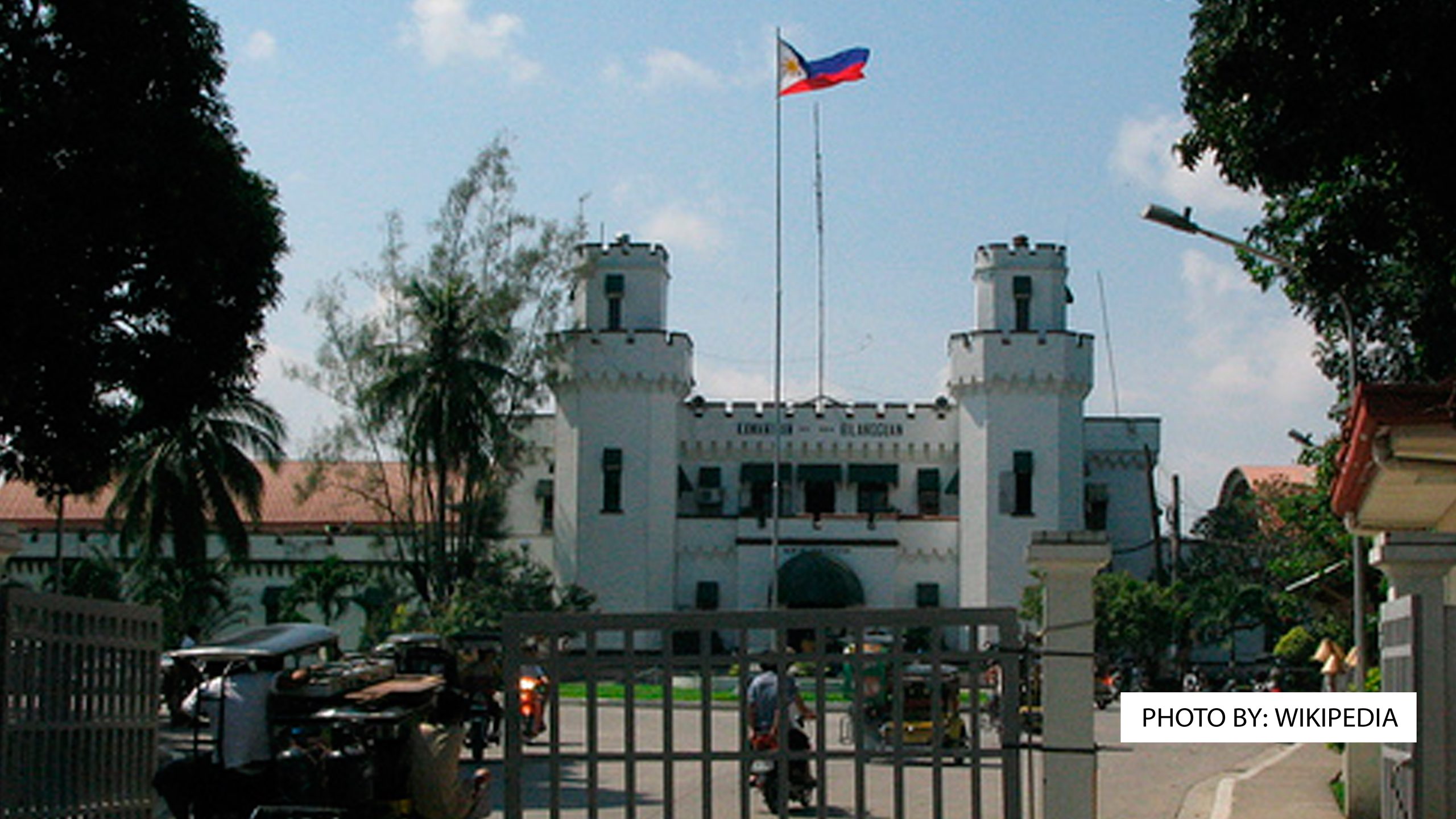
Meanwhile, Catapang disclosed that the New Bilibid Prison (NBP) in Muntinlupa City is expected to be closed in the future as the government plans to repurpose the property for other uses. He explained that continuing operations at the facility’s current location is no longer practical due to serious security risks.
According to Catapang, the prison complex is now surrounded by first-class residential subdivisions, raising concerns about public safety in the event of a security breach.
“Pagka may nagkaroon ng let’s say jailbreak doon or whatever, magiging serious security problem,” he said.
(If there happens to be a jailbreak or any similar incident, it would pose a serious security problem.)
He added that the land occupied by the New Bilibid Prison could be better utilized for essential government projects that would benefit the public.
Despite plans to eventually close the facility, Catapang noted significant improvements in detention conditions at Bilibid. He said the congestion rate has dropped from around 300 percent to nearly 200 percent, representing a major reduction in overcrowding.
This improvement, according to Catapang, is the result of ongoing jail decongestion efforts, including inmate transfers to provincial facilities and the construction of new penal farms outside Metro Manila.
However, overcrowding remains a persistent challenge across the country’s jail and prison system. Reports from 2025 indicate that detention facilities continue to struggle with severe congestion.
As of September 2025, the Bureau of Jail Management and Penology recorded a congestion rate of 286 percent in local jails, while prisons under the Bureau of Corrections posted a congestion rate of 290 percent.
Authorities said the continued expansion of regional penal facilities, including the Mindoro supermax prison, forms part of the government’s broader strategy to improve prison security, decongest urban jails, and ensure the safe detention of high-risk inmates.
Catapang emphasized that BuCor remains committed to prison reform efforts, balancing public safety, security, and humane detention standards, particularly for individuals convicted of large-scale corruption and other serious offenses.


 Facebook
 Twitter