
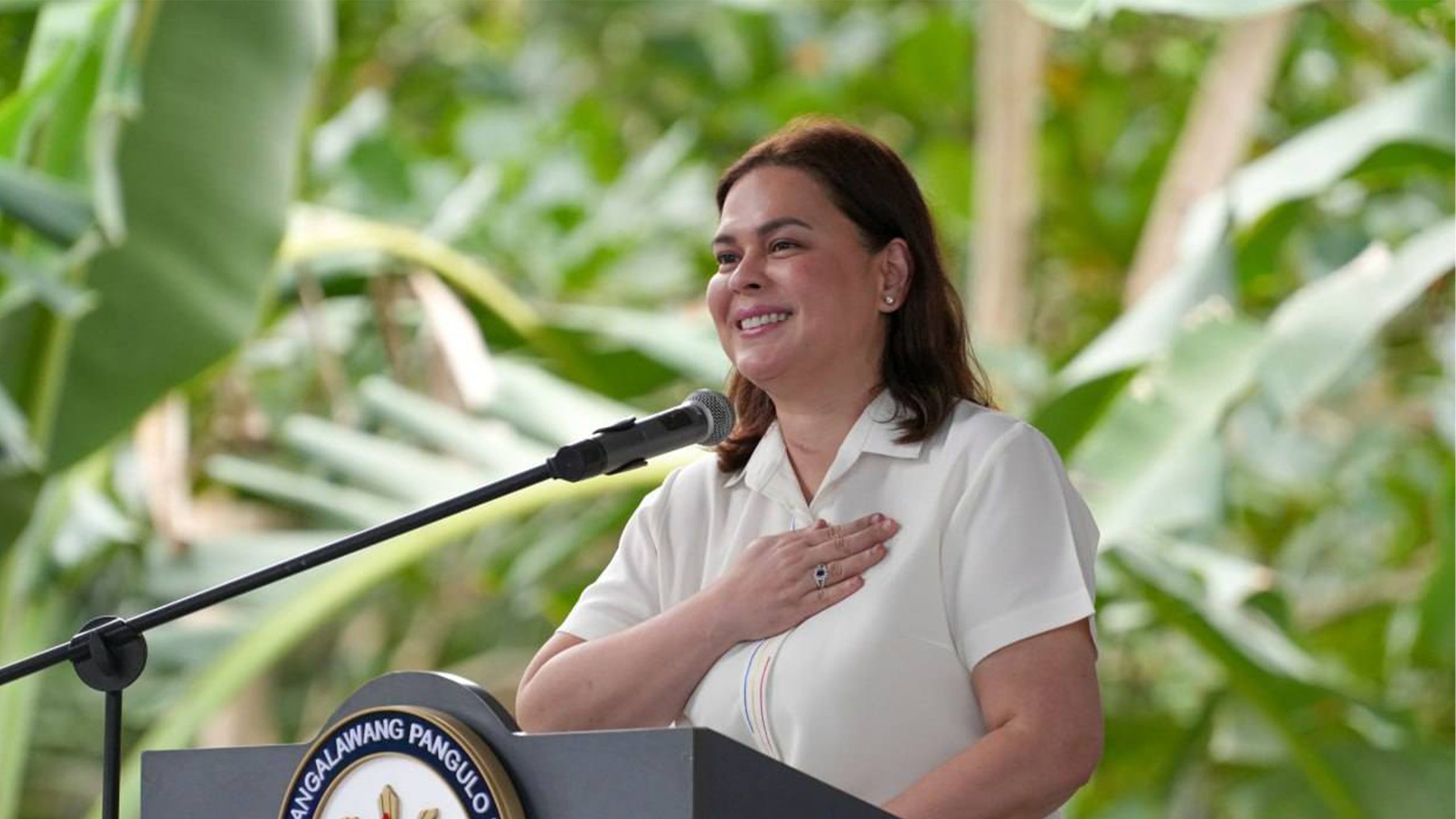
House impeachment rules vs Sara Duterte are under renewed scrutiny.
MANILA, Philippines — Lawmakers in the House of Representatives are moving to tighten impeachment rules in an effort to ensure any potential case against the Vice President is legally sound and aligned with recent Supreme Court rulings. The proposal has sparked renewed national debate over constitutional processes, political accountability, and the balance between due process and legislative authority as impeachment discussions regain momentum.
House leaders backing the initiative said the effort is not about fast-tracking an impeachment complaint, but about closing legal gaps that could weaken any future case and risk dismissal on technical grounds. According to them, clearer rules would help lawmakers avoid procedural pitfalls, especially as past impeachment efforts in the Philippines have often been derailed by questions over jurisdiction, sufficiency of evidence, and compliance with constitutional timelines.
The push comes amid renewed scrutiny of Vice President Duterte, who has faced questions linked to governance, public statements, and broader political controversies. While no final impeachment complaint has been approved, House leaders emphasized that the Constitution gives Congress the power — and responsibility — to ensure impeachment mechanisms are clear, fair, and aligned with prevailing jurisprudence.
Supporters of the proposed changes said recent Supreme Court decisions underscored the need for precision in impeachment proceedings, particularly on issues such as verification of complaints, evidentiary standards, and the roles of House committees. By tightening internal rules now, they argued, Congress can prevent confusion later and ensure that any impeachment process, whether against Duterte or another official, can withstand judicial review.
Opposition lawmakers, however, warned that revising impeachment rules while a specific official is under political fire could set a dangerous precedent. Critics argued that the timing raises concerns about selective application of rules and potential politicization of impeachment, which is supposed to be a constitutional safeguard rather than a political weapon. Some also cautioned that frequent rule changes could undermine public trust in Congress and the impeachment process itself.
Vice President Duterte has not been formally charged in an impeachment case, but allies have dismissed the House initiative as premature and politically motivated. They maintained that any move to revise rules should be done in a neutral environment, free from partisan pressure, and with broad consensus across political lines.
Political analysts said the debate reflects deeper tensions within Philippine politics, where impeachment has long been viewed as both a legal remedy and a political tool. They noted that strengthening rules could improve accountability if done transparently, but could also backfire if perceived as targeting a specific individual.
As discussions continue in the House, the proposed changes are expected to undergo committee deliberations and possible floor debates in the coming weeks. Whether the revisions will ultimately pass — and how they might affect the political future of Vice President Duterte — remains uncertain. What is clear, however, is that impeachment has once again become a central issue in national discourse, highlighting enduring questions about power, responsibility, and the rule of law in the Philippines.


 Facebook
 Twitter