
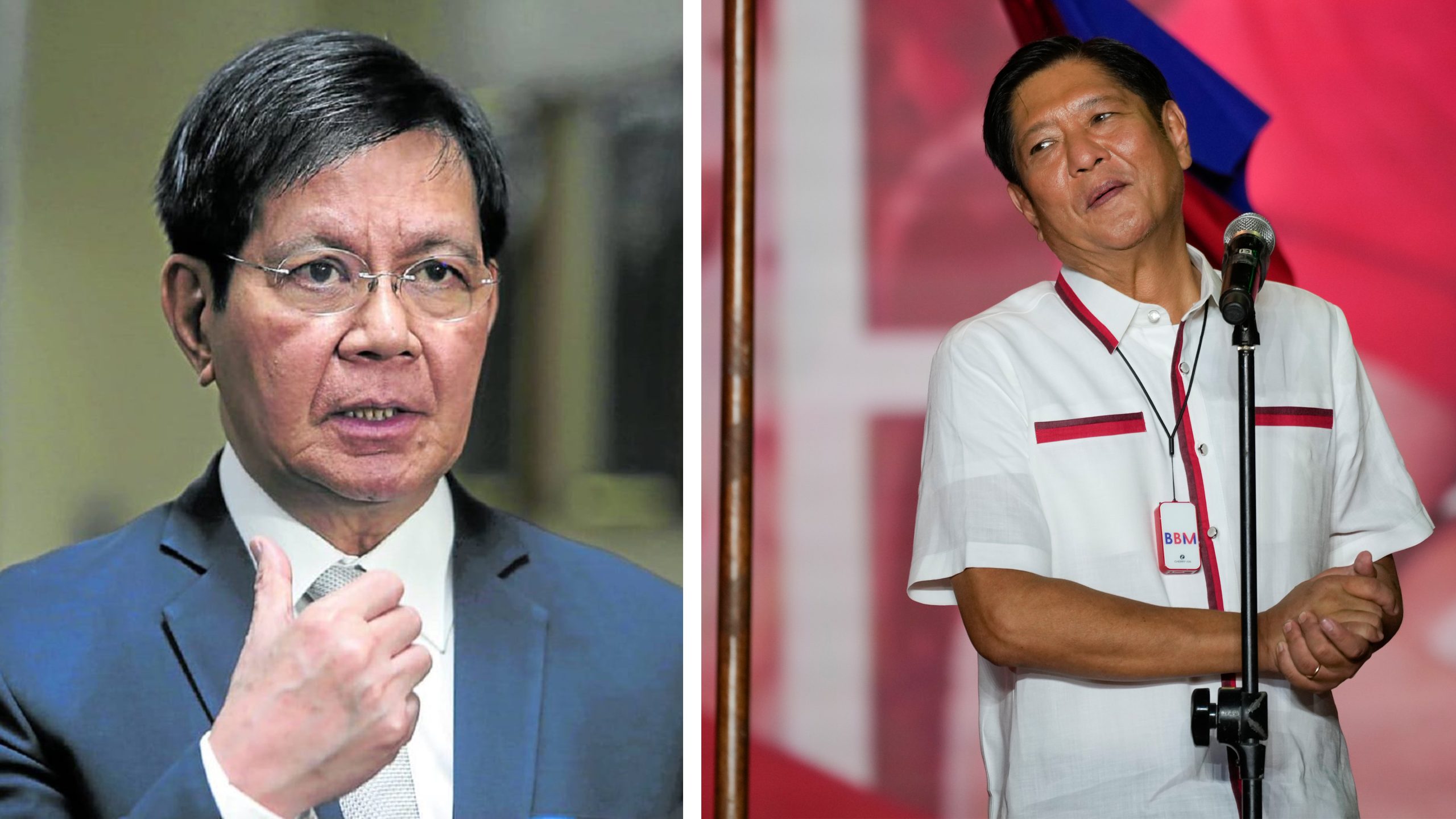
Lacson Marcos anti-corruption efforts are back in the spotlight as the Philippines moves closer to the 2026 political cycle, with renewed calls for stronger governance and accountability.
As the Philippines moves closer to the 2026 political cycle, calls for stronger governance and accountability are once again taking center stage. Senator Panfilo Lacson has expressed hope that President Ferdinand Marcos Jr. will remain steadfast in his commitment to fighting corruption, stressing that consistency and political will are critical to restoring public trust in government institutions.
Lacson, a longtime advocate of transparency and anti-corruption reforms, emphasized that the administration’s credibility hinges on its ability to enforce accountability regardless of political alliances or influence. He warned that wavering on corruption issues could undermine reforms and weaken confidence in the government’s leadership, particularly as the country faces economic pressures and governance challenges.
Renewed Focus on Accountability
Speaking to reporters, Lacson highlighted that corruption remains one of the most persistent problems affecting the Philippines. Despite repeated promises from successive administrations, he noted that public frustration continues due to unresolved cases, slow justice, and perceptions of selective accountability.
According to the senator, the coming years will be a crucial test for the Marcos administration. With the 2026 elections approaching, Lacson said the temptation to compromise principles for political convenience may increase. However, he stressed that the president must resist such pressures if he intends to leave a meaningful legacy.
“Fighting corruption should not depend on political timing,” Lacson said, adding that reforms must be applied consistently and fairly. “If we want institutions to be respected, the rules must apply to everyone.”
Marcos Administration Under Scrutiny
President Marcos has repeatedly stated his administration’s commitment to good governance and economic recovery. Since assuming office, he has pledged to improve efficiency in government services, strengthen institutions, and promote transparency as part of his broader development agenda.
However, critics argue that the success of these goals depends largely on how corruption cases are handled. Lacson noted that high-profile investigations and accountability measures send strong signals to both the public and investors, while inaction or inconsistency can raise doubts about political resolve.
He also pointed out that corruption has far-reaching consequences beyond politics. “It affects public services, infrastructure projects, social programs, and even national security,” Lacson said. “When funds are misused, ordinary Filipinos suffer.”
Public Trust and Political Stability
Analysts say public trust is a key factor in maintaining political stability, especially during periods of economic uncertainty. Rising prices, global market fluctuations, and climate-related challenges have placed additional pressure on government resources, making transparency in spending more important than ever.
Lacson argued that anti-corruption efforts should be framed not just as a moral obligation, but as an economic necessity. He explained that investors and international partners closely watch how governments manage public funds and enforce the rule of law.
“If we want sustainable growth, we must show that the system works,” he said. “That includes holding erring officials accountable, regardless of their position.”
Lessons from Past Administrations
The senator also reflected on lessons from previous administrations, noting that anti-corruption campaigns often lose momentum over time. Initial crackdowns may be strong, but political compromises and shifting priorities can dilute reforms.
Lacson warned against repeating these patterns, urging the Marcos administration to institutionalize reforms rather than rely on short-term initiatives. Strengthening oversight agencies, protecting whistleblowers, and ensuring the independence of investigative bodies were among the measures he cited as essential.
“Anti-corruption should not be personality-driven,” he said. “It should be embedded in our systems so that it continues regardless of who is in power.”
The Road to 2026
With the 2026 elections on the horizon, political observers expect governance issues to dominate public discourse. Corruption, in particular, remains a sensitive topic for voters who have long demanded cleaner and more accountable leadership.
Lacson acknowledged that the political climate will become increasingly complex as election season nears. However, he maintained that strong leadership requires making difficult decisions, even when they carry political risks.
“Leadership is tested when it is inconvenient,” he said. “This is the time to show resolve.”
Calls for Consistent Leadership
Civil society groups have echoed similar sentiments, urging the government to prioritize transparency and accountability. Advocacy organizations have called for clearer reporting on public spending, faster resolution of corruption cases, and greater citizen participation in governance.
Lacson welcomed these calls, saying public engagement plays a vital role in sustaining reform efforts. He encouraged citizens to remain vigilant and demand accountability from their leaders, noting that democratic participation extends beyond elections.
Looking Ahead
As the Marcos administration enters a critical phase, expectations remain high. Supporters argue that the president has an opportunity to strengthen institutions and promote long-term stability, while critics remain cautious, calling for concrete results rather than promises.
For Lacson, the message is clear: consistency will define the administration’s legacy. “The fight against corruption cannot afford to pause or weaken,” he said. “The Filipino people deserve a government that stands firm on its principles.”
With 2026 drawing closer, how the administration responds to these challenges may shape not only the political landscape, but also the public’s confidence in the country’s future.


 Facebook
 Twitter