
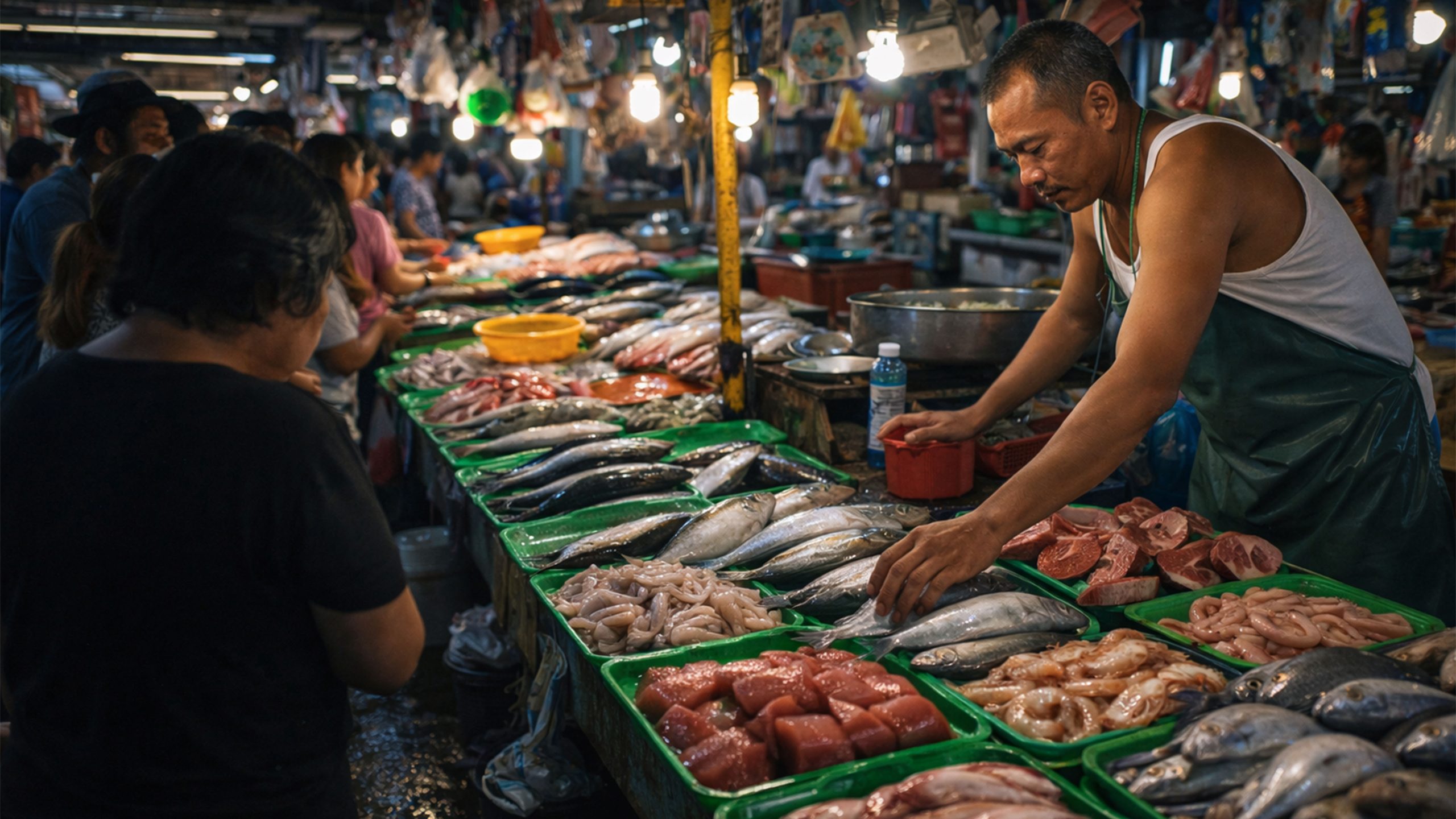
The Philippines inflation rate 2025 settled at an average of 1.7 percent, marking one of the most stable price environments in recent years and keeping inflation within the government’s target range.
The Philippines closed 2025 with an average inflation rate of 1.7%, marking one of the most stable price environments in recent years and keeping inflation well within the government’s target range, according to official data released Tuesday.
Based on figures from the Philippine Statistics Authority (PSA), the full-year inflation average reflects a steady easing of price pressures, particularly toward the latter part of the year. This development comes as welcome news for Filipino households and businesses that had previously grappled with elevated costs of basic goods and services.
At a press briefing, National Statistician and PSA chief Claire Dennis Mapa said inflation in December 2025 was recorded at 1.8%, capping a year marked by improved supply conditions and more manageable price movements across key commodity groups. Inflation measures the pace at which prices of goods and services rise over time and is a key indicator of economic stability.
Food prices, which account for a large share of household spending, showed more tempered increases compared to previous years. The PSA noted slower price growth in staples such as rice, fish, and vegetables, helped by improved domestic supply and calibrated import measures. Transport costs also posted modest changes as fuel prices remained relatively stable during the latter half of the year.
Economists say the lower inflation environment provided breathing room for consumers, particularly low- and middle-income families, by preserving purchasing power. “A 1.7% average inflation rate is a positive signal,” analysts noted, pointing out that it supports household consumption while giving policymakers greater flexibility.
The inflation outcome also aligns with the government’s broader economic objectives, including sustaining growth while preventing overheating. With inflation comfortably within target, monetary authorities were able to maintain a more measured policy stance, balancing the need to support economic activity without fueling excessive price increases.
Small businesses and market vendors likewise benefited from steadier input costs, allowing for more predictable pricing and planning. In public markets across urban centers, consumers reported fewer abrupt price hikes, particularly for daily essentials, during the final months of the year.
Looking ahead, the PSA emphasized that inflation remains subject to both domestic and global risks, including weather disturbances, supply chain disruptions, and fluctuations in global commodity prices. However, officials expressed cautious optimism that existing safeguards and improved coordination among agencies would help keep price growth manageable.
For now, the 2025 inflation figures underscore a period of relative price stability for the Philippines, offering a more favorable environment for consumption, investment, and overall economic confidence as the country moves into 2026.


 Facebook
 Twitter