
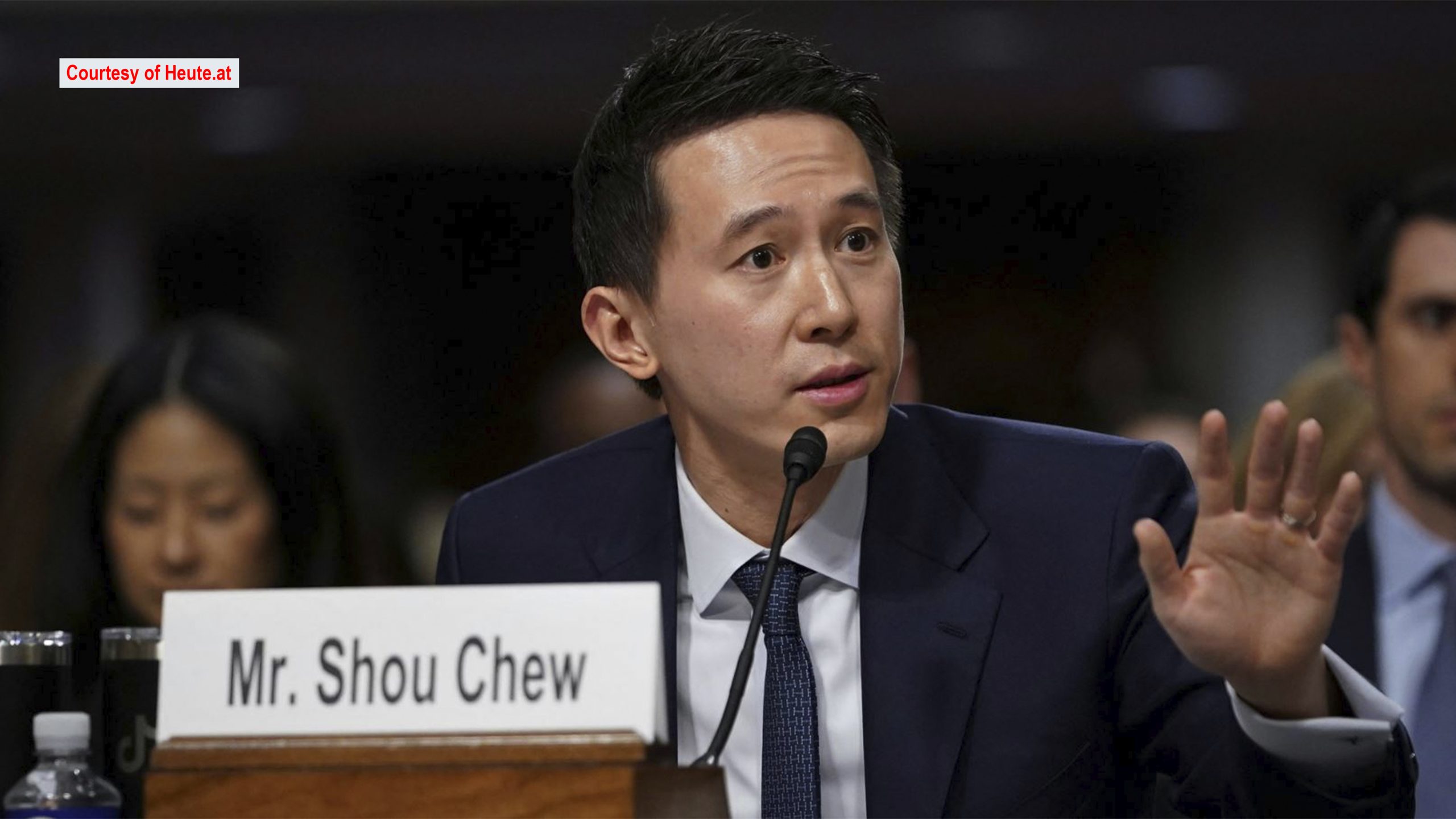
TikTok US deal developments moved closer to certainty after chief executive Shou Chew informed employees that the company had finalized an agreement allowing the video-sharing platform to continue operating in the United States.
TikTok’s future in the United States took a more stable turn after its chief executive informed employees that the company had finalized a deal allowing the popular video-sharing platform to continue operating in the country, easing months of uncertainty surrounding a potential nationwide ban. The development comes amid ongoing scrutiny from US lawmakers over data security and national security concerns linked to the app’s Chinese parent company, ByteDance.
In an internal memo circulated to staff, TikTok CEO Shou Chew described the agreement as “good news” for the company, emphasizing that it represents progress in addressing regulatory issues that have threatened TikTok’s presence in one of its largest markets. While specific details of the deal were not made public, the memo highlighted that discussions with US authorities had reached a point that allows TikTok to maintain its operations while continuing to work on long-term compliance measures.
For years, TikTok has faced pressure from the US government over fears that user data could be accessed by foreign entities or used for influence operations. These concerns intensified during previous administrations and led to repeated calls for either a ban or a forced divestment of TikTok’s US operations. In response, the company has repeatedly stated that it stores US user data domestically and has put safeguards in place to limit access.
The latest agreement appears to be part of TikTok’s broader strategy to reassure regulators and the public. The company has invested heavily in data security initiatives, including partnerships with third-party firms and the establishment of oversight mechanisms designed to increase transparency. In his message to employees, Chew acknowledged the challenges of the past months, noting that the uncertainty had taken a toll on staff morale but also underscoring the resilience of the workforce.
Industry analysts say the deal could provide temporary relief but does not necessarily mark the end of TikTok’s regulatory challenges in the US. Lawmakers from both political parties have continued to push for stricter oversight of social media platforms, particularly those with global ownership structures. Some experts believe that additional legislation or regulatory reviews could still impact TikTok’s long-term operations.
Despite the ongoing debate, TikTok remains a dominant force in the social media landscape, with millions of American users and a significant role in the creator economy. Many small businesses and content creators rely on the platform for marketing, income, and audience engagement. A full ban, analysts have noted, could have wide-ranging economic and cultural effects.
In the memo, Chew encouraged employees to remain focused on the company’s mission while continuing to engage constructively with regulators. He reiterated TikTok’s commitment to user safety, data protection, and compliance with local laws, framing the agreement as a step forward rather than a final resolution.
As discussions around digital security and platform regulation continue, TikTok’s ability to operate in the US will likely remain under close watch. For now, however, the deal provides breathing room for the company and its workforce, signaling that dialogue and negotiation remain central to resolving one of the most closely watched technology disputes in recent years.


 Facebook
 Twitter