
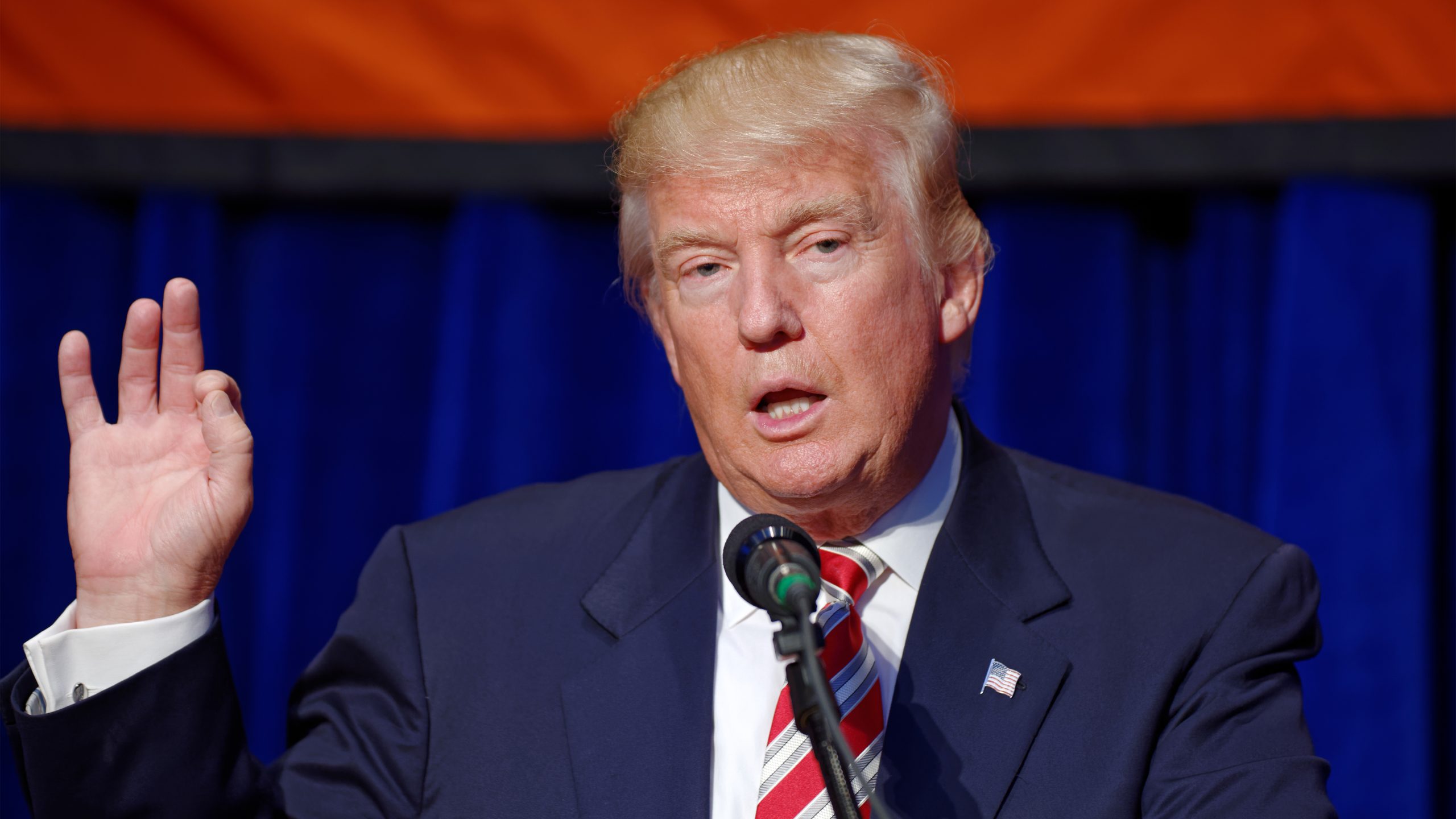
U.S. withdraw UN organizations as President Donald Trump announces plans to pull the United States out of dozens of international and UN-affiliated bodies.
U.S. President Donald Trump has announced plans to withdraw the United States from dozens of international and United Nations-affiliated organizations, a move that could significantly reshape the country’s role in global diplomacy and multilateral cooperation.
Trump said the planned withdrawal would involve at least 35 international groups, including 31 United Nations entities, which he argued no longer serve the interests of the American people. The announcement signals a renewed push for a foreign policy anchored on national sovereignty and reduced participation in multilateral institutions.
Among the organizations identified is the United Nations Framework Convention on Climate Change (UNFCCC), a major international treaty that coordinates global efforts to address climate change. Often described as the foundation of international climate policy, the UNFCCC has been central to negotiations aimed at limiting global temperature rise. Trump has consistently criticized climate agreements, saying they impose economic costs on the United States while benefiting competing nations.
Also included in the list is UN Women, the United Nations agency focused on gender equality and women’s empowerment. The body supports programs related to education, economic inclusion, and protection from gender-based violence. Critics of the proposed withdrawal warn that leaving such institutions could weaken international cooperation on social development and human rights.
Trump defended the decision by saying continued participation in these organizations requires substantial financial contributions with limited returns. He added that redirecting funds toward domestic priorities — such as infrastructure, border security, and economic development — would better serve U.S. interests.
The announcement reflects policy positions Trump previously pursued during his earlier presidency, when the United States exited or reduced involvement in several global agreements and institutions. These included the Paris Climate Agreement and the World Health Organization. While some of those moves were later reversed by the succeeding administration, Trump’s latest statement suggests a renewed effort to redefine Washington’s global commitments.
Foreign policy analysts say a large-scale withdrawal from UN bodies could have long-term implications. The United States has historically been one of the largest contributors to the United Nations, a position that has given it considerable influence in shaping international policy discussions. Reducing participation could diminish U.S. leverage while opening space for other global powers to expand their influence.
Supporters of Trump’s stance argue that reassessing international commitments is necessary to protect national sovereignty and ensure accountability. They maintain that global institutions should not override domestic priorities or impose obligations that disadvantage American workers and industries.
Opponents, however, caution that stepping back from multilateral cooperation may weaken global responses to shared challenges such as climate change, public health emergencies, and international security threats.
As debates continue, the proposed withdrawals are expected to play a prominent role in policy discussions, highlighting sharply different views on America’s place in the world — whether as a leading participant in global institutions or a nation focused primarily on advancing its own national interests.


 Facebook
 Twitter