
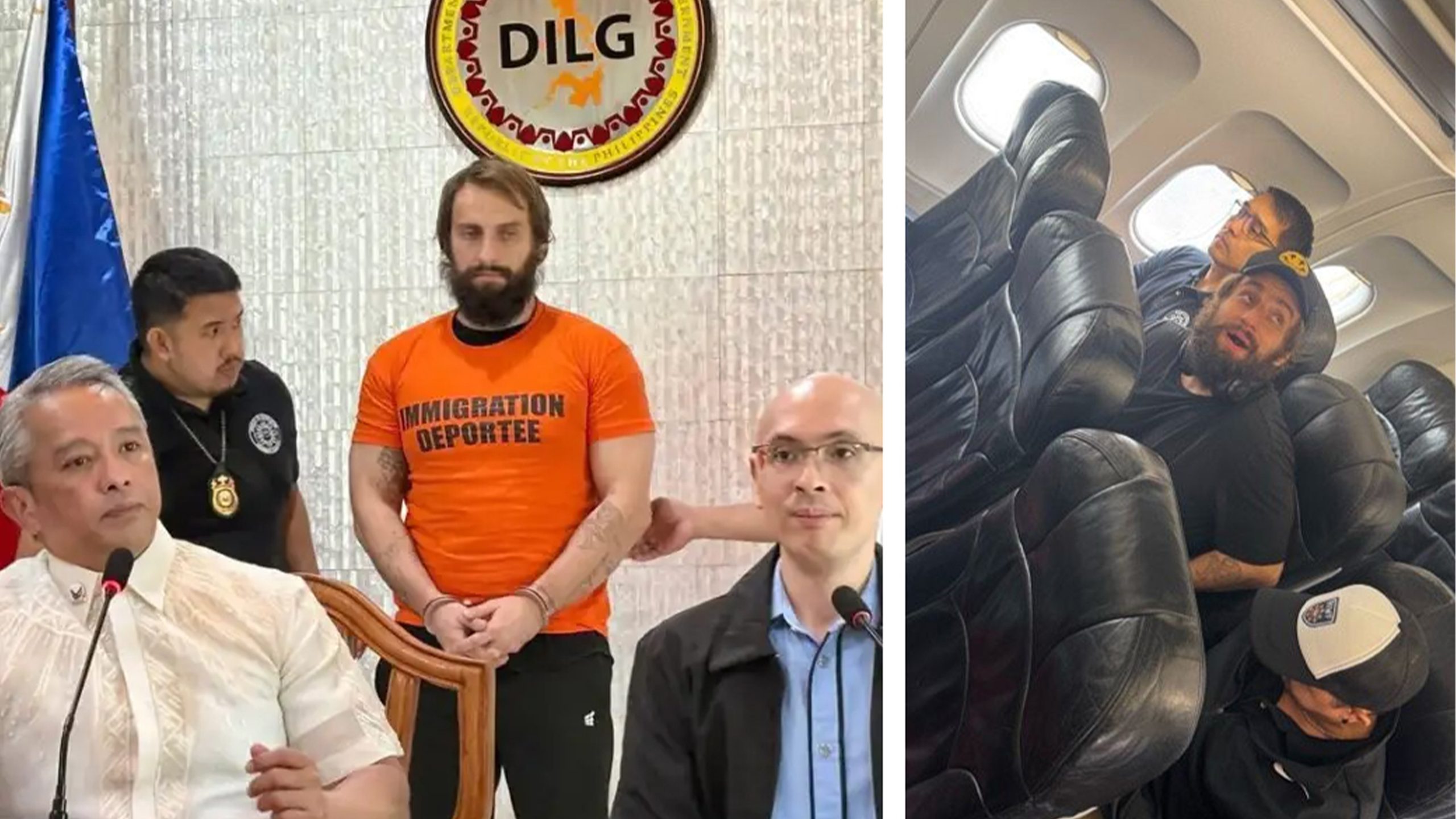
Vitaly Zdorovetskiy deported from Philippines has drawn national attention after the Russian vlogger was arrested and detained for months over harassment complaints linked to his prank videos.
A Russian vlogger known for controversial prank videos has been deported from the Philippines following his arrest and months-long detention linked to harassment complaints, according to immigration authorities. The case has once again raised concerns over public safety, responsible content creation, and the limits of social media pranks in the country.
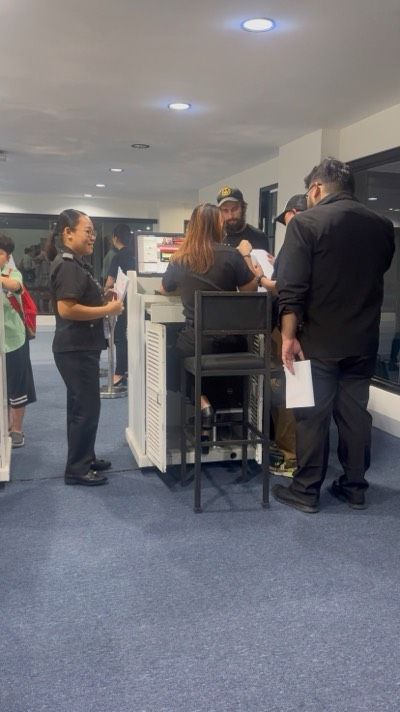
Vitaly Zdorovetskiy was deported back to Irkutsk, Russia on Saturday, January 17, based on information released by the Bureau of Immigration (BI). Authorities said the deportation followed his arrest in April 2025 after multiple complaints were filed against him for acts considered harassing and disruptive, allegedly carried out while filming prank content in public places.
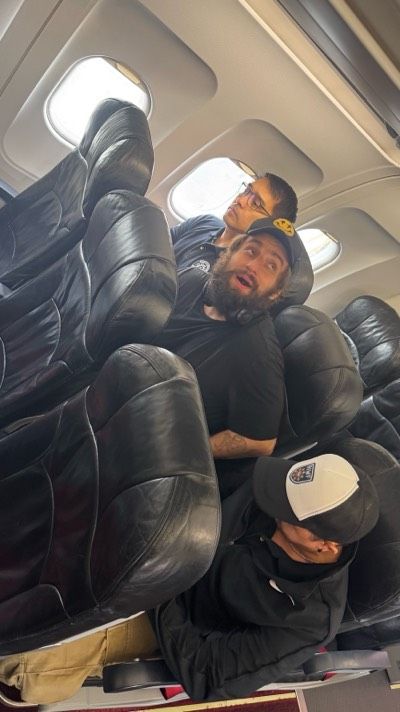
Immigration officials confirmed that Zdorovetskiy had been held in custody for nearly nine months while legal and administrative proceedings were underway. The BI said the decision to deport the foreign national was based on violations of Philippine laws and regulations governing public conduct and the behavior of foreign visitors.
The vlogger, who has built a massive online following through prank-style videos, reportedly drew complaints from individuals who said they were subjected to distress, intimidation, and unwanted interactions during filming. Authorities emphasized that while content creation is not prohibited, actions that endanger, harass, or disturb the public are not tolerated.
Officials reiterated that the Philippines welcomes tourists, digital creators, and foreign nationals, but stressed that visitors are expected to respect local laws, customs, and social norms. “Freedom of expression does not excuse acts that harm or harass others,” an immigration official said in a statement, adding that foreign nationals are held to the same standards of accountability as locals.
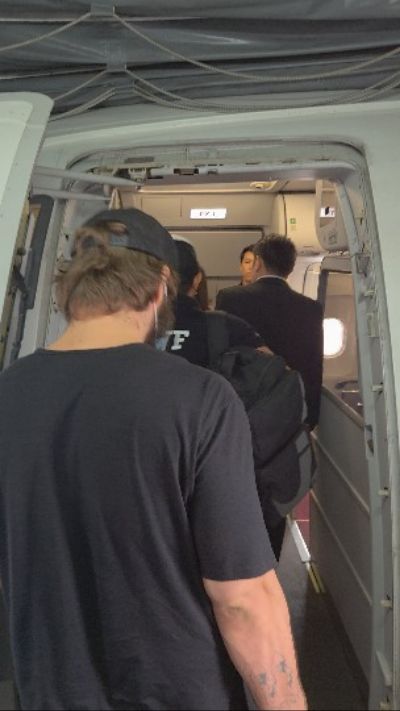
The deportation has sparked renewed discussion online, with Filipinos expressing mixed reactions. Some welcomed the move, saying it sends a strong message that abusive prank content has no place in public spaces. Others pointed to the need for clearer guidelines for foreign content creators operating in the country, especially as social media-driven tourism and influencer activity continue to grow.
Legal experts noted that deportation is a common administrative remedy used by immigration authorities when foreign nationals violate local laws or overstay their welcome due to criminal or civil issues. They added that cases involving influencers and vloggers are becoming more frequent worldwide, as governments grapple with balancing digital freedom and public protection.
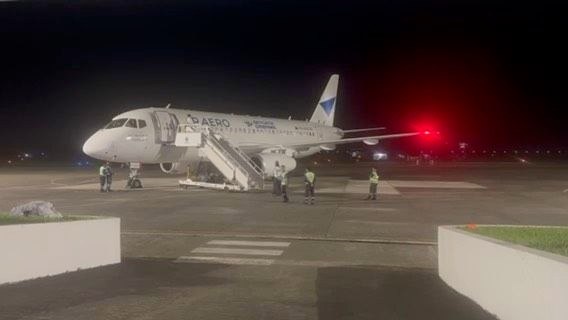
The Bureau of Immigration said Zdorovetskiy has been placed on the immigration blacklist, barring him from re-entering the Philippines unless the ban is lifted through proper legal channels. Authorities also warned other foreign vloggers and tourists that similar actions could lead to arrest, detention, and deportation.
As the influencer economy continues to expand, the incident highlights the growing responsibility of content creators to act ethically and within legal boundaries. Philippine authorities said they will continue monitoring cases involving public disturbances, regardless of whether they are committed for online content or personal gain.
The case serves as a reminder that viral fame does not exempt anyone from the law, and that respect for people and public spaces remains paramount, both online and offline.


 Facebook
 Twitter