
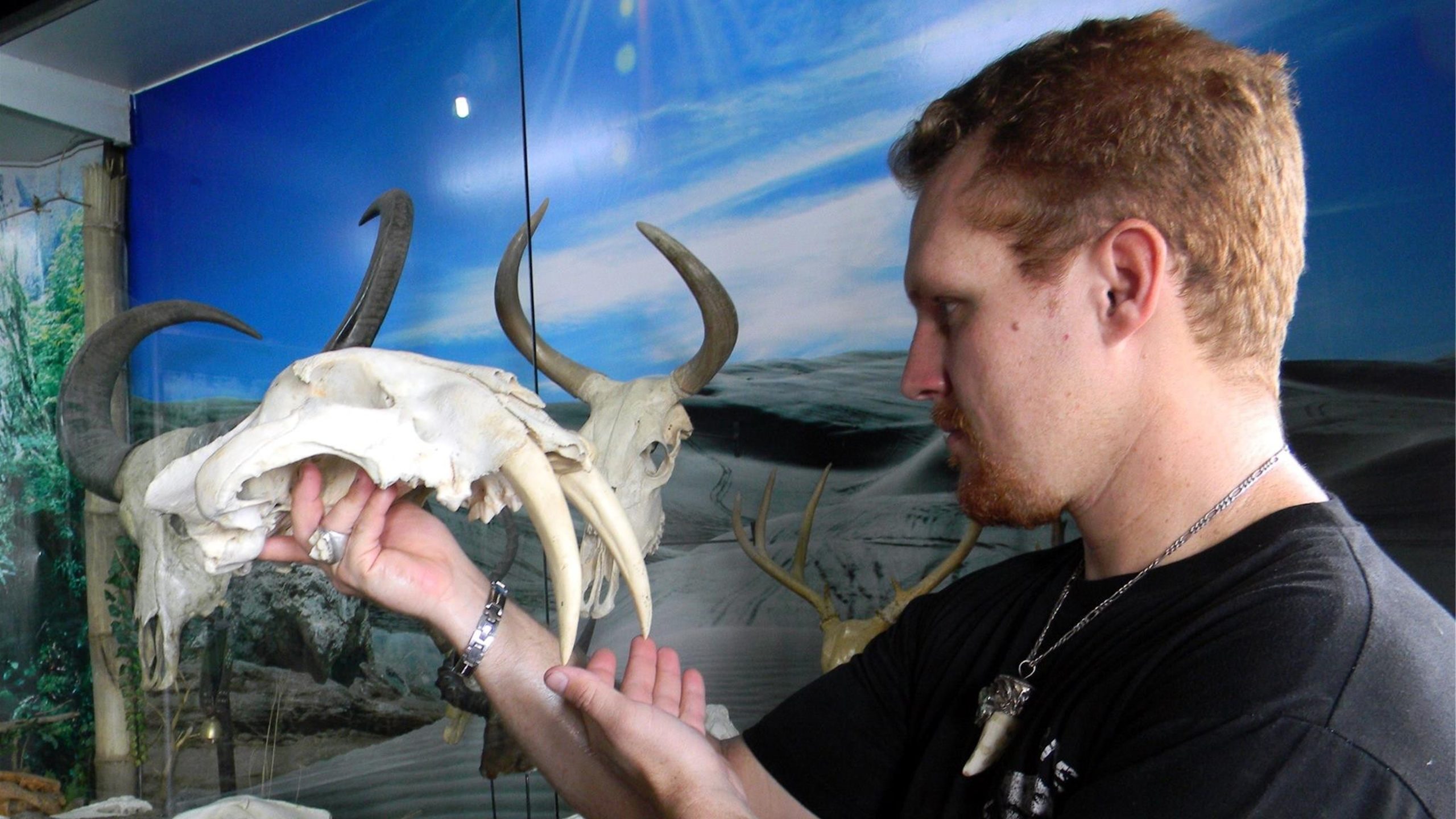
D’Bone Collector Museum, one of Mindanao’s most distinctive cultural and educational attractions, marks its 14th year of promoting environmental awareness, conservation, and sustainable tourism.
On January 28, 2012, Darrell Dean – DD for short – Blatchley inaugurated the D’Bone Collector Museum to the public at San Pedro Extension, commonly referred to as Bucana Barangay 76-A, situated opposite Nograles Park. This unique museum features the largest collection of bones not only in Mindanao but throughout the entire country.
Four months following its opening, the museum received the accolade of Best Museum in Mindanao from the Mindanao Association of Museums. In 2014, it was recognized as the premier destination to visit in Mindanao by Wow Mindanao.
In 2017, the museum finally garnered the attention of the Philippines Travel Tourism Awards. During the awards ceremony held in Manila, it was awarded second place in the unique museum category. In addition, the museum secured a spot in the top 10, making it one of only two destinations in Mindanao to be featured on this prestigious list.
When it opened for the first time, there were only 150 specimens on display. Today, there are about 6,500 kinds of bones and skeletons displayed. Some of these were given by friends and acquaintances from all over the world. But most of them were collected by him.
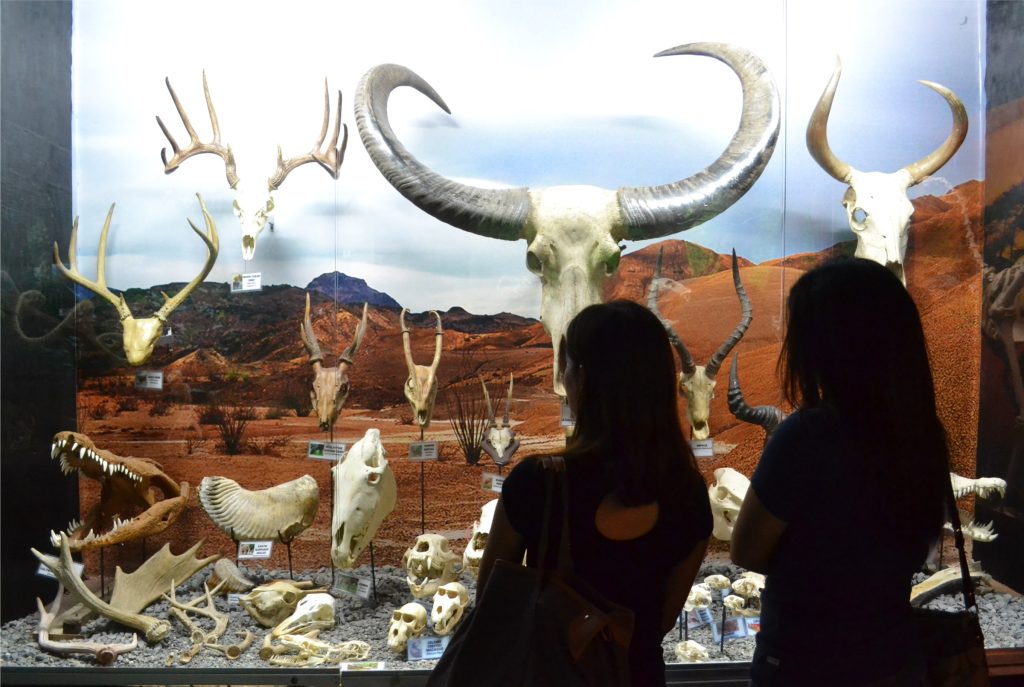
The art of collecting bones may seem unusual; however, DD embarked on this hobby during his teenage years. His intrigue with bones led him to realize that an animal encompasses more than merely its flesh. The bones hold equal significance.
The practice of collecting bones and skeletons is nothing new. Nevertheless, utilizing it as a means to educate individuals about environmental conservation is a different matter altogether. “In my view, bones serve as the ultimate educational resource,” DD says. “There is so much to learn even after death. They reveal the life story of the animal; whether it enjoyed a healthy existence (indicated by robust bones) or faced hardships (evidenced by cracked and deformed bones).”
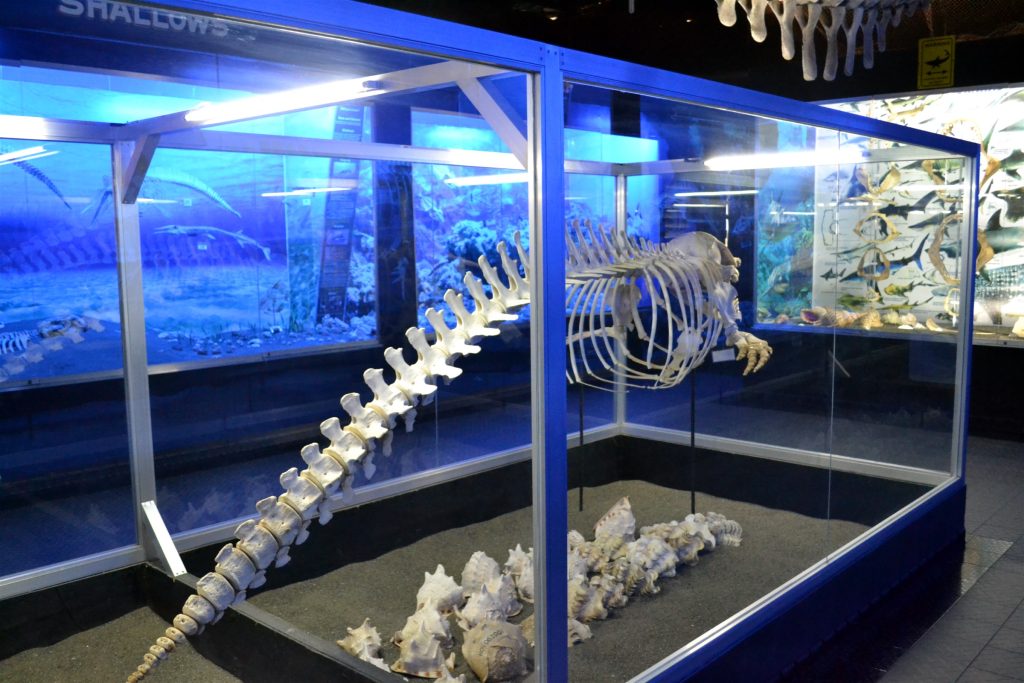
Displayed prominently are the remains of a 41-foot long sperm whale alongside the bones of a Grizzly bear. The collection also includes the bones and skeletons of snakes, tarsiers, marine turtles, various fish species, an array of shark mouth sizes, and numerous birds.
“Every group visiting the museum receives a guided tour regarding the animals featured in each display. One critical aspect we highlight is how certain animals have perished due to human negligence, such as littering in oceans or canals, which ultimately leads to the demise of whales and dolphins,” DD elaborates.
Every animal being displayed in the museum has a story to tell. There’s Mercy, a dwarf sperm whale, which died in a fish net. “She was still alive when the fishermen found her but they killed her thinking she was a shark that got tangled in their net,” DD says. “When she was dead and they realized that she wasn’t something valuable or edible, they threw her back into the sea. When we recovered her, we discovered she was actually pregnant.”
Another one is a false killer whale named Alcoholic, named so because he was found dead with a bottle of alcoholic beverage inside the stomach. Another marine mammal died from a piece of plastic wrapper.
There are some whales and dolphins on display that died due to garbage (mostly plastic like candy wrapper), trapped in fishing nets, dynamite fishing, and loss of food in their habitat.
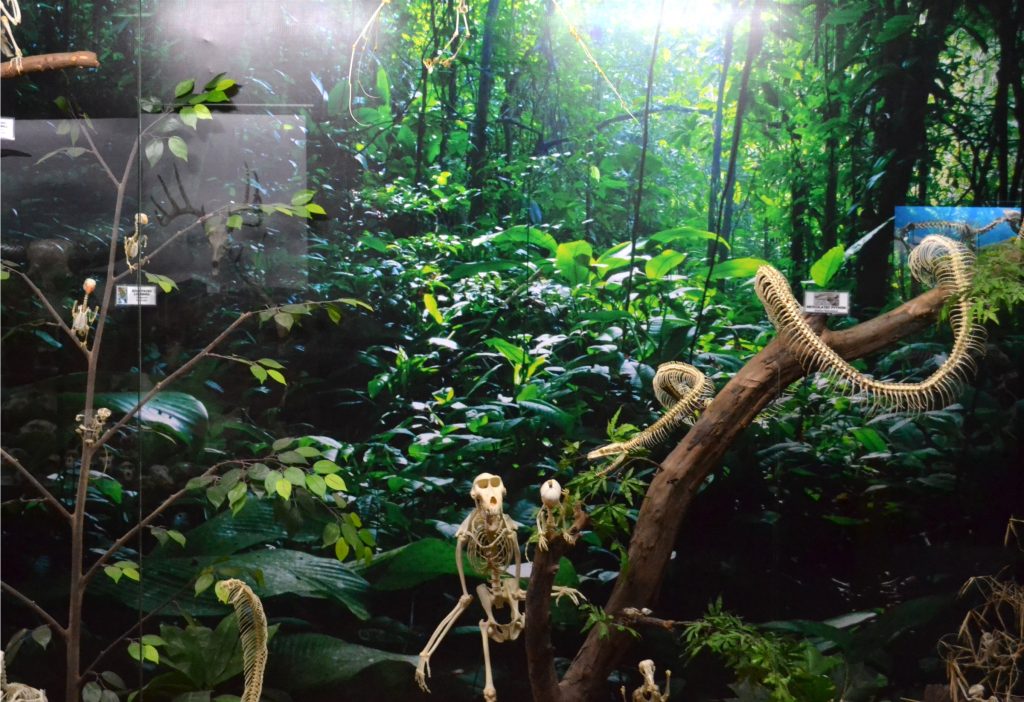
A lot of the animals found in the museum are very seldom seen. “That for me is sad,” DD says. “It is because of human neglect, waste, carelessness, over harvesting, or greed that they are now endangered. I want people to know this fact before these species would be gone forever.”
Awareness campaign is what Darrell is doing. “You don’t have to stop a whaling ship to save one of these animals,” he says. “Just by properly throwing away your garbage, you can save one. It takes only two steps to get to the garbage can or doing nothing by throwing the plastic bag on the ground. By not buying that endangered parrot which the poacher has for sale outside the mall is another. Little things like these that when you add them all make a huge difference.”
DD sees his work with the bone museum may not be as noble as his dad, who is a Christian missionary. “God cares for His animals and we humans should take care of His creations,” he says. “But the most important thing is still our fellow beings. The museum merely teaches us to be good stewards of what is around us.”
In 2015, he was the only non-Filipino to receive the prestigious Datu Bago Award among that year’s recipients. The awardees were recognized for their “outstanding, exemplary and selfless contribution to the growth and development of Davao City through its greatest resources, its people and for their invaluable contribution to the preservation of the Dabawenyo culture heritage.”
“It’s a very high honor,” Darrell says of his Datu Bago Award. “Even if I was not given the award, I will still be doing what I do. But it helps when people and organizations recognize the value of what you have done and that it was and is for the greater good. All the heartaches are worth it.”
When asked for his final words, Darrell says: “Life is a journey full of choices and consequences. We know that what we are doing with this show is not safe. But if it made a positive change for this country and inspired others to take action to protect this great nation and its resources, then we have taken a truly good path.”

 Facebook
 Twitter