
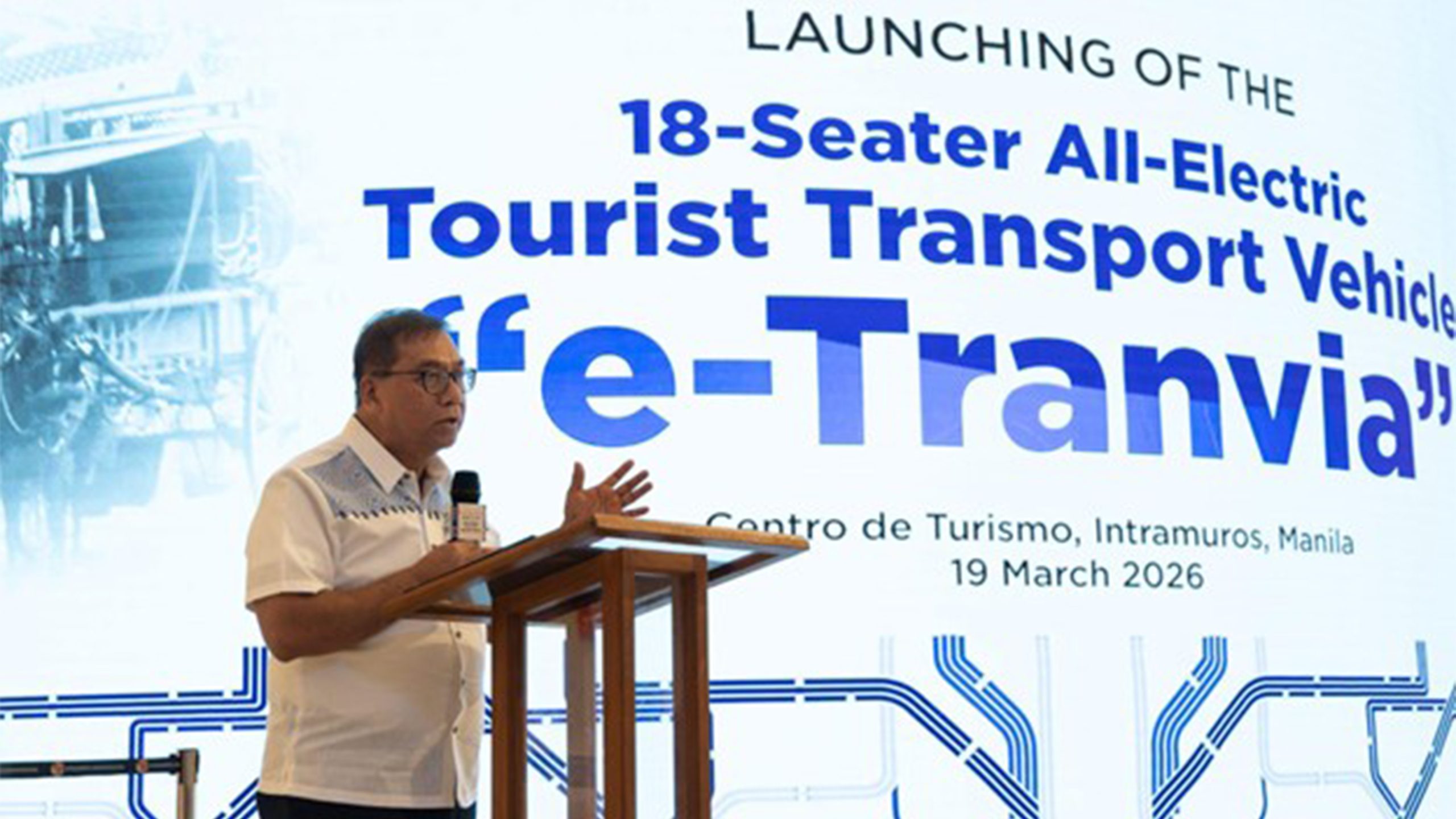
DOST sustainable technology oil crisis response is gaining urgency as the Department of Science and Technology pushes for clean, efficient, and sustainable innovations to address rising fuel costs and nationwide energy disruptions.
To help bridge resilience in times of crisis, such as in an oil-related emergency, the Department of Science and Technology (DOST) officials pushed forward the use of clean, efficient, and sustainable science, technology, and innovation within the country
DOST Secretary Renato U. Solidum Jr., Undersecretary Sancho A. Mabborang, and DOST-Region 3 Director Dr. Julius Caesar V. Sicat reaffirmed, in a virtual flag ceremony on April 6, that the Department “stands at the forefront of the nation’s response” to the disruptions of economies, energy markets, and food systems across the nation.
“They are felt directly by Filipino families through rising fuel prices, increasing cost of basic goods, and vulnerabilities in supply chains. In this context, the role of science, technology, and innovation becomes not only relevant but essential,” Dr. Sicat shared.
Furthermore, Solidum continued to push e-mobility in the center as a clean, efficient, and sustainable solution for the fuel crisis the country is currently facing and is targeting to have at least 10 percent of the transport systems to be electric by 2040.
“By sharing information and demonstrating these technologies (e-vehicles), and encouraging their adoption, we help bring the benefits of science and innovation closer to communities,” Solidum said.
Part of this initiative is the recently launched all-electric e-Tranvia in Intramuros, alongside similar innovations such as the MB Dalaray Electric Ferry in the Pasig River, e-boat in Manila, e-Jeepneys, hybrid electric train on the tracks of the Philippine National Railways, C-trike, and e-trike in various regions across the country.
These technologies are developed through various partnerships with local government units, DOST agencies, and higher education institutions such as Cagayan State University and University of the Philippines Diliman.
Meanwhile, Undersecretary Mabborang explained that these innovations are not only timely but are necessary. “They reduce our dependence on important fuel, promote sustainability, and open new opportunities for the local industries.”
Solidum also underscored that smart agriculture should also be guarded amid the ongoing fuel conflict and must lean on using organic fertilization in response to the decreasing supply of inorganic sources.
The DOST currently has innovations to improve harvest and productivity in agriculture, including Smarter Approaches to Reinvigorate Agriculture as an Industry (SARAI), climate-resilient crops, and precision farming technologies.
Moreover, other than energy conservation, energy security remains a pressing concern, revealing the nation’s dependence on imported fuel, hence Dr. Sicat’s advocacy to subscribe to renewable energy.
“This (fuel crisis) underscores the need to accelerate research and deployment of renewable energy solutions. By advancing solar, wind, and other sustainable technologies, we help reduce vulnerability to external shocks while empowering communities with reliable and affordable energy,” the regional director said.
Meanwhile, Solidum also discussed the importance of intellectual property rights of such technologies and human creativity to continue inspiring progress, benefit for the society, and providing real-world solutions to problems in light of the National Intellectual Property Month.
“Whether it is a new technology, a scientific discovery, or an innovative process, protecting and managing intellectual property allows Filipino innovators to bring their ideas forward, creating opportunities, strengthening industries and enterprises, and most importantly, improving lives,” the secretary emphasized.
The clean and sustainable technologies funded and/or developed by the Department of Science and Technology (DOST) are part of the initiatives of the agency aimed at providing science-based, innovative, and inclusive solutions across four strategic pillars: human well-being, wealth creation, wealth protection, and sustainability. These pillars embody the mantra OneDOST4U: Solutions and Opportunities for All.

 Facebook
 Twitter