
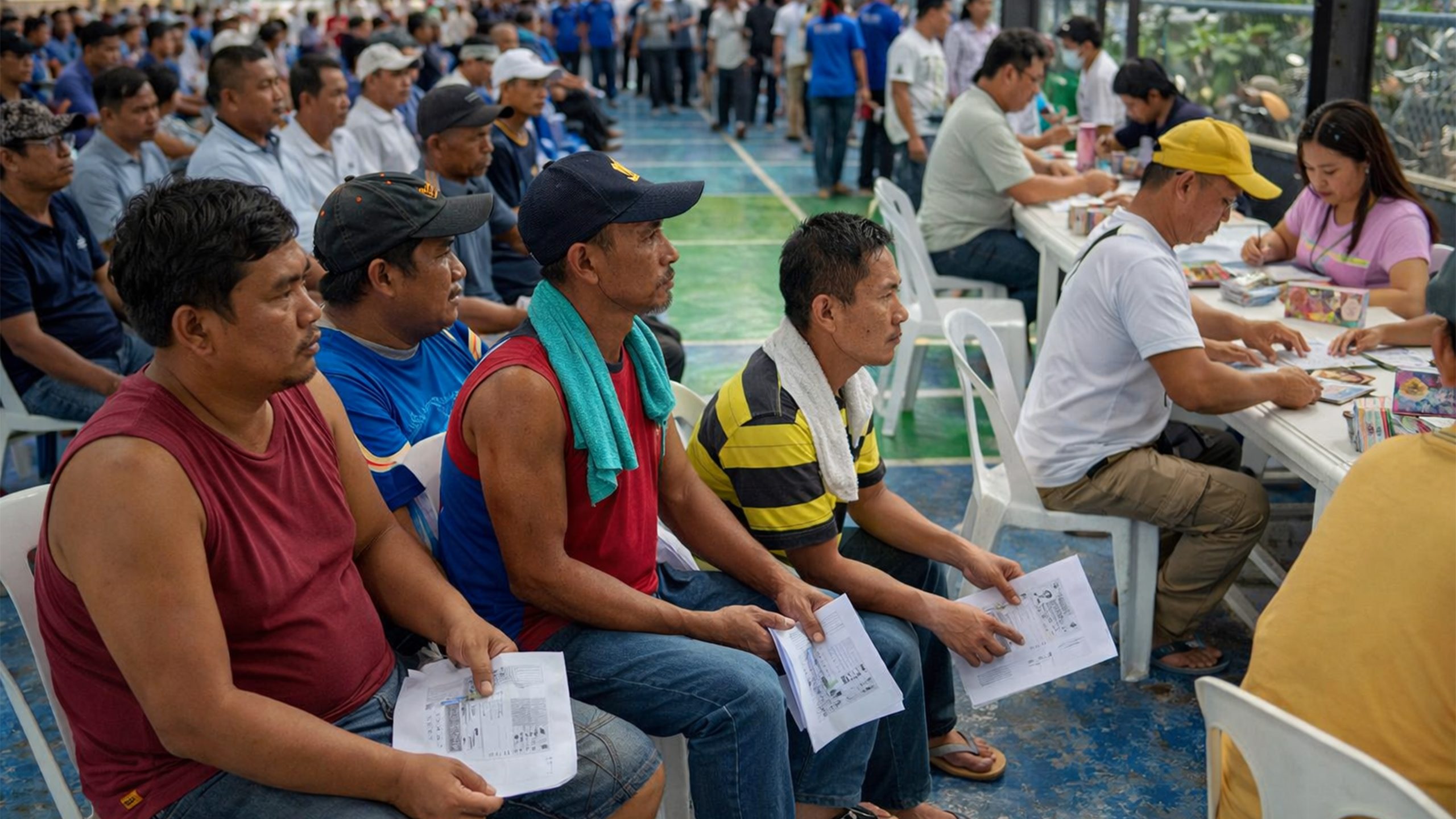
Fuel subsidy Philippines program is set to expand as more transport workers will begin receiving financial assistance starting April 6, a move aimed at easing the burden of rising fuel costs across the country.
The government is set to widen its fuel subsidy program to include more transport sectors starting April 6, a move seen as a critical response to sustained fuel price pressures that continue to affect both operators and commuters nationwide.
President Ferdinand Marcos Jr. confirmed that additional transport groups will begin receiving financial assistance next month, signaling an expansion of existing support measures initially rolled out for select sectors. The announcement comes as global oil price volatility continues to influence domestic pump prices, raising concerns across the transportation industry.
In a public briefing released on Sunday, Marcos assured that the government is committed to extending aid to those heavily affected by rising fuel costs. “Hindi kayo maiiwanan,” he said, emphasizing that transport workers outside earlier subsidy coverage will now be included in the program.
The subsidy expansion follows earlier disbursements made through coordination between the Department of Transportation (DOTr) and the Department of Social Welfare and Development (DSWD). Previous assistance efforts focused on public utility vehicle (PUV) drivers, including jeepney and bus operators, who were among the hardest hit by fuel price increases.
Officials said the upcoming rollout will extend benefits to additional groups within the transport sector, though specific categories and allocation mechanisms are expected to be clarified closer to the implementation date. Local government units are also anticipated to play a role in identifying beneficiaries and facilitating distribution.
The subsidy program is part of broader government efforts to cushion the impact of external economic factors, including fluctuations in global oil markets. Analysts have noted that geopolitical developments and supply constraints continue to drive fuel prices, affecting transportation costs and, indirectly, the prices of goods and services.
Observers pointed out that while fuel subsidies provide immediate relief, they also raise questions about long-term sustainability and the need for structural solutions. Some netizens expressed support for the expansion, saying it could help stabilize transport fares and reduce the burden on drivers. Others, however, raised concerns about how beneficiaries will be selected and whether the assistance will be sufficient amid continued price increases.
Transport groups have repeatedly called for expanded aid, citing reduced earnings and higher operational costs. Many drivers have reported struggling to balance daily expenses, especially as fuel prices remain unpredictable. The subsidy expansion is expected to address some of these concerns, at least in the short term.
Economic experts emphasize that targeted subsidies can help mitigate inflationary pressures but must be paired with broader strategies, such as improving fuel efficiency, diversifying energy sources, and strengthening public transportation systems. They also highlight the importance of transparency and timely distribution to ensure that assistance reaches intended recipients.
The April 6 rollout marks the latest step in the government’s response to rising fuel costs, reflecting an ongoing effort to support a sector that plays a vital role in the country’s economy. As implementation approaches, attention is expected to focus on how effectively the expanded subsidy program will deliver relief to transport workers and whether it can keep pace with evolving fuel price trends.


 Facebook
 Twitter