
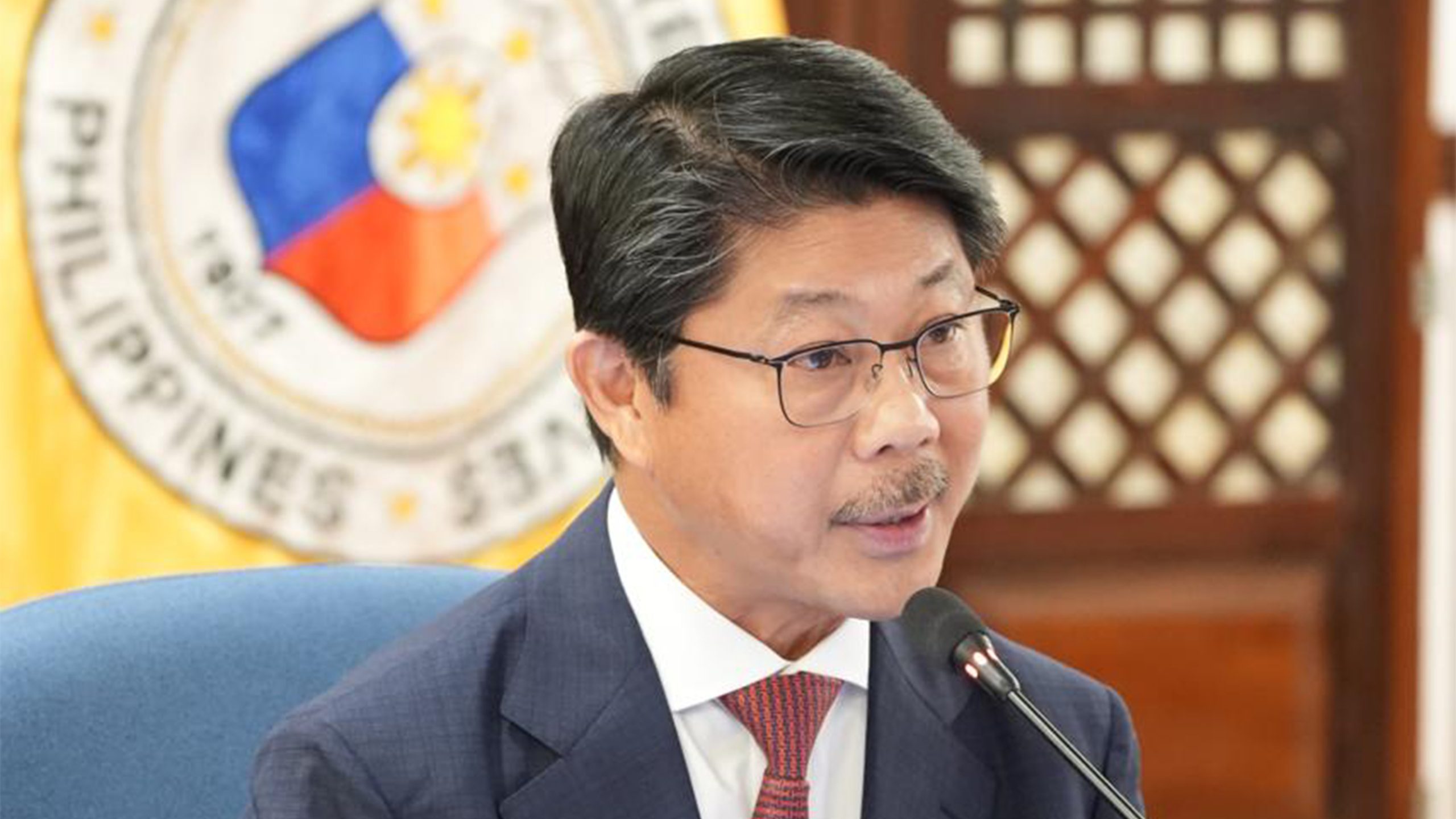
Infrastructure funding delays Philippines are drawing renewed concern after House Speaker Martin Romualdez “Bojie” Dy warned that slow budget releases could disrupt project timelines and reduce the impact of government spending on communities.
Dy raised the issue following reports that certain infrastructure allocations have yet to reach implementing agencies on schedule, a situation that could stall ongoing and planned projects. The lawmaker emphasized that while funding may be approved on paper, its delayed disbursement diminishes its real-world impact, particularly for communities awaiting development.
“It will mean nothing if the resources for the people do not reach them on time,” Dy said, underscoring the urgency of efficient fund distribution. He also directed his message to the Department of Budget and Management (DBM), adding, “Bilis-bilisan ninyo,” calling for quicker processing and release of funds.
The timing of Dy’s remarks is significant, as infrastructure spending has long been positioned as a key driver of economic growth in the Philippines. Government data in recent years has shown that public construction projects contribute not only to job creation but also to improved connectivity and local development. However, these benefits rely heavily on timely execution, which is directly tied to the availability of funds.
Observers note that delays in budget releases can stem from a variety of factors, including administrative bottlenecks, compliance requirements, and coordination gaps among agencies. While safeguards are necessary to ensure proper use of public funds, prolonged processes may inadvertently slow down project implementation.
Online discussions following Dy’s statement reflected a mix of concern and frustration. Some netizens pointed out that delays in infrastructure projects are not new, citing past instances where communities waited months or even years for completion. Others emphasized the need for stronger accountability mechanisms within government agencies to prevent recurring issues.
The issue also highlights broader questions about fiscal efficiency and governance, especially as the country continues to invest heavily in infrastructure under long-term development programs. Analysts suggest that improving coordination between budgeting and implementing bodies could help minimize delays and ensure that approved projects move forward as planned.
Historically, infrastructure spending in the Philippines has been closely monitored due to its impact on both national and local economies. From road networks to flood control systems, timely project completion is often linked to improved public services and disaster resilience. Any disruption in funding flow can therefore have cascading effects on communities and industries alike.
As discussions around government spending efficiency continue, Dy’s remarks bring renewed attention to the importance of not just allocating funds, but ensuring their prompt and effective use. With several major projects underway, the pressure remains on agencies to streamline processes and deliver results within expected timelines.
Moving forward, the issue of delayed fund releases may remain under scrutiny, particularly as stakeholders call for reforms that balance accountability with efficiency in public spending.


 Facebook
 Twitter