
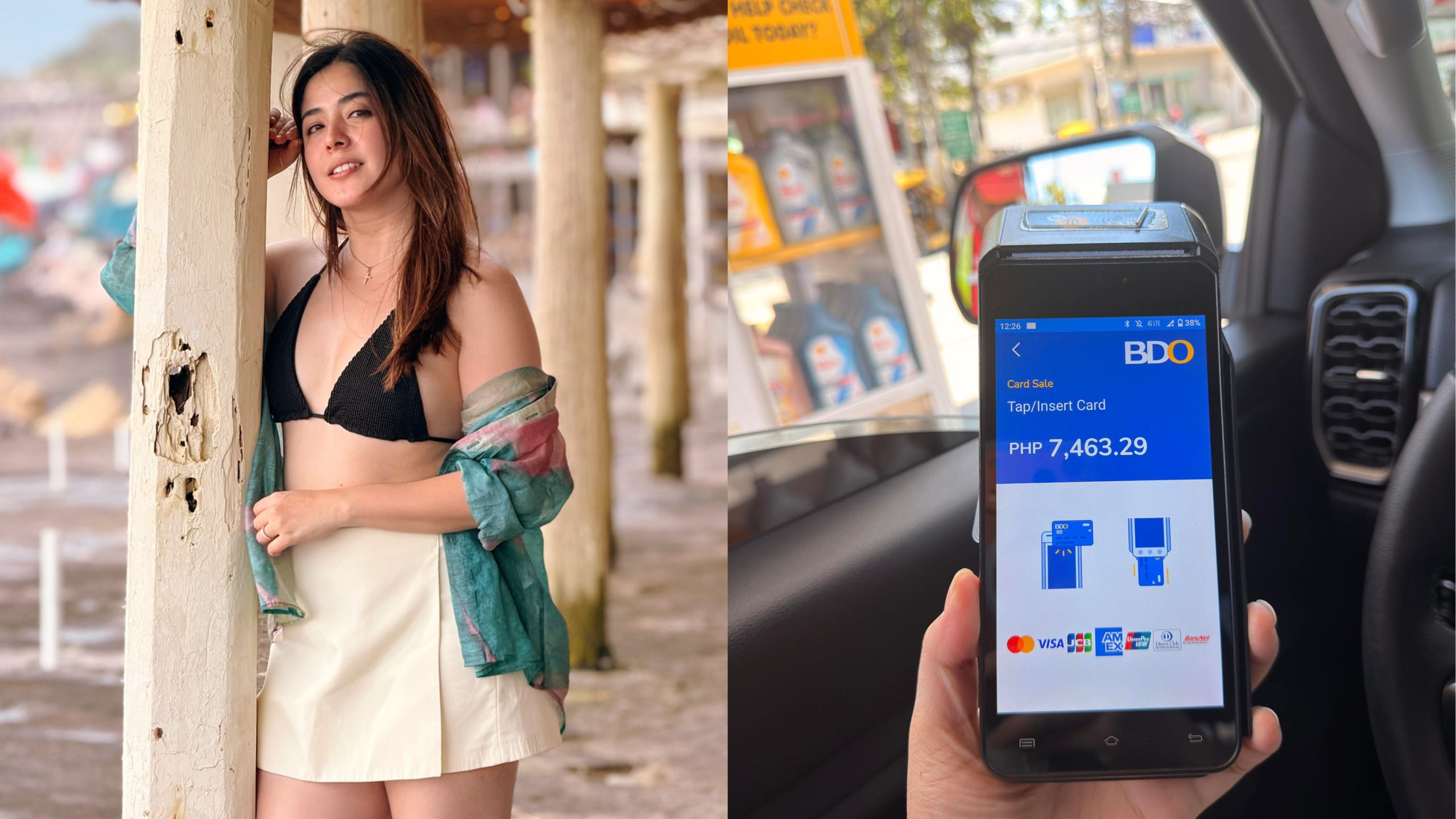
Oil price hike Philippines concerns are gaining renewed attention after a viral social media post revealed how rising fuel costs are affecting everyday spending, with a single full tank now reaching over ₱7,000 for some motorists.
Rising fuel costs in the Philippines have once again drawn public attention after TV personality Shaira Diaz shared a recent fuel expense exceeding ₱7,000, sparking widespread discussion online about the real impact of oil price hikes on everyday consumers.
Diaz’s post, uploaded on March 20, showed a payment terminal displaying a total of ₱7,463.29 for fuel. In her caption, she expressed surprise at how much she spent compared to previous years. “Ramdam na ramdam ko na ang #OilPriceHike! WOW! Dati nasa 3700–4k lang ang full tank ko. Nabulaga ako!” she wrote, noting that her usual fuel cost had nearly doubled.
The post quickly gained traction, accumulating thousands of reactions and comments. Many netizens echoed her concerns, sharing similar experiences of increased fuel expenses in recent months. Others pointed out that rising fuel prices continue to affect not only private vehicle owners but also public transport drivers and delivery workers who rely heavily on daily fuel consumption.
In a follow-up comment, Diaz added, “Anlala talaga. Pang grocery na ’to eh,” comparing the cost of a full tank to a typical household grocery budget. The remark resonated with online users, with some highlighting how fuel expenses are increasingly competing with basic needs in family budgets.
Observers noted that while fluctuations in global oil prices are not new, the visibility of such personal accounts helps bring attention to how price increases are felt at the household level. Online discussions raised questions about how sustained fuel hikes could further affect inflation, transportation fares, and the cost of goods.
According to industry monitoring, fuel prices in the Philippines are influenced by international crude oil movements, exchange rates, and local taxes. Weekly adjustments by oil companies often reflect global supply and demand conditions, including geopolitical developments and production changes among major oil-exporting countries.
Economists have long warned that higher fuel prices can have a ripple effect across multiple sectors. Transportation costs may rise, which in turn can lead to increased prices of goods and services. This chain reaction can disproportionately affect low- to middle-income households.
Some netizens pointed out that while private vehicle owners feel the immediate impact at fuel stations, commuters may also face indirect effects through higher fares. Others emphasized that small businesses, particularly those dependent on logistics and delivery, may also struggle to absorb rising operational costs.
Despite the viral attention, experts caution that individual experiences may vary depending on vehicle type, fuel consumption, and driving habits. However, they agree that the broader trend reflects ongoing economic pressures linked to global energy markets.
The renewed online conversation underscores a familiar concern among Filipinos: balancing daily expenses amid fluctuating fuel prices. As discussions continue, Diaz’s post serves as a relatable snapshot of how macroeconomic changes are being felt in everyday life, highlighting the growing importance of energy costs in household budgeting.


 Facebook
 Twitter