
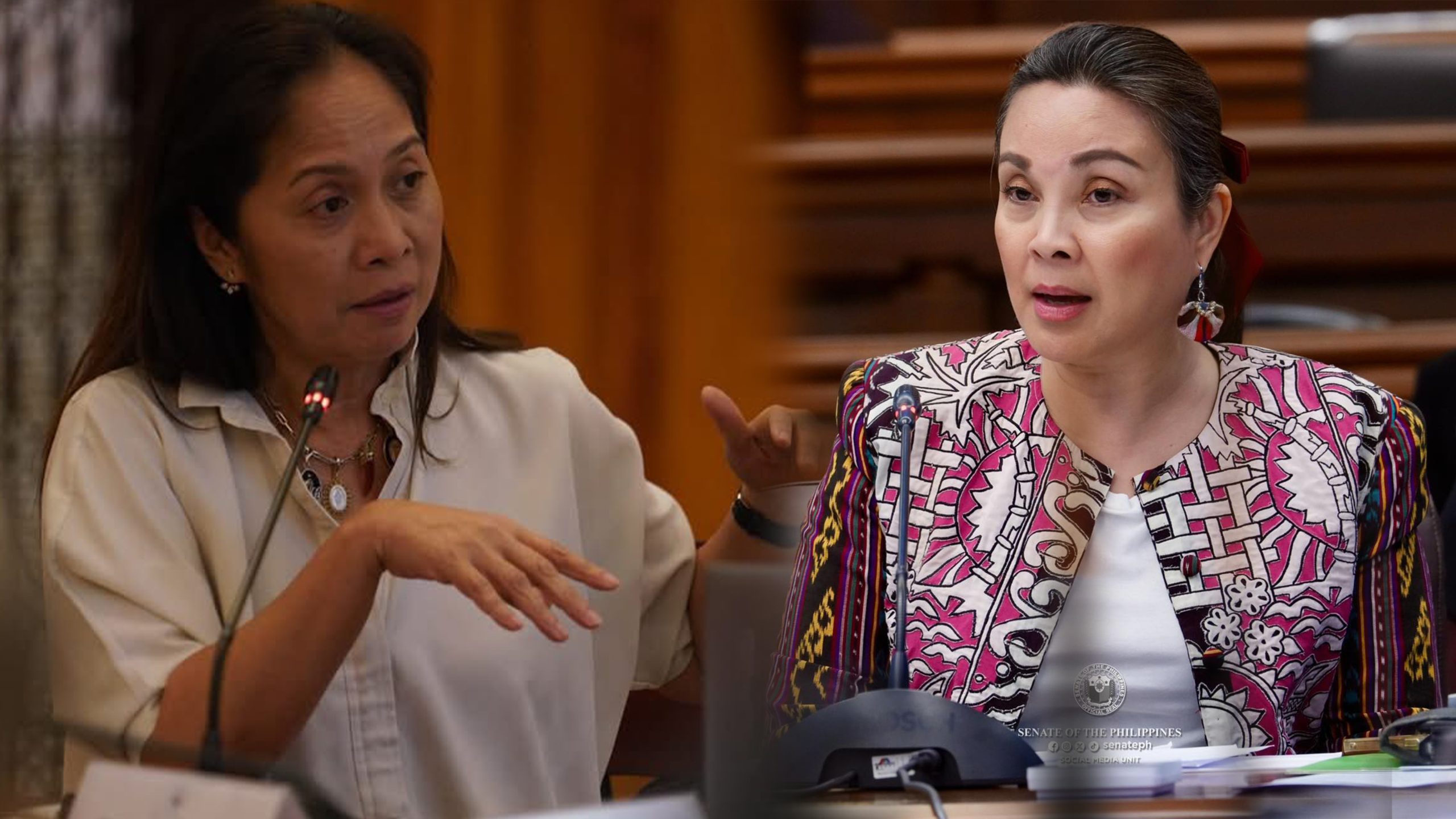
PNOC funds delay Philippines issue has drawn sharp attention after Senator Loren Legarda questioned the Department of Energy over delays in accessing billions in state energy funds, warning that slow action could worsen the impact of rising oil prices linked to tensions in the Middle East.
Legarda DOE PNOC funds issue takes center stage after Senator Loren Legarda raised concerns over delays in accessing billions in state energy funds, warning that slow government action could worsen the impact of rising oil prices linked to tensions in the Middle East.
The issue surfaced during a Senate ad hoc committee hearing focused on mitigating the effects of global instability on the Philippines’ energy sector. Lawmakers pressed officials from the Department of Energy (DOE) on contingency measures, particularly as oil prices continue to fluctuate amid ongoing geopolitical tensions.
During the hearing, Energy Undersecretary Alessandro Sales informed the panel that funds from the Philippine National Oil Company (PNOC), estimated between ₱8 billion and ₱10 billion, could not be utilized without congressional approval. However, Congress is currently on session break, delaying the process.
“Initial request it should be P8 billion to P10 billion… these are funds in the PNOC but need congressional action para marelease,” Sales told the committee, noting that letters had already been sent to relevant lawmakers.
Legarda, however, questioned the explanation and stressed that urgent matters should have been elevated earlier to prevent delays. She emphasized that the Senate would not have gone on break if such a critical request had been formally communicated as urgent.
“It is important that the people know that letters are not sitting in the Senate without action. We would know if there is a letter that is deemed urgent,” the senator said.
The lawmaker also pointed out that the absence of the DOE secretary during the hearing raised concerns, especially given the gravity of the situation. She noted that while the department had been pushing for other policy measures, such as biofuel initiatives, immediate concerns over fuel supply and pricing should have been prioritized.
“Kung alam naming urgent ito, hindi kami magbe-break. That’s unfair,” Legarda added, rejecting any implication that the Senate’s recess caused the delay in fund utilization.
In a more pointed remark, Legarda criticized the leadership of the DOE, saying the agency appeared to be distracted. “Kung anong pamumulitika ang ginagawa na naman ng Secretary n’yo,” she said, reflecting her frustration during the exchange.
DOE Secretary Sharon Garin later arrived at the hearing after Senate Energy Committee chair Senator Win Gatchalian underscored the importance of her presence. Lawmakers expected the energy chief to directly address concerns and outline concrete contingency plans, particularly as the energy sector remains among the most vulnerable to global disruptions.
The situation highlights broader challenges in government coordination during periods of international crisis. The Middle East, a major source of global oil supply, has historically influenced fuel prices in the Philippines, making timely policy response critical to cushioning economic impact.
Observers noted that the delay in accessing PNOC funds could have implications for fuel stabilization efforts, especially if global prices continue to rise. Some netizens also questioned whether bureaucratic processes are slowing down urgent interventions, while others stressed the need for clearer communication between the executive and legislative branches.
As discussions continue, lawmakers are expected to push for more responsive mechanisms that allow quicker access to emergency funds without compromising oversight. The outcome of these deliberations may shape how the government responds not only to the current crisis but to future disruptions affecting the country’s energy security.

 Facebook
 Twitter