
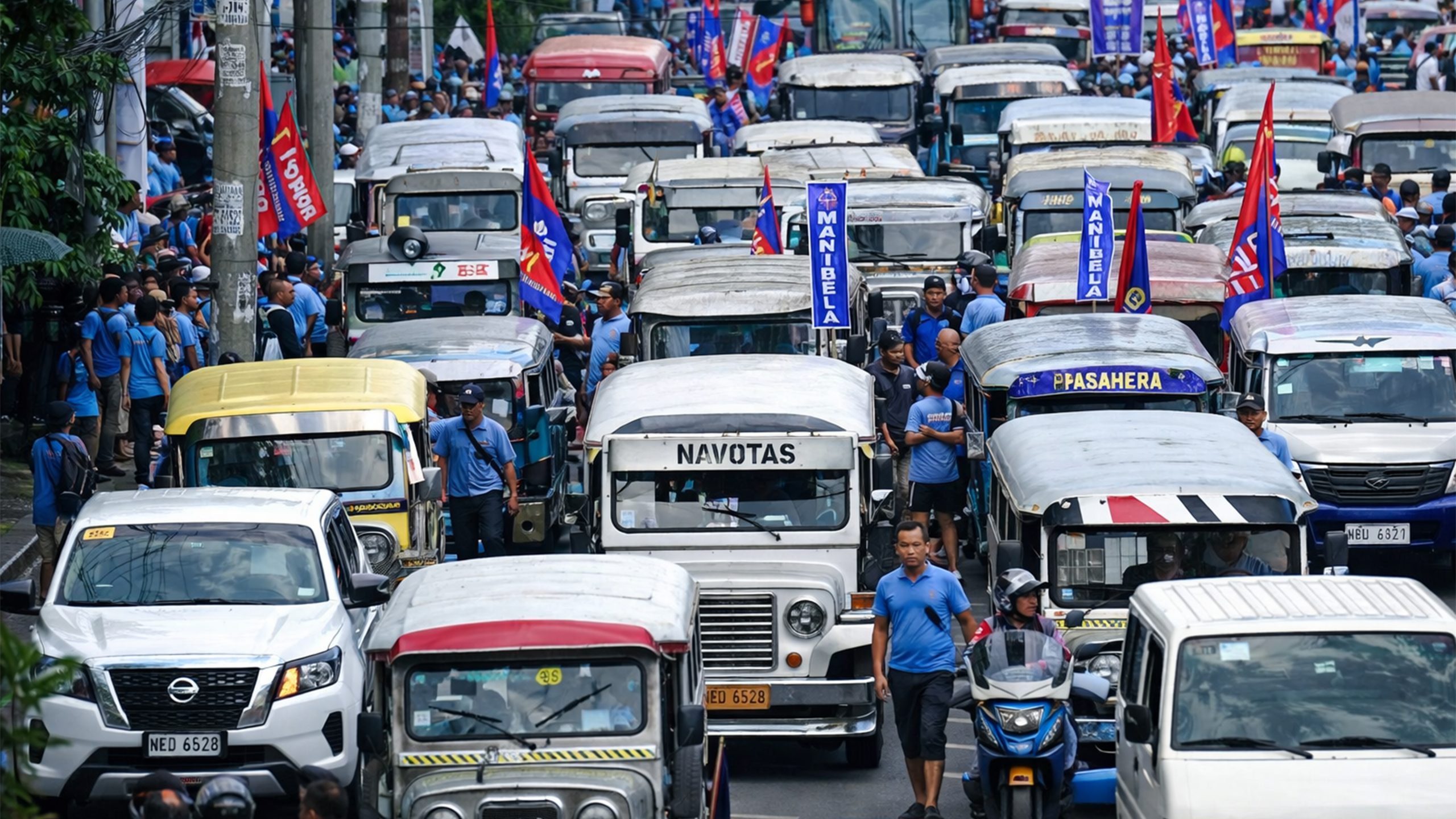
Transport fare hike suspension takes effect following a directive from President Ferdinand Marcos Jr., aiming to ease the financial burden on commuters amid continued increases in fuel prices.
MANILA — President Ferdinand Marcos Jr. has directed the Department of Transportation (DOTr) to suspend the planned increase in public transport fares, citing the need to protect commuters from additional financial burden as fuel prices continue to fluctuate.
The directive comes amid ongoing global tensions affecting oil supply, which have led to rising petroleum prices. Despite these developments, the President said it is not the right time to implement fare hikes that would directly impact millions of Filipinos who rely on daily public transportation.
In a statement, Marcos emphasized the importance of balancing the interests of transport operators and the commuting public. He acknowledged that while fuel price increases pose challenges for drivers and operators, the government must also consider the economic strain on passengers, particularly those from low- and middle-income sectors.
The Department of Transportation is expected to review the current fare matrix and explore alternative measures to support transport groups without immediately passing on costs to commuters. Among the options being considered are fuel subsidies, targeted financial assistance, and operational efficiency programs aimed at reducing expenses for public utility vehicle operators.
Transport groups have previously petitioned for fare adjustments to offset the rising cost of fuel and maintenance. However, government officials said any decision on fare hikes must undergo careful evaluation to ensure that it does not disproportionately affect the riding public.
Economic analysts note that transport costs are a key driver of inflation, as increases in fares can lead to higher prices of goods and services. By suspending the fare hike, the administration aims to help stabilize consumer spending and prevent further economic pressure on households.
Meanwhile, commuter groups welcomed the move, saying it provides temporary relief amid increasing living costs. Some, however, also pointed out the need for long-term solutions that address both the welfare of drivers and the affordability of public transportation.
The DOTr is expected to hold consultations with stakeholders, including transport operators, drivers, and commuter representatives, to assess the situation and recommend sustainable policies moving forward.
Government officials reiterated that the suspension is not necessarily permanent but will remain in place while authorities monitor fuel price trends and broader economic conditions. They added that any future adjustments would be based on data and guided by the goal of maintaining a fair balance between all sectors involved.
As discussions continue, the administration is under pressure to implement measures that will ensure both the viability of the transport sector and the protection of commuters’ welfare. The outcome of these efforts will play a significant role in shaping transport policies in the months ahead.


 Facebook
 Twitter