
Wetlands loss has become a growing environmental concern as natural ecosystems disappear due to development, climate change, and human activity.
“To protect wetlands is to invest in the future, ensuring the vitality of our planet for generations to come.” — E. O. Wilson
***
Two years ago, I visited my two sisters in the United States. My sister Marilou, who now lives in Florida, took me to a subdivision where her new home with her husband David was under construction. I observed there was a large round hollow being developed nearby.
“That’s actually a pond, Manoy,” she explained. “It serves as a reservoir for rainwater during heavy downpours in the area.”
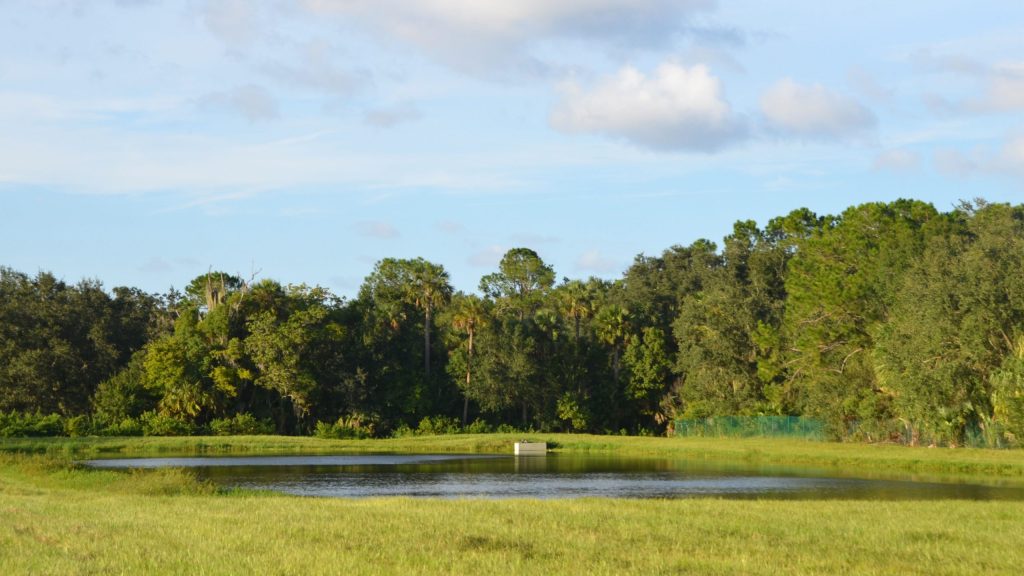
Essentially, the pond will later on become a sort of lake, a form of wetland.
Paul A. Keddy, author of Wetland Ecology: Principles and Conservation, defines wetland as “an ecosystem that arises when inundation by water produces soil dominated by anaerobic processes which, in turn, forces the biota, particularly rooted plants, to adapt to flooding.”
A patch of land that develops pools of water after a rain storm would not be considered a “wetland,” even though the land is wet. Specifically, wetlands are characterized as having a water table that stands at or near the land surface for a long period each year to support aquatic plants.
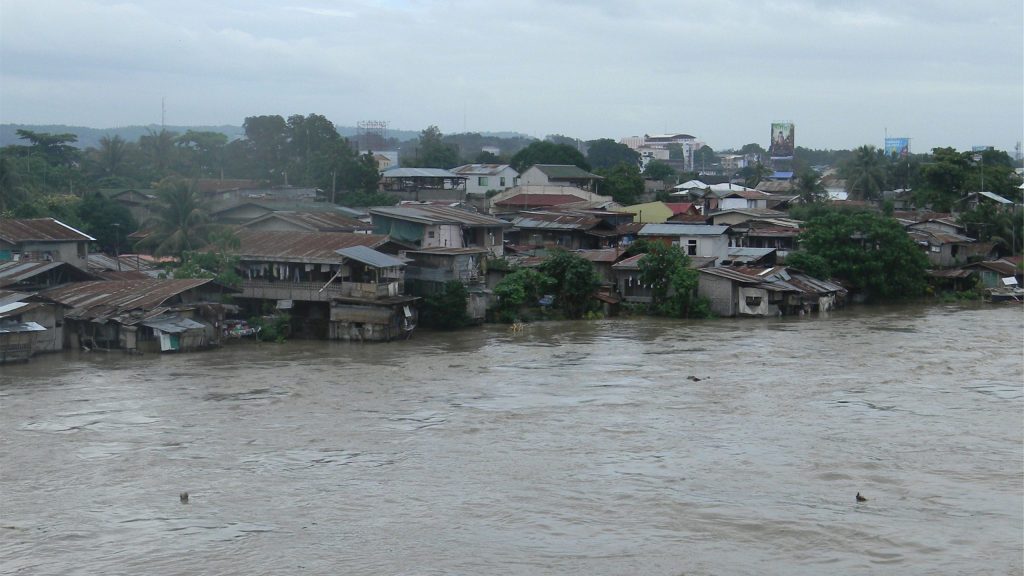
In simpler terms, wetlands occur where water meets land. They include mangroves, peatlands and marshes, rivers and lakes, deltas, mudflats, lagoons, floodplains and flooded forests, rice-fields, and even coral reefs.
In the Philippines, instead of protecting our natural wetlands, we are converting them into residential subdivisions, shopping malls, and roadways. Consequently, the absence of these wetlands leads to flooding in the affected areas during periods of heavy rainfall. This situation is currently evident in Davao City.
“The loss of urban wetlands in Davao City is one of the contributing factors to flooding during heavy rains and other weather disturbances,” wrote Rudolph Ian Alama, Davao regional editor of the Philippine Information Agency (PIA).
Alama’s source of information was Lemuel Manalo, who authored a study about Davao City wetlands entitled Land Use Change of Wetlands in Davao City. He is the program coordinator of environmental group IDIS (Interfacing Development Interventions for Sustainability).
According to the report, the rapid urbanization of Davao City has led to a significant reduction of 95% in its urban wetlands since the 1940s. Data from the United States Army in 1944 showed the city had 471 hectares of wetlands; by 2002, this area had decreased to 84.55 hectares, and a study conducted in 2021 revealed that the urban wetlands had further diminished to just 24.46 hectares.
During the 1970s, 1980s, and 1990s, Davao City’s economy experienced substantial growth, which was accompanied by an increase in its population, resulting in the expansion of its settlements. This has caused wetlands to decrease considerably.
Manalo emphasized the vital importance of wetlands for Davao City, as they serve to retain surface water during monsoon seasons and guarantee water supply during periods of drought. In addition, wetlands play a significant role in flood management by absorbing surplus water, thereby safeguarding adjacent communities from flooding.
“Our numerous riverways and waterways were overlooked in planning efforts in the past, resulting in heightened vulnerability for many communities,” Manalo pointed out.
Alama wrote several wetlands that were apparent in the past but they are no longer visible these days. One such wetland was situated in Matina, the first barangay outside of the city proper to the south. “We have several wetlands in Matina, and they came from the previous floodplains of the Davao River,” Manalo told Alama.
The Matina section of the Matina River is characterized by its low elevation prior to reaching the Shrine Hills. In contrast, the Shrine Hills region is situated at a higher altitude with a steep gradient, which typically indicates the presence of wetlands in such geological formations.
Manalo further noted that the historical path of the Davao River meandered through the Matina region, suggesting that “maybe in the 18th or 19th century the river once passed through that area.”
He also told Alama about the existence of wetlands that function as a catchment area for Shrine Hills, specifically highlighting the wetland located in Juna Subdivision within the Jaroda compound; another wetland adjacent to the Alexian Brothers; a wetland within Davao Global Township; and a wetland situated in Coca Village.
So, it’s not surprising at all that huge floods would occur in the area. A pertinent example is the recent flooding that primarily impacted the Talomo and Baguio Districts, leading to the overflow of the Talomo and Matina Rivers last January 4. The main bridges spanning the Matina River became impassable due to the significant depth of the floodwaters, resulting in a crisis for residential areas situated along Matina Pangi, Matina Crossing, and Matina Aplaya.
Several factors were cited but one of the contributing factors of the flooding, according to IDIS, was the “lack of wetlands along the midstream and downstream sections of the Matina River.”
“Wetlands act as natural sponges, absorbing and slowing water flow during excessive rainfall,” IDIS explained in a statement. “The degradation or absence of these critical ecosystems limits the river’s ability to manage surges in water volume. As a result, heavy rain upstream leads to a more rapid and severe overflow in downstream areas like Matina, where there are no wetlands to help mitigate the impact.”
Wetlands are a natural buffer during extreme weather, says the Biodiversity Management Bureau (BMB) of the Department of Environment and Natural Resources (DENR). “They store heavy rainfall during storms, which reduces flooding and delays the onset of droughts,” it states.
Wetlands cover only around 6% of the Earth’s land surface, the United Nations claims. Surprisingly, 40% of all plant and animal species live or breed in wetlands. “Wetlands are home to more than 100,000 freshwater species,” BMB says. “They are essential for many amphibians, reptiles and migratory birds.”
“Wetlands are vital for humans, for other ecosystems and for our climate, providing essential ecosystem services, such as water regulation, including flood control and water purification,” the UN states.
More than a billion people across the world depend on wetlands for their livelihoods. “About 1 in 8 people make their livelihoods from wetlands in ways that also deliver food, water supplies, transport and leisure,” the UN says.
Wetlands also guarantee food supply. “Wetlands provide important food products,” BMB says. The United Nations Environment Program (UNEP) says over 140,000 species, including 55% of all fish, rely on freshwater habitats for their survival. Freshwater species are important to local ecosystems and provide sources of food and income to humans.
Wetlands may also be important sources of renewable energy. A study which was published in the journal Annual Review of Environment and Resources stated that wetlands “contribute more to annual renewable ecosystem services than their small area implies.”
The role of wetlands when it comes to the problem of climate change also cannot be ignored as they store carbon. A 2022 study published in Science indicates that wetlands are responsible for storing 20% of the planet’s organic ecosystem carbon. This significant carbon storage is attributed to their exceptional carbon sequestration rates and efficiency per unit area, which surpass those of both marine and forest ecosystems.
According to BMB, the first basic function of wetlands is that they ensure freshwater for all people. “Wetlands provide us with drinking water,” BMB points out.
Wetlands also filter harmful waste from water. “Eighty percent of wastewater is discharged into the natural environment without any form of treatment,” says BMB. “The abundant plant life in wetlands absorbs waste, which helps purify water.”
Despite their critical ecological significance, wetlands are rapidly vanishing. “Wetlands are among the ecosystems experiencing the most significant rates of decline, loss, and degradation,” the UN says.
It is anticipated that indicators reflecting the current adverse trends in global biodiversity and ecosystem functions will persist due to both direct and indirect factors, including rapid human population growth, unsustainable production and consumption practices, technological advancements, and the detrimental effects of climate change.
The UN says wetlands are disappearing three times faster than forests and are Earth’s most threatened ecosystem. “In just 50 years — since 1970 — 35% of the world’s wetlands have been lost,” the UN says.
As usual, humans are the primary culprits. Among the human activities which contribute to wetland loss include drainage and filling for agricultural and construction purposes, pollution, overfishing, resource overexploitation, the introduction of invasive species, and the impacts of climate change.
To address the issues and concerns regarding wetlands, the Convention on Wetlands came into existence. It is the intergovernmental treaty that provides the framework for the conservation and wise use of wetlands and their resources.
The treaty is called the Ramsar Convention on Wetlands as it was adopted in the Iranian city of Ramsar in 1971 and came into force in 1975. Almost 90% of UN member states, including the Philippines, have acceded to become “contracting parties.”
One of the successful initiatives of the Ramsar Convention is the declaration of Wetlands of International Importance. These sites are recognized as being of significant value not only for the country or the countries in which they are located, but for humanity as a whole.
Currently, over 2,400 Ramsar sites have been designated. They cover over 2.5 million square kilometers, an area larger than Mexico. In the Philippines, there are ten wetlands of international importance.
Luzon has five: Tubbataha Reefs Natural Park and Puerto Princesa Subterranean River National Park, both in Palawan; Las Piñas-Parañaque Wetland Park, Sasmuan Pampanga Coastal Wetlands, and Naujan Lake National Park in Oriental Mindoro.
The Visayas has only two sites: Negros Occidental Coastal Wetlands Conservation Area and Olango Island Wildlife Sanctuary in Cebu.
The remaining three are located in Mindanao: Agusan Marsh Wildlife Sanctuary, Sibugay Wetland Nature Reserve in Zamboanga Sibugay, Del Carmen Mangrove Reserve in Siargao Island.


 Facebook
 Twitter