
Sustainable Farming Practices in Balutakay Slopes
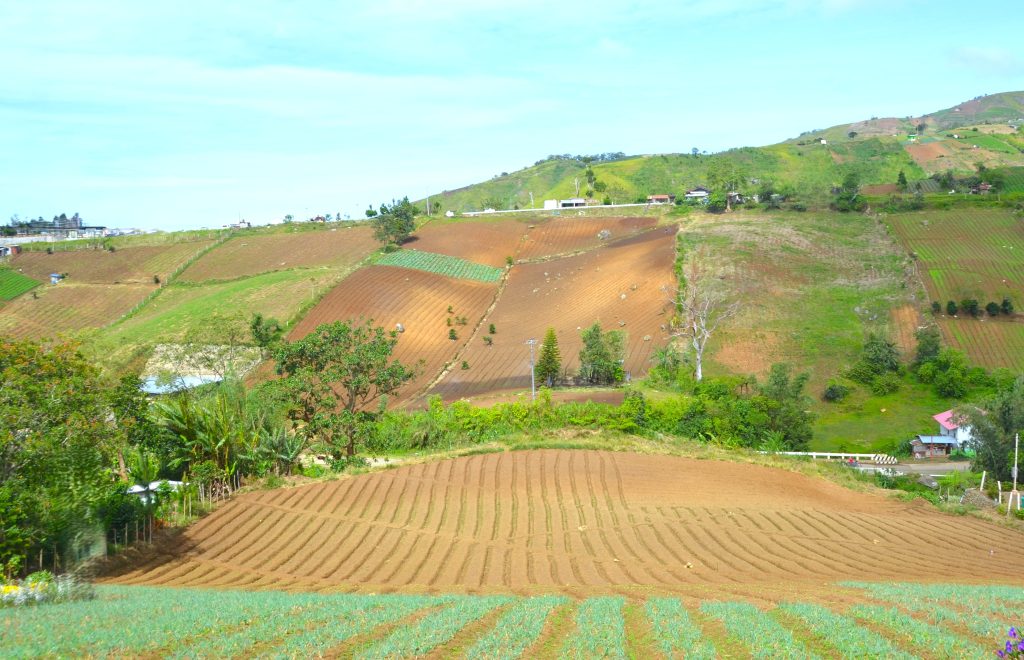
Balutakay slopes in Barangay Managa, Bansalan, Davao del Sur play a crucial role in controlling soil erosion, mitigating floods, and sustaining long-term farm productivity. The town of Bansalan is fortunate to have Barangay Managa nestled in the rolling foothills of Mount Apo, the highest peak in the country. Despite being an indigenous people’s domain, the area has experienced an influx of lowlanders who have settled over the years.
These new settlers brought with them their farming techniques they practiced from the lowlands. The trees that once thrived in the area were felled to make space for agricultural crops. Initially, the farmers cultivated coffee and bananas.
In recent years, however, they have transitioned to planting high-value crops such as sweet peppers, tomatoes, carrots, cabbages, and green onions. In addition, some have taken to growing ornamental plants and herbs. All of these crops require ample sunlight, leading to the further clearing of any remaining trees that provide shade.
It was only a matter of time before the land lost its topsoil, the essential resource for agriculture, due to erosion caused by heavy rainfall that affected the farms. Once the topsoil was depleted, farmers began to rely heavily on commercial fertilizers to enhance crop productivity.
Unfortunately, unhealthy crops became more vulnerable to pests and diseases, necessitating the use of these fertilizers. Farmers have since expressed their concerns regarding the rising costs of agricultural inputs.
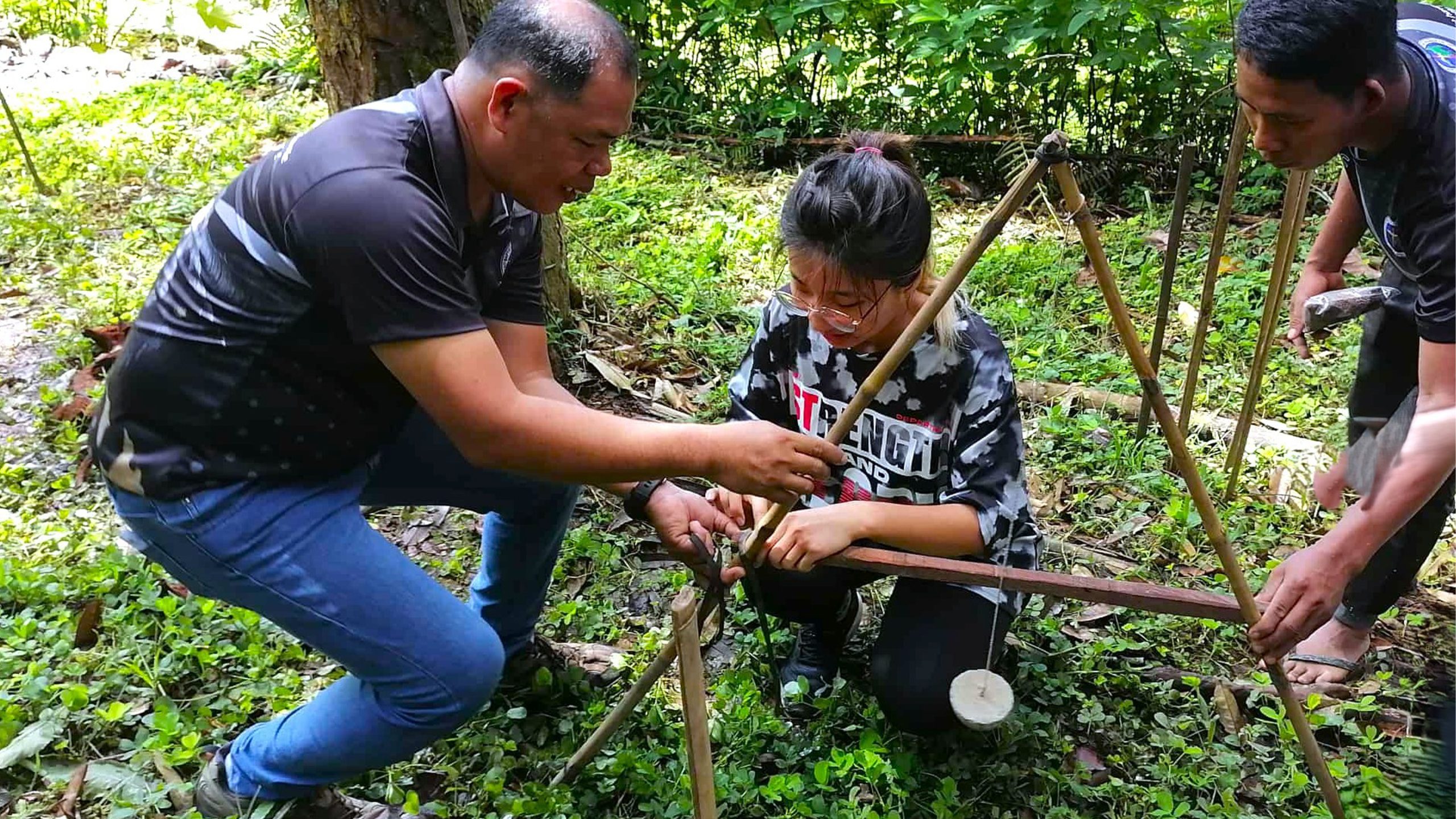
During a seminar conducted in the slope lands of Balutakay, the invited lecturer – Allan B. Ampoloquio – asked the participants regarding the problems and issues they faced in their farms.
Among the issues raised were low productivity, high input costs, difficulties in transporting produce to the market, and the low purchasing price of their goods. However, the predominant complaint was about the hardened soil. “We are experiencing difficulties in tilling our farm now,” one participant remarked.
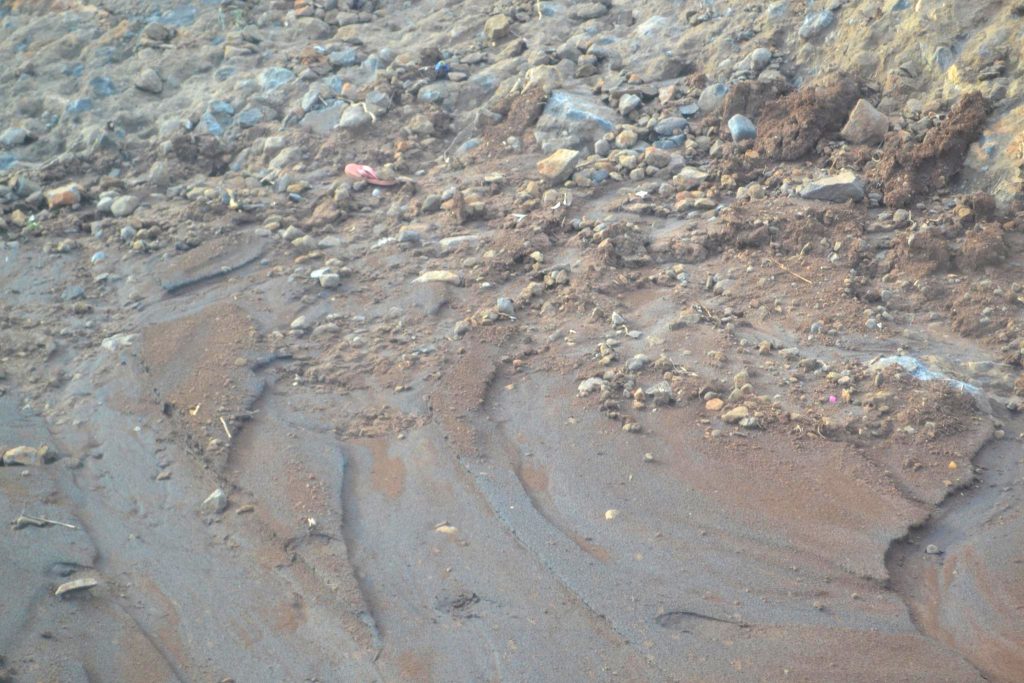
Ampoloquio explained that the hardening of their lands can be attributed to soil erosion. He explained that the topsoil, which is essential for agriculture due to its fine particles and organic matter, has been removed.
“This results in a layer of larger, coarser sand and silt particles that lack cohesion, leading to the formation of a dense, compacted crust on the surface when it dries,” Ampoloquio elaborated.
In the humid tropics, starting from a sandy base, a soil can be formed in as little as 200 years. But the process normally takes far longer. Under most conditions, soil is formed at a rate of one centimeter every 100 to 400 years, and it takes 3,000 to 12,000 years to build enough soil to form productive land.
Although soil erosion does occur naturally, the process is slow. However, man’s intervention has increased the rate of natural erosion. According to David Pimentel, an agricultural ecologist at Cornell University, exposed soil is eroded at several thousand times the natural rate.
Under normal conditions, each hectare of land loses somewhere between 0.004 and 0.05 tons of soil to erosion each year – far less than what is replaced by natural soil building processes. On average, agricultural lands lose 2.5 centimeters of topsoil every 16 years, which is 17 times faster than it can be replaced.
“No other soil phenomenon is more destructive worldwide than soil erosion,” wrote Nyle C. Brady in his book, The Nature and Properties of Soils. “It involves losing water and plant nutrients at rates far higher than those occurring through leaching.
“More tragically, however, (soil erosion) can result in the loss of the entire soil,” Brady continued. “Furthermore, the soil that is removed finds its way into streams, rivers, and lakes and becomes a pollution problem there.”
Aside from soil erosion, another consequence of deforestation is floods. “Deforestation leads to flooding as trees play a crucial role in absorbing and retaining rainwater, while their roots provide stability to the soil,” explains Jethro P. Adang, the director of Mindanao Baptist Rural Life Center (MBRLC) Foundation, Inc. based in barangay Kinuskusan.
The removal of forests, he says, diminishes the land’s capacity to absorb water, resulting in quicker and more extensive surface runoff. This heightened runoff, along with soil erosion, surpasses the capacity of drainage systems and results in more frequent and severe flooding.
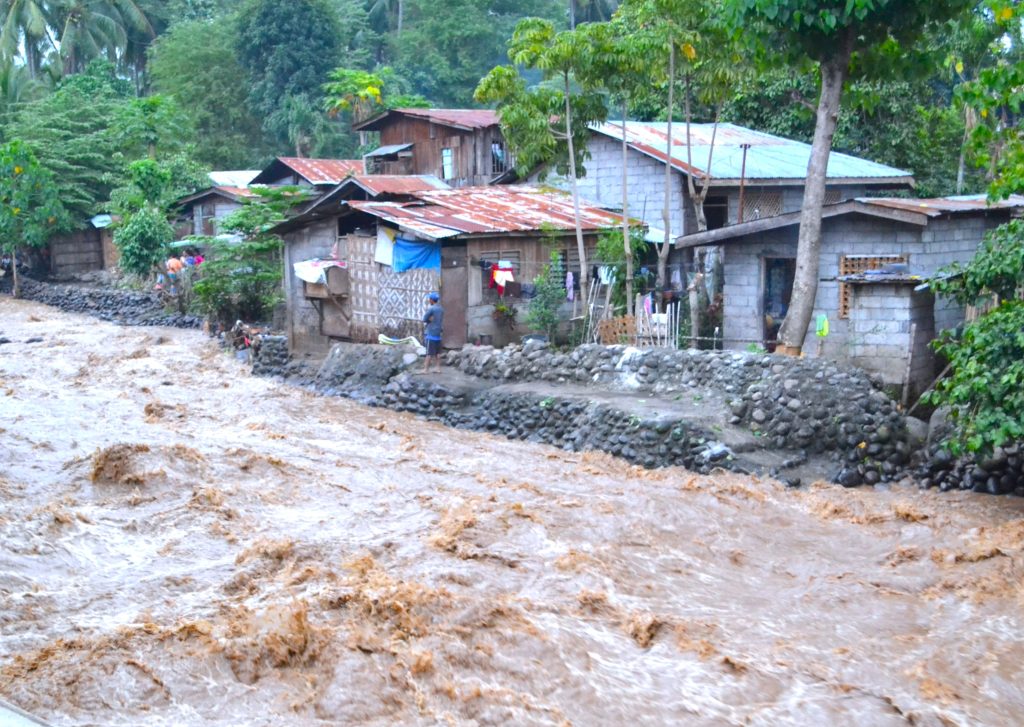
These two problems – soil erosion and floods – are now being experienced by those living in the town proper. With each heavy rainfall, it is anticipated that the residents are alarmed as the water levels rise unexpectedly.
According to the Municipal Disaster Risk Reduction Management (MDRRM) Council, the main contributors to soil erosion and flash flooding are associated with the hilly terrain and agricultural activities on sloped lands in sitio Balutakay, located in Managa.
“The clearing of natural vegetation, particularly trees, for farming removes the natural barriers that prevent soil erosion and absorb rainwater,” states the Office of the Municipal Environment and Natural Resources (MENRO). “When heavy rainfall occurs, the soil now exposed and loose, is easily washed away, leading to flash floods in lower-lying areas.”
Immediate action is necessary to prevent a potential disaster. The local government, through the MENRO, has resolved to provide training for farmers, especially those affiliated with the Balutakay Planters Vegetable Workers Association and the Balutakay Integrated Agriculture Farmers Association, focusing on methods to manage erosion and reduce flooding while ensuring their crop production remains unaffected.
One of the farming systems identified is the Sloping Agricultural Land Technology (SALT), which MBRLC has developed. “The principle of SALT is the same as that used by the Ifugao tribes,” explained Harold R. Watson, the man behind SALT and former MBRLC director. “All we are doing is suggesting using nitrogen-fixing trees and shrubs instead of rocks.”
The SALT system necessitates meticulous management of the spacing between rows of trees and shrubs. It is advisable to implement a combination of permanent, semi-permanent, and annual crops to restore the ecosystem and optimize yields, while also allowing farmers to effectively organize their work schedules.
The two bands of hedgerows of various nitrogen fixing trees and shrubs – which are cut every 15 days to serve as fertilizer and mulching materials to the crops – plays a crucial role in mitigating soil erosion.
A research study conducted at the MBRLC farm indicated that conventional farming methods lead to soil erosion at a staggering rate of 1,163.4 metric tons per hectare each year. In contrast, a SALT farm experiences a markedly lower erosion rate, measuring only 20.2 metric tons per hectare annually during the same period.
One positive aspect of SALT is its design to improve agricultural productivity through the integration of soil conservation and food production. “Since we recommend different crops to be planted simultaneously,” says Adang, “a farmer can harvest crops every now and then.”
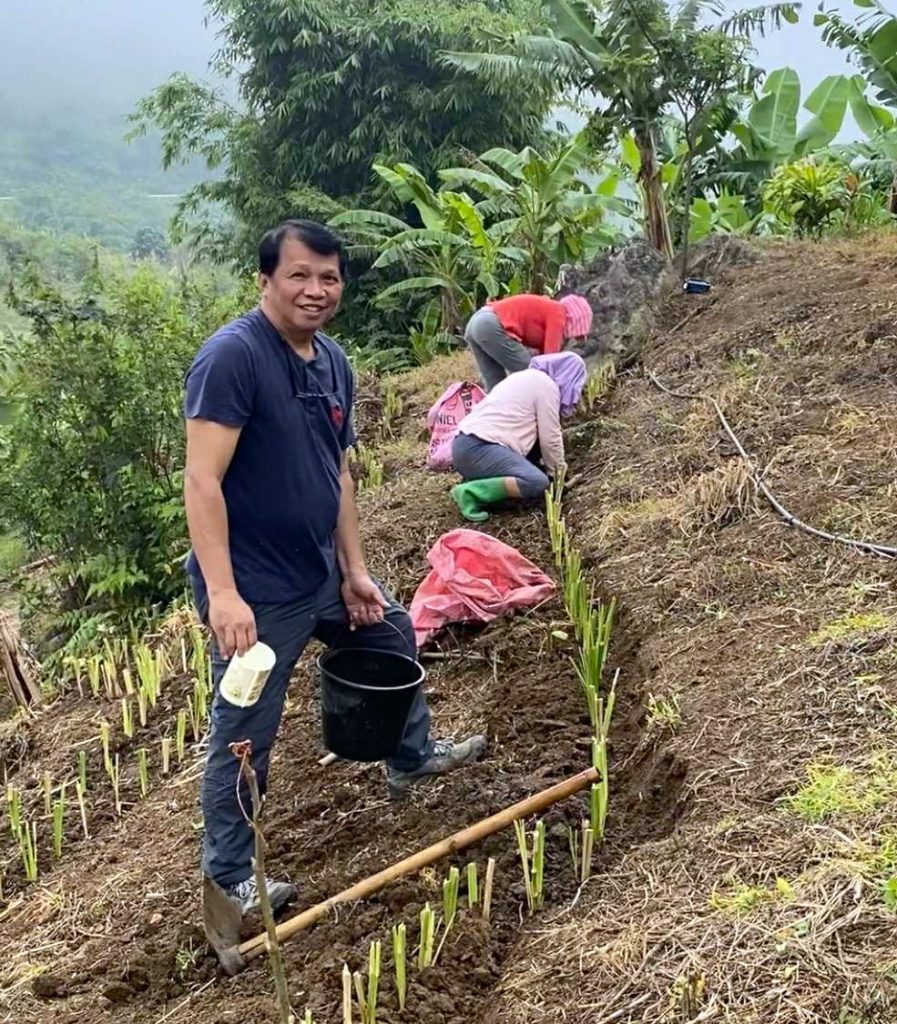
Meanwhile, Ampoloquio – who has been trying to save Balutakay from further deterioration – advocates for the use of vetiver grass, locally known as rimoras or moras, as a potential solution.
“While it may not be the definitive solution or cure and may require additional programs or systems to be effective, vetiver, as a living plant, serves as a vegetative barrier against soil erosion and aids in soil and water conservation, which has been documented as successful,” he says.
Ampoloquio believes that employing vetiver grass is a “cost-effective, comprehensive solution for soil erosion, flood control, and groundwater recharge.” He further notes that it “will incur the government a minuscule fraction of the current expenditure on disaster preparedness.”
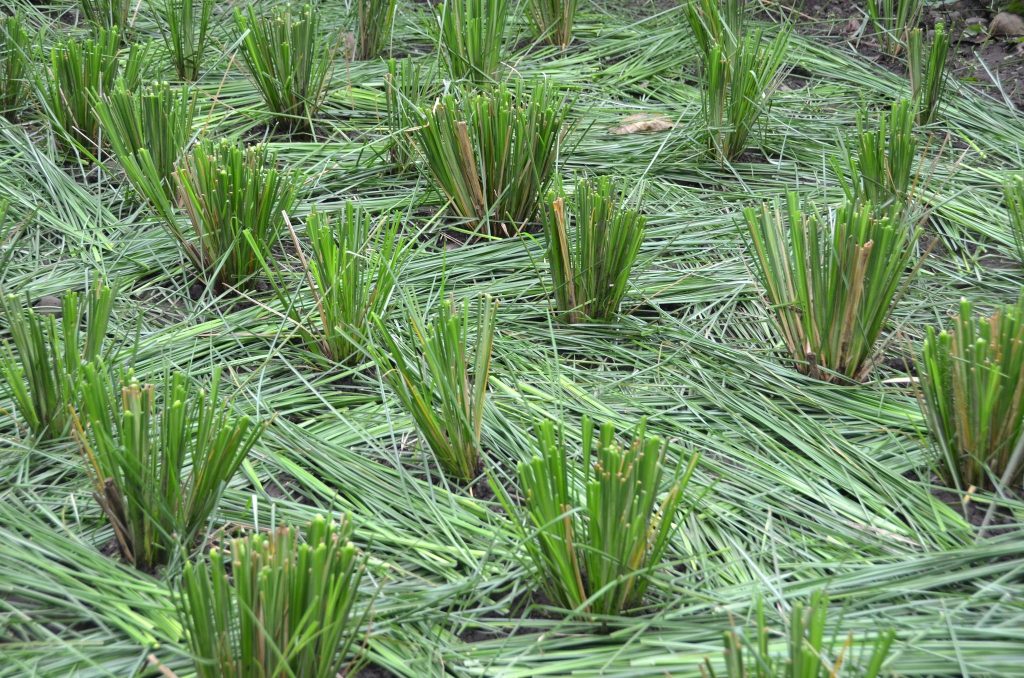
Vetiver grass is a perennial grass that grows in dense clumps with leaves that are erect, have rough edges, and are rather stiff. Vetiver grass can live up to 10 years. Once established, it is not easily killed by cogon grass. It can be planted as a hedgerow (planted in a row) across the sloping contour of a farm. It forms a dense barrier that slows down and spreads rainfall runoff.
Based on a study conducted by the Central Bicol State University of Agriculture (CBSUA), it was found that vegetable yield in areas with vetiver grass is higher compared to areas not planted with vetiver grass. The presence of vetiver was observed to minimize soil loss in the area.
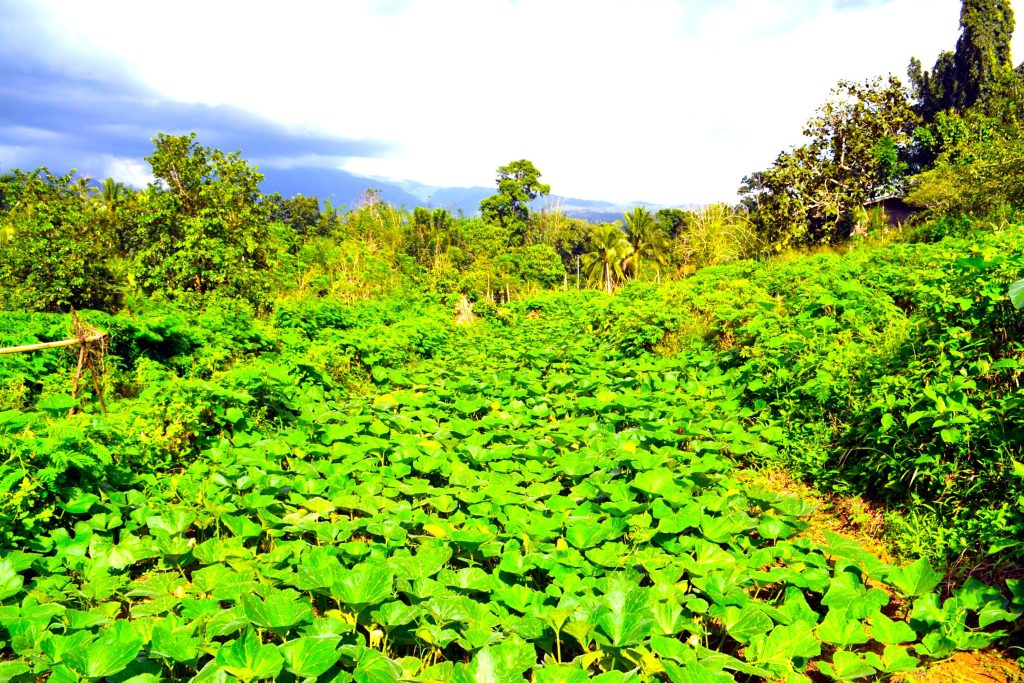
In Leyte, a study conducted by the Visayas State University (VSU) showed crops like corn and upland rice planted near vetiver hedgerows have performed well. Corn planted near the vetiver grass produced bigger ears than those near the napier grass. The herbage from vetiver grass has been found to be a good mulch for sweet potatoes.
According to Ampoloquio, vetiver grass can enhance crop yields by promoting better soil health and improving water retention. Additionally, it contributes to lowering expenses related to irrigation, as well as the use of fertilizers and pesticides.
“We are optimistic that our farmers will try to implement either or both system on their farms,” says Ferdinand Zamora, the MENRO-designated head. “The benefits of adopting these systems will extend not only to these farmers but also to the residents who living in low-lying areas.”

 Facebook
 Twitter