
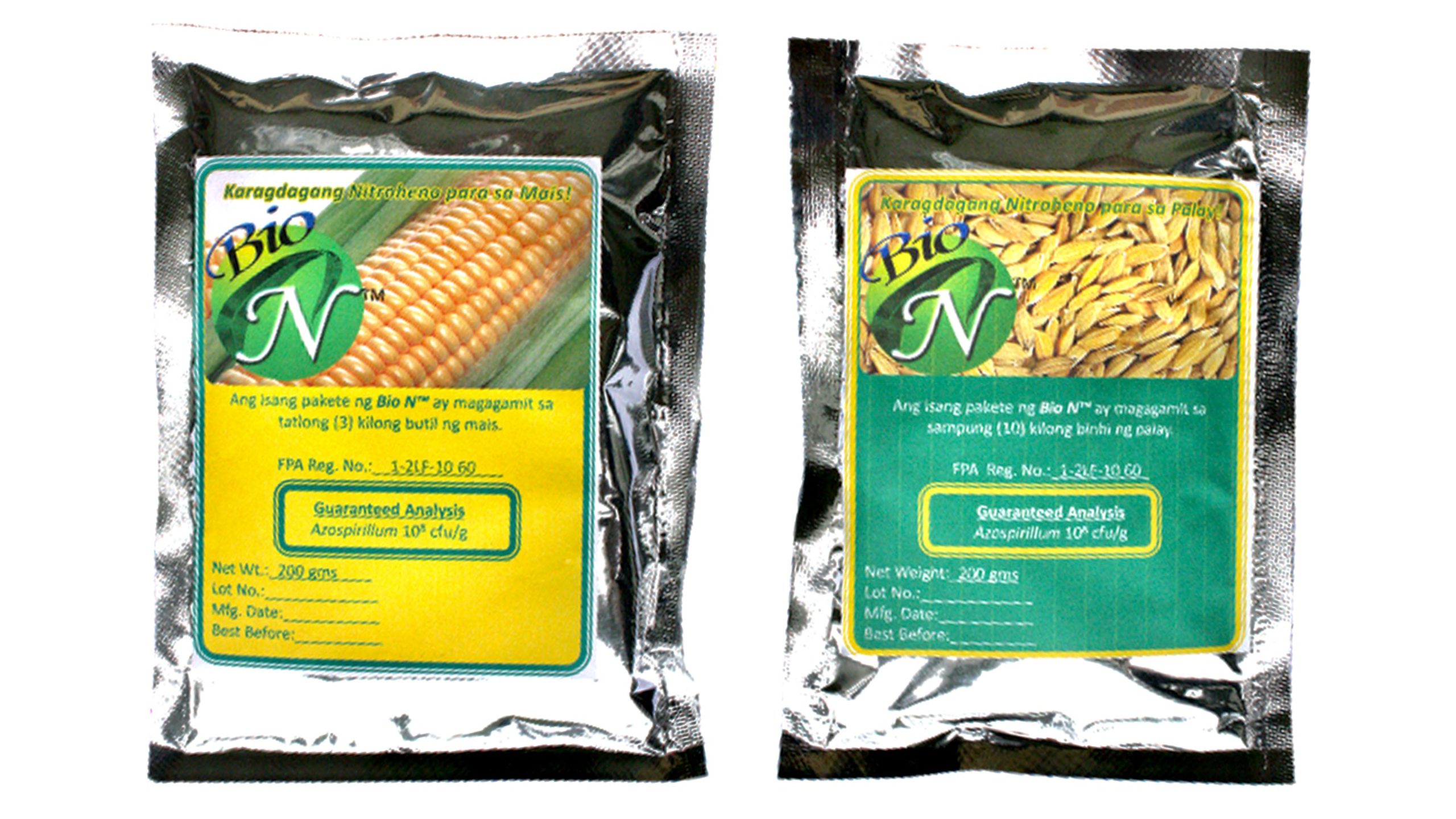
University-developed fertilizer innovations from the University of the Philippines Los Baños are helping Filipino farmers increase farm production while cutting fertilizer expenses.
Filipino farmers can lessen their expenses and increase production from their farms by using a fertilizer developed by a state-run university.
The National Institute of Molecular Biology and Biotechnology (Biotech), based at the University of the Philippines at Los Baños (UPLB), has created a variety of biofertilizers that it has actively promoted over the years.
“These fertilizers will significantly benefit the agricultural sector during this critical time for the commodity,” said Biotech’s Sophia Mercado.
She cited Bio-N as a potential solution to alleviate the fertilizer challenges faced by Filipino farmers. “Bio-N is a microbial inoculant that transforms atmospheric nitrogen into a form readily accessible to plants,” she explained. “It contains nitrogen-fixing bacteria, specifically Azospirillum, which are carried in soil and charcoal.”
Biotech is a premier research and development institution for basic and applied research on molecular biology and biotechnology addressing problems related to agriculture, forestry, environment, energy and industry.
Almost 40 years after its discovery, the Bio-N continues to ease the burdens of Filipino farmers.
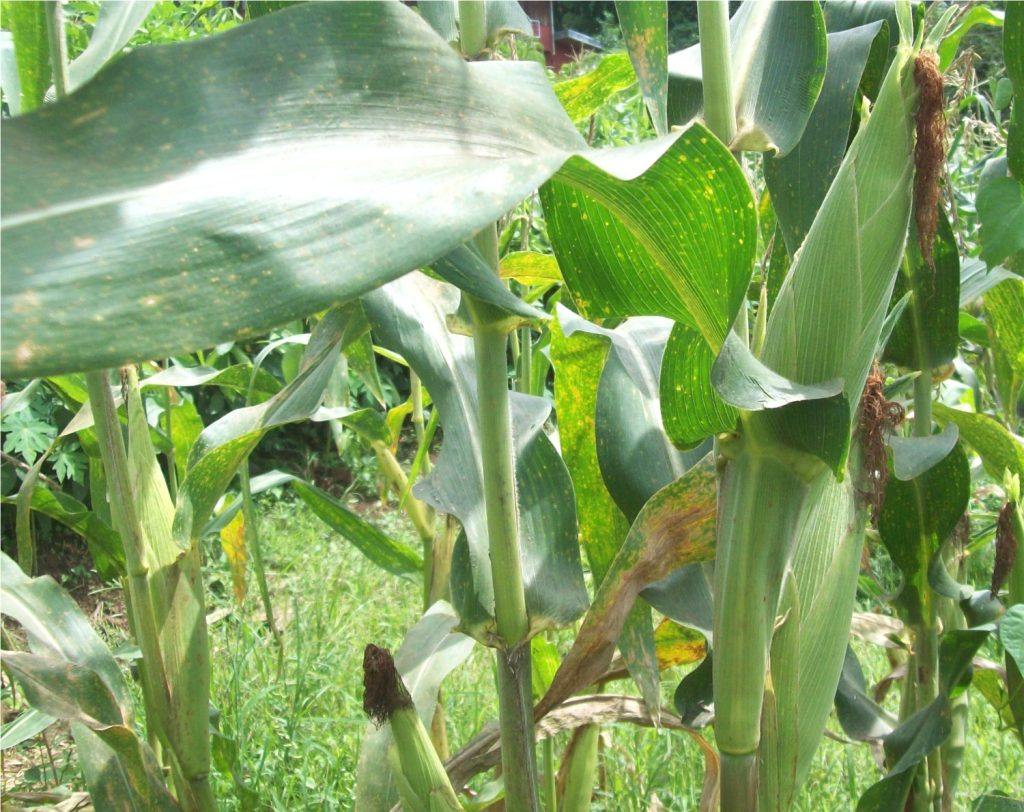
Biotech has indicated that Bio-N can substitute for 30% to 50% of the overall nitrogen needs of rice and corn. It can also make crops healthy and green even under drought conditions and in the presence of pests. In fact, it decreases the occurrence of rice tungro and corn earworm infestations.
This is good news for Filipino farmers. By using Bio-N, they would lower their cost of farm inputs.
The Philippine Rice Research Institute (PhilRice) reported that in 2022, the cost to produce one kilogram of rice amounted to P14.98. Furthermore, a study conducted in the same year indicated that 10 percent of the total expenses are allocated to fertilizers.
These days, the prices of fertilizers are skyrocketing. The country imports about 85% of its fertilizer requirements, according to UPLB.
Touted to be a “breakthrough technology,” Bio-N improves the plant’s root system, boosts nutrient absorption, provides resistance to pests and diseases, and enhances soil conditions, Mercado wrote.
Bio-N was developed by Professor Emeritus Mercedes U. Garcia through the isolation of nitrogen-fixing bacteria found in the roots of talahib grass (scientific name: Saccharum spontaneum).
The innovative product emerged from Dr. Garcia’s inquisitive nature, as she noted the widespread presence of talahib grass thriving even in challenging soil and environmental conditions. Driven by a quest for discovery, she sought to understand the underlying factors that enabled talahib to flourish in circumstances where other agricultural crops would typically fail.
Dr. Garcia carried out a research study at Biotech driven by her inquisitiveness, and after years of diligent effort, she successfully isolated Azospirillum.
The Journal of Applied Microbiology indicates that Azospirillum has the capacity to stimulate the growth of a wide range of plants, a characteristic that the industry has utilized to develop bioproducts designed to improve the productivity of economically significant crops.
The Taipei-based Food and Fertilizer Technology Center (FFTC) agrees. “The bacterium has the capability to convert atmospheric nitrogen into a form usable by the plants,” it says. “These bacteria, once associated with roots of rice, corn, sugarcane, and some vegetables, can enhance root development, growth, and yield.”
Bio-N has been extensively tested in different varieties of rice and corn at Biotech demonstration sites and in various areas around the country before its commercialization in 2002.
“Performance of Bio-N based on numerous studies and experience of current users of the product, has shown that it could significantly increase production of rice and corn,” said a report from the Department of Agriculture (DA).
“On rice production, using Bio N alone can boost rice grain by an average of 21% over no fertilizer while replacing 50% of the required chemical fertilizer with Bio-N gives an average of 14% higher in rice yield than that of using chemical fertilizer alone.”
The same performance was reported when used in corn production. “When Bio-N is used, corn yield increased by an average of 12% over chemical fertilizer and replacing 50% of chemical fertilizer with Bio N increased corn yield by average of 15% over the use of chemical fertilizer alone,” the DA report said.
Bio-N is commercially produced in both concentrated form and ready-to-use packs. In its website, Biotech says Bio-N comes in powder form in a handy 200-gram packet, which is meant for either seed inoculation, direct broadcasting over seeds or mixed with water as root dip.
According to FFTC, one packet can be used to inoculate three kilograms of corn seeds or 20 kilograms of rice. Five packets of Bio N can provide the needs of one-hectare rice or corn plantation for nitrogenous fertilizer.
“Fields that have sufficient amounts of other elements respond dramatically to Bio N,” the FFTC said. “Best responses to inoculation may be obtained when one-fourth to one-half of the recommended rate of combined nitrogen (organic or inorganic) for the particular soil is applied.”
Bio-N can also be used where organic fertilizers are applied basally, the FFTC said.
Bio-N is good for rice production. “Any rice plant, modern or traditional, requires one kilogram of nitrogen to produce 15 to 20 kilograms of grain,” said the Laguna-based International Rice Research Institute (IRRI). “Most tropical soils imbibe sufficient nitrogen naturally to grow about one ton or 1.5 tons of rice per year. To augment yields above that, nitrogen must be provided.”
Nitrogen is abundant in the earth’s atmosphere. But only very few plants can assimilate nitrogen directly from the atmosphere; most plants obtain their nitrogen from complex compounds in the soil.
Bio N can help crops obtain nitrogen. And one good thing about Bio-N is that it allows only one-time application of nitrogen fertilizer, thereby reducing labor cost to about 50% for the same area per cropping cycle, FFTC said.
Mercado reported that Bio-N has been helping rice, corn and vegetable farmers increase their yield while maintaining soil health. “Bio N users report an improvement in grain quality and an increase in yield. Using Bio N also cut production costs,” she wrote.
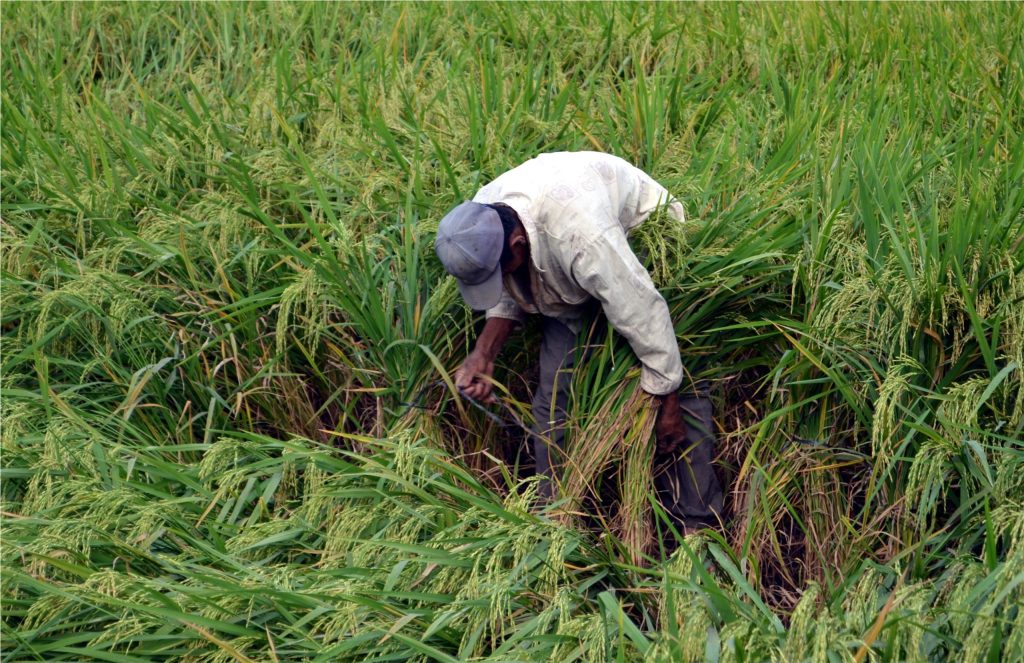
Ricky Mabunga can attest this. A farmer-vegetable dealer from Ilagan, Isabela, said he was able to save on the cost of inputs when he started using Bio-N.
He said he was able to replace two sacks of urea (50% of the average recommendation per hectare) costing P5,200 with the recommended 5-6 sachets of Bio N per hectare costing P500 to P600. This translates to more than P4,500 in savings.
Aside from rice, corn, and sugarcane, Bio-N can also be used for vegetables like tomato, eggplant, ampalaya, pechay, lettuce, okra and sweet pepper.
Biotech has given the method on how to use Bio-N for rice. As solid inoculant for direct-seeded rice or for sowing on dapog bed, the seeds are pre-germinated gunny sacks or suitable containers. When redicles come out, the so-called germinants are placed in a suitable container. The required amount of Bio-N is poured into the germinants and mixed thoroughly.
When used as a liquid inoculant for dapog bed, the Bio-N is poured in a sufficient volume of clean water and then evenly drenched the seed/seedling-lined dapog bed.
When used as a slurry for transplant seedlings, the Bio-N is mixed with water in a container to form a slurry. The roots of the seedlings are pruned and dipped for at least 30 minutes or one hour before transplanting.
For corn, one packet is good for 3-kilogram seeds in a container. In a container with water, put the exact amount of Bio-N along with the seeds. The seeds are mixed thoroughly so that all of them are evenly coated.
Once done, the coated seeds are sown immediately. Biotech advises that the corn seeds should not be exposed to sunlight. As a side dress, a bag of NPK 46-0-0 or 14-14-14 to a hectare is applied.
Crops are just like people. If human beings need carbohydrates, proteins and other nutrients, plants in a similar manner require nitrogen (N), phosphorus (P), potassium (K) and other trace elements. These requirements can be provided by fertilizers.
“This is a basic problem, to feed 6.6 billion people,” said Dr. Norman Borlaug, an American agronomist who is credited with saving over a billion people worldwide from starvation. “Without fertilizer, forget it. The game is over.”
Text and photographs by Henrylito D. Tacio

 Facebook
 Twitter