
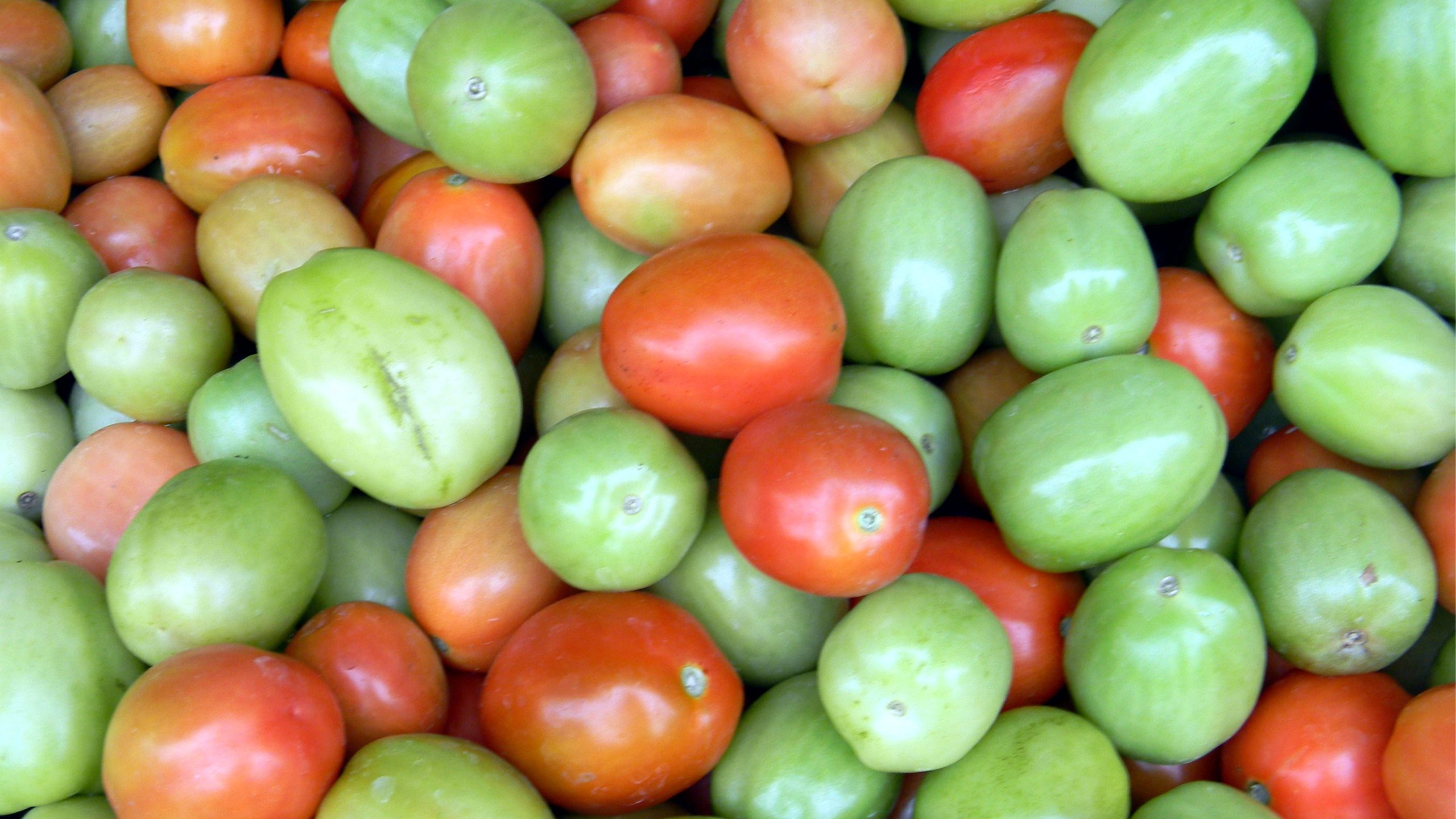
Lycopene stroke risk reduction is gaining attention as studies show that eating tomatoes may help lower the chances of stroke, highlighting the role of antioxidant-rich diets in protecting long-term health.
You are what you eat, so goes a popular saying. What you eat can also help you prevent or reduce the risk of having a stroke. That’s what tomatoes can do, according to a Finnish study, which was published in the journal Neurology.
The study provided more support for diets rich in fruits and vegetables. In tomatoes, the key factor appears to be the powerful carotenoid called lycopene. Carotenoid is a family of pigments that give fruits and vegetables their brilliant red, orange, and yellow coloring.
Lycopene is also a powerful antioxidant that eliminates dangerous free radicals that can damage DNA and other fragile cell structures. “The shape of the lycopene molecule makes it very effective in being able to quench free radicals,” Dr. Edward Giovannucci, a professor of nutrition, told Heidi Godman, executive editor of Harvard Health Letter. “We don’t really understand it entirely yet, but lycopene may have specific properties that protect the cell in a way other antioxidants may not.”
The Finnish research – based on data from more than 1,000 middle-aged men, followed for an average of 12 years – indicated that people with the highest levels of lycopene in their blood have a 55% lower chance of suffering a stroke.
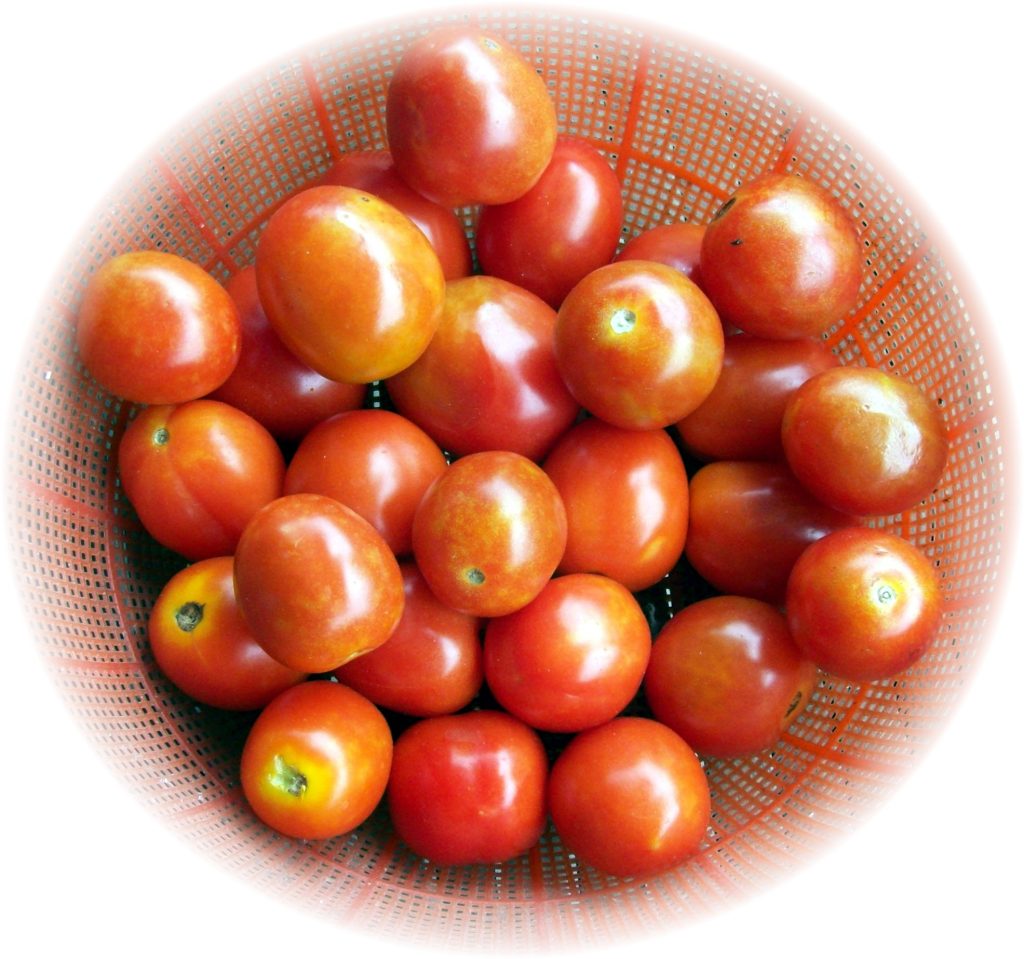
“This study adds to the evidence that a diet high in fruits and vegetables is associated with a lower risk of stroke,” pointed out study author Jouni Karppi, of the University of Eastern Finland in Kuopio.
Among the 258 men with the lowest levels of lycopene in their blood, nearly one in 10 had a stroke, the study found out. But among the 259 with the highest levels of the antioxidant, that number fell to around one in 25.
“The correlation between lycopene levels and stroke risk was even stronger when the researchers only included strokes due to blood clots, leaving out those caused by hemorrhages,” said the news dispatch which reported the study.
The participants with the highest levels of lycopene had a 59% lower risk of stroke from a blood clot than the men with the lowest levels of the antioxidant, the dispatch added. In total, 67 out of the men suffered strokes during the course of the study.
The finding came as a surprise – the researchers initially wanted to know if other antioxidants affected strokes, such as alpha carotene, beta carotene, vitamin A, and vitamin E. But they didn’t find any link with the stroke risk.
Second leading cause of death
The study is good news since the Stroke Society of the Philippines (SSP) reported that stroke is now the country’s second leading cause of death and first cause of morbidity.
“Don’t confuse a stroke with a heart attack,” reminds Dr. Isadore Rosenfeld, the bestselling author of The Best Treatment.” “A stroke is what happens when the blood supply to a portion of the brain is interrupted; a heart attack is what you suffer when the blockage is in an artery within the heart.”
The American doctor further explains: “Since the brain controls speech, movement, sensation, intelligence, and a host of other vital bodily functions, whether or not one survives a stroke, and in what condition, depends on the mechanism by which the blood supply to the brain was cut off, the size of the artery involved, and the specific area of the brain that was damaged.”

The Mayo Foundation for Medical Education and Research, based in Rochester, Minnesota, says there are two main types of strokes: ischemic and hemorrhagic. In ischemic, about 80 percent of strokes are caused by atherosclerosis (buildup of cholesterol-containing fatty deposits called plaque). Growth of plaque roughens the inside of the artery. The irregular surface can cause turbulent blood flow around the buildup – like a boulder in a rushing stream – and trigger development of a clot.
More than half of ischemic strokes are caused by stationary (thrombotic) blood clots that develop in the arteries leading from the heart to the brain – typically the carotid arteries in the neck.
A less frequent form of ischemic stroke occurs when a tiny piece of clotted blood breaks loose from the artery wall and is swept through larger arteries into smaller vessels of the brain. A clot that may have developed in a chamber in the heart can also break loose.
If the moving (embolic) clot lodges in a small artery and blocks blood flow to a portion of the brain, a stroke occurs. “An ischemic stroke usually affects the cerebrum, the portion of your brain that controls your movement, language and senses,” says the Mayo Foundation.
Risk factors
Lead researcher Dr. Brett M. Kissela, of the University of Cincinnati College of Medicine, said the risk factors for stroke include obesity, diabetes, and high blood pressure. “And if you’re developing them at the age of 20,” Dr. Kissela cautioned, “then you may have a stroke at a younger age, too.”
He advised everyone, regardless of age, to be aware of the potential symptoms of a stroke. These include severe headache, a sudden loss of coordination or balance, sudden numbness or weakness (especially on one side of the body), and trouble seeing, speaking or understanding.
Stroke is also called brain attack. It happens when a blood clots the flow of blood, and therefore oxygen, to the brain. If people get to the hospital quickly, doctors can treat them with clot-dissolving drugs that may be able to stop the stroke in progress.
Avoiding stroke
To avoid having a stroke, some health professionals are recommending people to keep eating vegetables and fruits containing lycopene. Remember what Hippocrates, the father of medicine, once said: “Let thy medicine be thy food.” He made this statement thousands of years ago and he must have had lycopene-containing crops in his mind when he said those words.
“All natural foods with a rich pink to red color generally contain some lycopene,” wrote Alina Petre for healthline.com. Aside from tomatoes, the following also contain the most lycopene per 100 grams: guava (5.2 milligrams), watermelon (4.5 milligrams), papaya (1.8 milligrams), pink grapefruit (1.1 milligrams), and cooked sweet red peppers (0.5 milligrams).
Tomatoes are still the biggest source of lycopene and the riper the tomato is, the more lycopene it contains. Per 100 grams, sun-dried tomatoes contain 45.9 milligrams. Tomato puree has 21.8 milligrams while fresh tomatoes have 3.0 milligrams and canned tomatoes has the lesser amount: 2.7 milligrams.
Other vitamins
But it’s not only lycopene that makes tomatoes worth eating, but it also contains several vitamins – particularly A, B and C – which are good for your health. Vitamin A plays an important role in vision, fighting infection and bacteria, maintaining skin and body linings, bone and body growth, reproduction, and normal cell development.
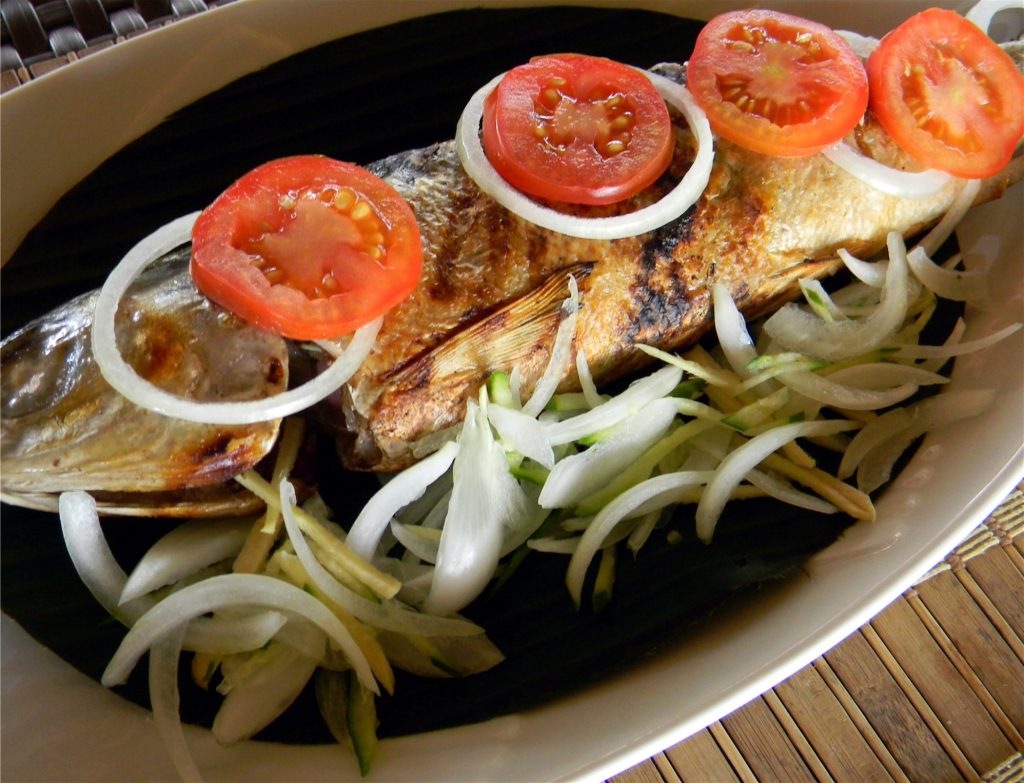
The B vitamins are very important to maintain good health. A deficiency of vitamin B6 can raise a person’s risk of heart disease. Evidence also indicates that about 40% of heart attacks and strokes may be caused by a deficiency of folic acid, another important B vitamin.
Vitamin C is needed by the body to form collagen and fiber for teeth, bone, cartilage, connective tissue, skin and capillary walls. It helps in fighting bacterial infections. It may also protect against declining mental ability and stroke. Vitamin C of tomatoes is not destroyed by heat and therefore they are practically valuable for all sorts of stomach and liver troubles.
“The lycopene-rich tomato, with its synergistic nutrients, is a powerful protector of heart disease. When the sauce is made in the traditional Italian fashion, with garlic, oregano, parsley and all the other spices, a tremendous amount of antioxidant, antithrombotic, and anti-inflammatory action is added,” a health expert wrote.
“There is currently no recommended daily intake of lycopene,” Petre wrote. “However, from current studies, intakes between 8-21 milligrams per day appear to be the most beneficial.”
Meanwhile, larger studies are still needed to confirm the findings and to figure out if the stroke protection is due to lycopene or healthy lifestyle habits. “Remember, a high lycopene consumer is likely to eat more vegetables and not be a smoker,” Dr. Giovannucci points out.
Now, are you ready for your tomato juice?

 Facebook
 Twitter