
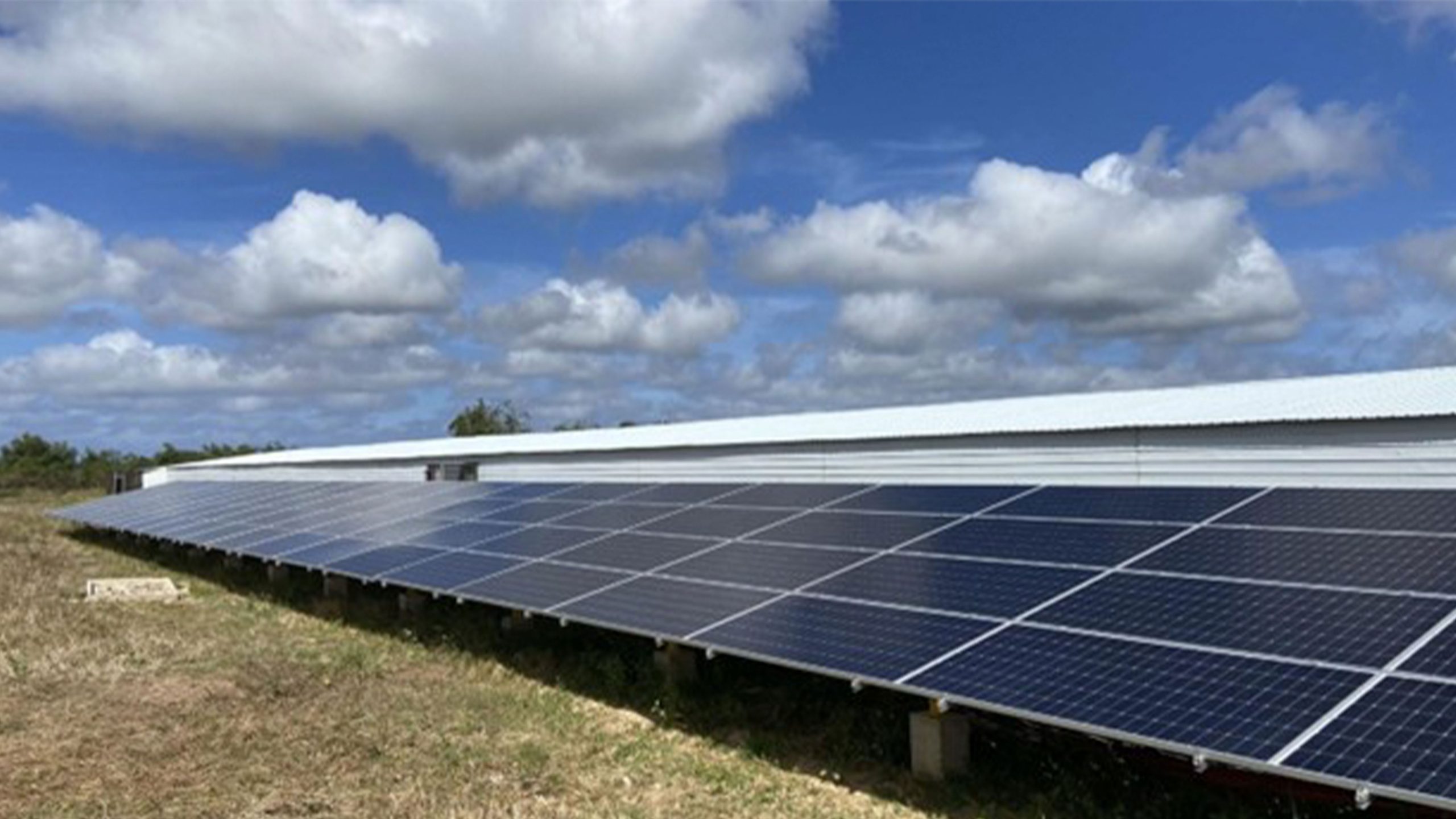
Pangasinan solar technology initiatives are helping local micro, small, and medium enterprises reduce electricity expenses and improve operational efficiency amid rising energy costs. Through renewable energy programs led by DOST-Ilocos Region, several businesses across the province are now integrating solar power systems to lower consumption and increase long-term savings.
As rising energy costs continue to strain local industries, renewable energy interventions from the Department of Science and Technology-Ilocos Region (DOST-Ilocos Region)—through its Small Enterprise Technology Upgrading Program (SETUP)—are enabling Pangasinan’s micro, small, and medium enterprises (MSMEs) to dramatically cut power consumption by as much as 90% through the strategic adoption of solar technology.
To date, nine SETUP-assisted firms across the province have successfully integrated solar power systems into their operations, resulting in substantial energy savings, improved efficiency, and increased profitability.
In the agriculture sector, DL Hatchery and Balut Industry installed a 15 KW solar panel system, reducing its annual electricity consumption by 53.2%.
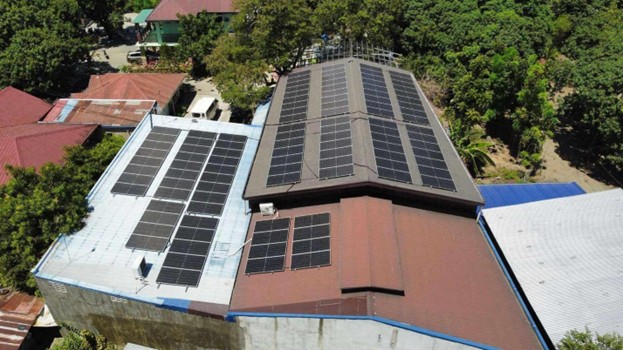
Poultry farms have likewise recorded remarkable gains: R&E Poultry Farm achieved a 43.07% reduction in energy use, while Rillera Farm reported a striking 90% drop in monthly electricity expenses—from Php135,000 down to just Php13,500.
Meanwhile, Gerrilaide Farm reduced its energy costs by 78.3%, directly contributing to a 15% increase in annual gross income. Moon Light Farm also reported a 35% decrease in electricity consumption following the full installation and operation of its solar technology, resulting in a 15% increase in gross sales.
Early adopters such as JPD Poultry Farm (formerly Tabrilla Poultry Farm) and Sunny View Farm continue to demonstrate sustained benefits, consistently achieving up to 50% efficiency gains per production cycle since adopting solar systems in 2016 and 2017, respectively. These long-term results affirm that solar integration is not only cost-effective but also a durable, high-value investment for agricultural productivity.
In the aquaculture sector, JL Hatchery Farm tapped SETUP support to address the high energy demands of prawn fry production. Through solar integration, the firm now maintains stable, temperature-controlled environments—particularly critical during nighttime operations—while significantly reducing electricity consumption.
In the printing sector, Unicolor Printing Press recorded a 60.82% reduction in annual electricity consumption after investing in solar technology.
“Before, we paid approximately PHP60,000 per month; now, our lowest bills range from zero to PHP2,000,” shared owner Ms. Teodora M. Dar. “We are very thankful for these interventions, which have helped us reduce production costs and operate without worrying about power interruptions.”
DOST-Pangasinan Provincial Director Arnold C. Santos emphasized that the agency’s role goes beyond technology provision.
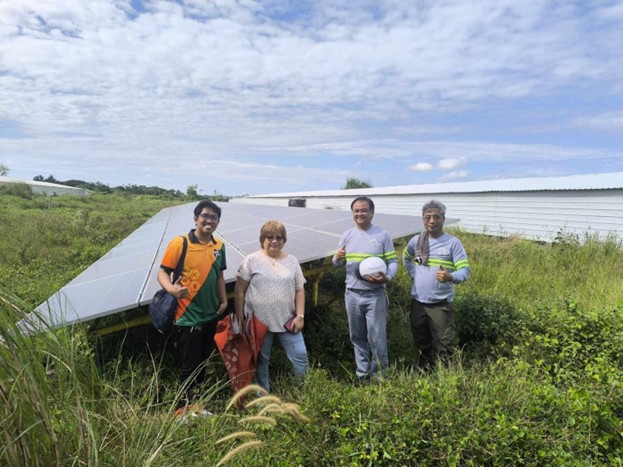
“Our goal is to ensure that these innovations translate into long-term resilience for our MSMEs. Through regular monitoring of energy outputs and operational efficiency, we ensure that these interventions continue to perform at peak capacity—helping our local entrepreneurs remain competitive,” he said.
This initiative aligns with DOST’s core pillars of Wealth Creation and Sustainability, reinforcing its commitment to economic growth, environmental stewardship, social inclusion, and institutional resilience. By shifting to solar energy, MSMEs are not only insulating themselves from volatile power costs but also transforming a major operational expense into a driver of growth.
DOST-Ilocos Region remains steadfast in expanding access to renewable energy solutions—empowering more enterprises to embrace cleaner, more cost-efficient, and future-ready operations.
Aside from lowering electricity expenses, renewable energy adoption may also help local businesses improve operational stability during periods of fluctuating power costs. Industry observers note that solar technology has become increasingly attractive for MSMEs seeking long-term sustainability while reducing dependence on traditional energy sources. Programs supporting renewable energy adoption may also contribute to environmental protection efforts and local economic growth.
By Bernalyn P. Martinez and Brenn Justin P. Guevarra

 Facebook
 Twitter