
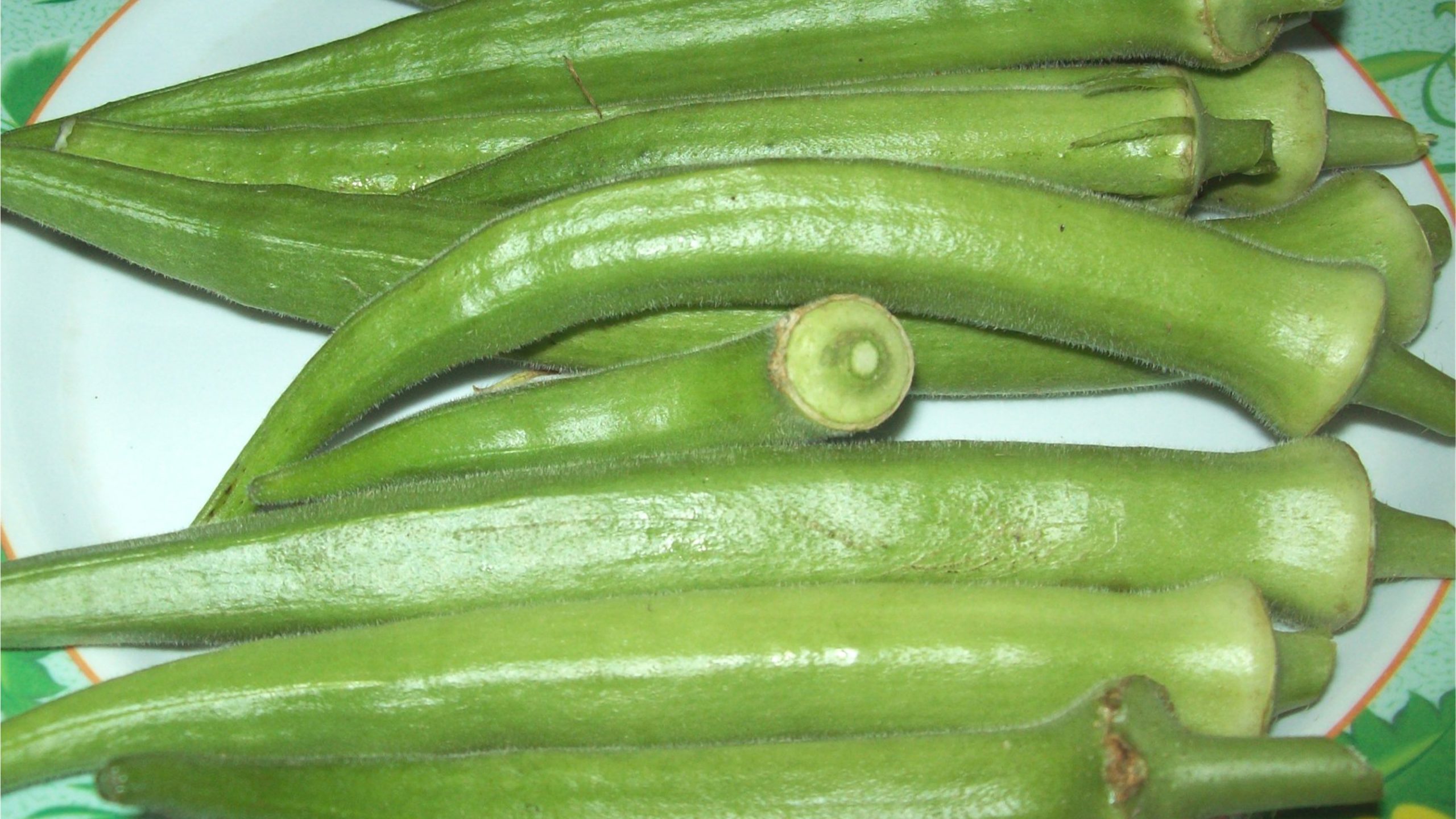
Okra vegetable, commonly called “lady’s finger,” may sound like the title of a James Bond movie, but it is actually the English name for okra. Although it is a popular ingredient in several Filipino dishes, okra is never mentioned in the traditional Bahay Kubo folk song.
Lady’s finger may sound like the title of a James Bond movie but it is actually the English name for okra. Although it is a very popular ingredient in some Filipino dishes, okra is never mentioned in Bahay Kubo song.
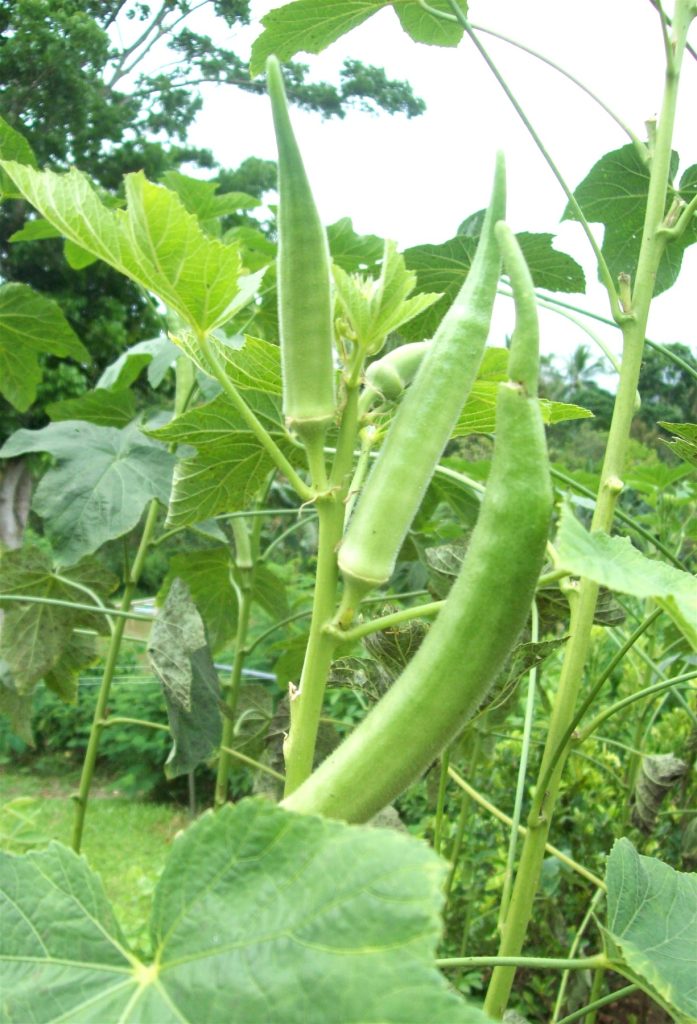
After all, okra is not a native crop of the Philippines. No one knows which country it is endemic but apparently okra originated in the Ethiopian Highlands, although the manner of distribution from there is undocumented.
Wikipedia says the routes by which okra was taken from Ethiopia to North Africa, the eastern Mediterranean, Arabia, and India, and when, are by no means certain. Although it has been commonly cultivated in Egypt for many hundreds of years, no sign of it has ever been found in any of the ancient monuments or relics of old Egypt.
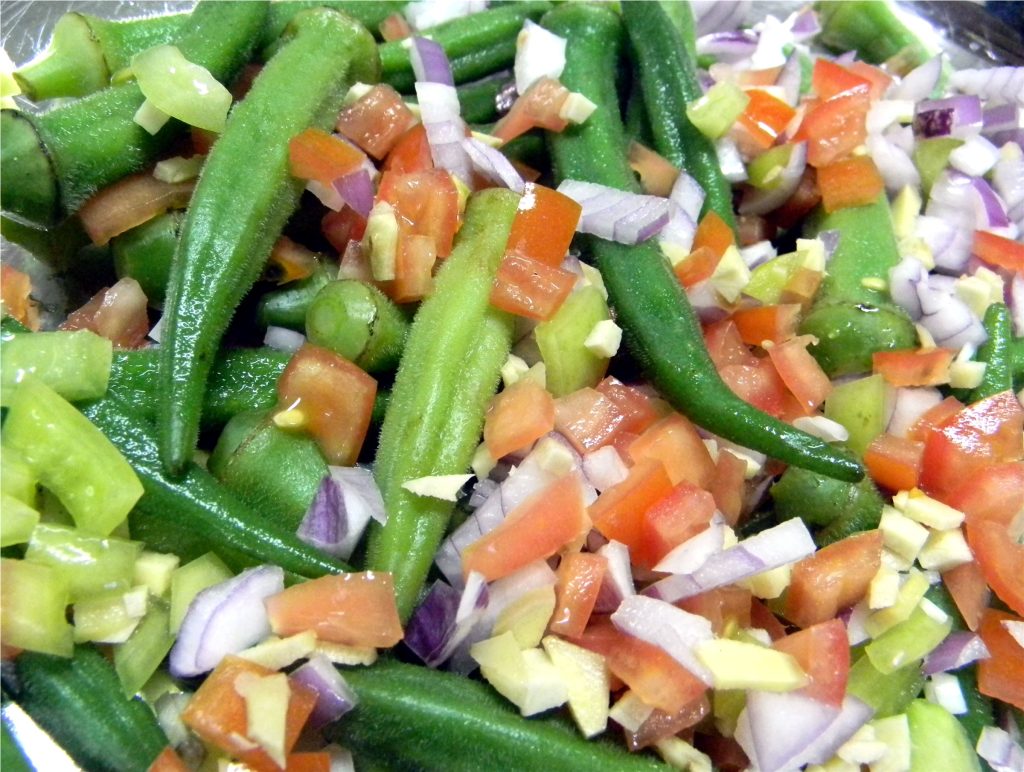
Today, okra – which is biologically classified as a fruit but generally utilized like a vegetable in cooking – is widely used in a thick stew made with vegetables and meat in Egypt, Greece, Iran, Iraq, Jordan, Lebanon, Turkey, Yemen and other parts of the Mediterranean. In Indian cooking, okra is sautéed or added to gravy-based preparations and is very popular in South India. In the Caribbean islands, okra is cooked up and eaten as soup, often with fish.
Okra became a popular vegetable in Japanese cuisine; okra is served with soy sauce and katsuobushi or as tempura. Breaded, deep fried okra is served in the southern United States. The immature pods may also be pickled.
Okra forms part of several regional “signature” dishes. Frango com quiabo (chicken with okra) is a Brazilian dish that is especially famous in the region of Minas Gerais. Gumbo, a hearty stew whose key ingredient is okra, is found throughout the Gulf Coast of the United States. It is also an expected ingredient in callaloo, a Caribbean dish and the national dish of Trinidad and Tobago. In the Philippines, okra is an important ingredient in the Ilocano dish called pinakbet.
Filipino farmers and gardeners should take a closer look at this crop known in the science world as Hibiscus esculentus. “The plant could have a future in serving the booming markets for health foods,” said a source. “Given an aging global population increasingly concerned over sickness prevention, mucilage (that sticky substance with thickening properties) is big business these days.”
In addition, okra could have a future also as a supplier of commercial laxative ingredients. Its gelatinous substances absorb water, swell, and ensure the bulky stools that obviate and overcome constipation. Any and all dietary fiber is helpful but okra seems to rank with two crops now commanding multimillion-dollar markets: flaxseed and psyllium. In simpler terms, okra may not only bind excess cholesterol and toxins but assure their quick and easy passage out of the body.
Unknowingly, aside from the famous ampalaya, okra can be touted as another nature’s answer to diabetes. Okra is a rich source of many nutrients, including fiber, vitamin B6 and folic acid. Dr. Sylvia W. Zook, an American nutritionist, said that the superior fiber found in okra helps to stabilize blood sugar as it curbs the rate at which sugar is absorbed from the intestinal tract.
The fiber in okra can help reduce harmful cholesterol levels in the blood. “High fiber foods lower the risk of heart disease, stroke, obesity, and diabetes,” wrote Megan Ware for Medical News Today. “Fiber can also slow heart disease in people who already have it.”
Looking for something to help you to lose weight? Okra might be the answer as it is very low in calories; one-half cup of okra has just 25 calories. It contains no cholesterol or saturated fat, which are two components that should be avoided when losing weight.
Okra holds high amounts of vitamins A, C, and B6, according to Michael Murray, author of The Encyclopedia of Healing Foods. Large amounts of calcium, zinc, riboflavin, folic acid, and iron are also present in this vegetable. Women who are pregnant are urged to incorporate okra into their diets due to the high content of folic acid. Folic acid is essential for the healthy growth of a fetus especially during the fourth week through the twelfth week of pregnancy.
The fat-soluble Vitamin K okra plays a role in bone formation and blood clotting. “Consuming foods that are good sources of vitamin K may help strengthen bones and prevent fractures,” Ware reports.
Okra is also a good source of folate, which is important for those who are pregnant and breastfeeding. “Folate prevents fetal problems during pregnancy,” Ware writes. “Low folate levels can lead to pregnancy loss and problems for the child, including conditions such as spina bifida.”
Perhaps not too many Filipinos know that okra also contains glutathione, a protein molecule that is naturally produced in the body. Glutathione is a powerful antioxidant that helps the body against the harmful effects of germs and bacteria that cause cancers and other diseases. It helps to improve liver, heart and lung functions and boost the immune system. The levels of glutathione produced in the body decreases as a person gets older.
One unique health benefit of okra is that it can add bounce and volume to your hair. All you need to do is boil okra that has been sliced horizontally until the contents become slimy. Let it cool and then add a couple of drops of lemon to it. Wash your hair like you normally would, and then use this mixture as a last rinse. Cover all of your hair and then rinse it off with water. Your hair should have more volume and have a little more bounce to it.
The mucilage (that sticky substance with thickening properties) from the okra has a health benefit, too. If the acids and toxins are allowed to remain in our intestinal system too long, they tend to cause inflammation and can lead to many of the gut problems, including irritable bowel syndrome. With the regular use of okra with its lubricating effect and acid neutralizing characteristics, it protects the intestinal membrane from those inflammations that can lead to colorectal cancer.
One nutrition expert explains: “The mucilage has a laxative quality that helps lubricate the large intestine, soothing rather than irritating the bowel and helps elimination without the toxic side effects of constipation medications. Okra is much more cost effective than many of the drugs out there and it is loaded with nutrition that isn’t available in pills or animal-based food products.”
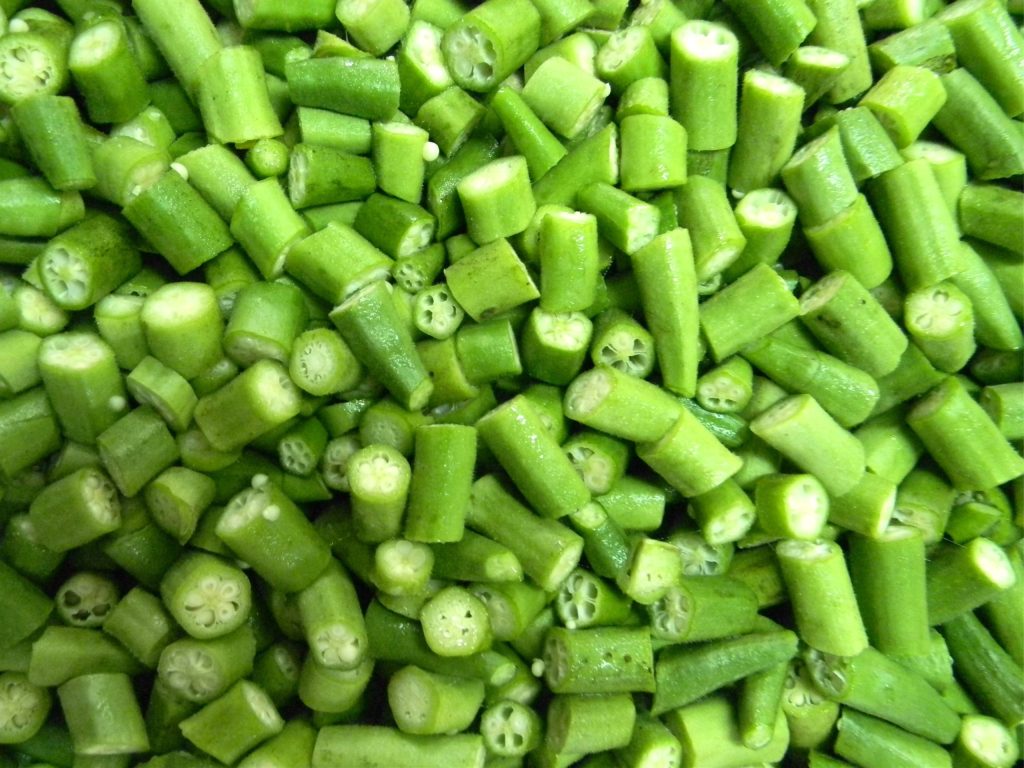
To retain most of okra’s nutrients, nutrition experts recommend that it should be cooked as little as possible, with low heat or steamed. It can also be stir-fried, deep fried, stewed or eaten raw but may be a bit tough to chew and a bit too bitter.
By the way, it is important to choose the best quality of okra for cooking, because sometimes buying bad quality okra can make the food difficult to cook and the dish unpleasant to taste. Always go for okra pods which are crispy and immature. Go for small-sized pods, as they taste good and are tender. Avoid large sided pods and look for pods which have a deep green color.
In some countries, okra seeds rather than whole young pods are more valued. When ripe, the seeds yield edible oil that is the equal of many other cooking oils, including olive oil. The greenish yellow edible oil of okra has a pleasant taste and odor, and is high in unsaturated fats such as oleic acid and linoleic acid.
Like soybean, the seed provides excellent vegetable protein for uses including full- and fat-free meals, flours, protein concentrates and isolates, cooking oils, lecithin, and nutraceuticals (foods with functional health benefits). Okra protein is both rich in tryptophan and adequate in the sulfur-containing amino acids, a rare combination that should give it exceptional power to reduce human malnutrition.
The ripe seeds of okra are sometimes roasted and ground as a substitute for coffee. In the 1800’s slaves from Africa used ground okra as a part of their diet, and this apparently led to the use of ground okra seeds as a coffee substitute by other southerners during the American Civil War blockades of the 1860’s.

 Facebook
 Twitter