
DOST SDG convergence HEIs Philippines initiative is gaining momentum as the Department of Science and Technology calls on higher education institutions to act as unified hubs for science and innovation, aiming to address fragmented efforts and accelerate the country’s progress toward achieving the United Nations Sustainable Development Goals.a
The Department of Science and Technology (DOST) enjoined higher education institutions (HEIs) across the country to become “convergence hubs” for science, technology, and innovations (STI) and advance national progress on achieving the United Nations’ Sustainable Development Goals (SDGs) amid fragmented efforts.
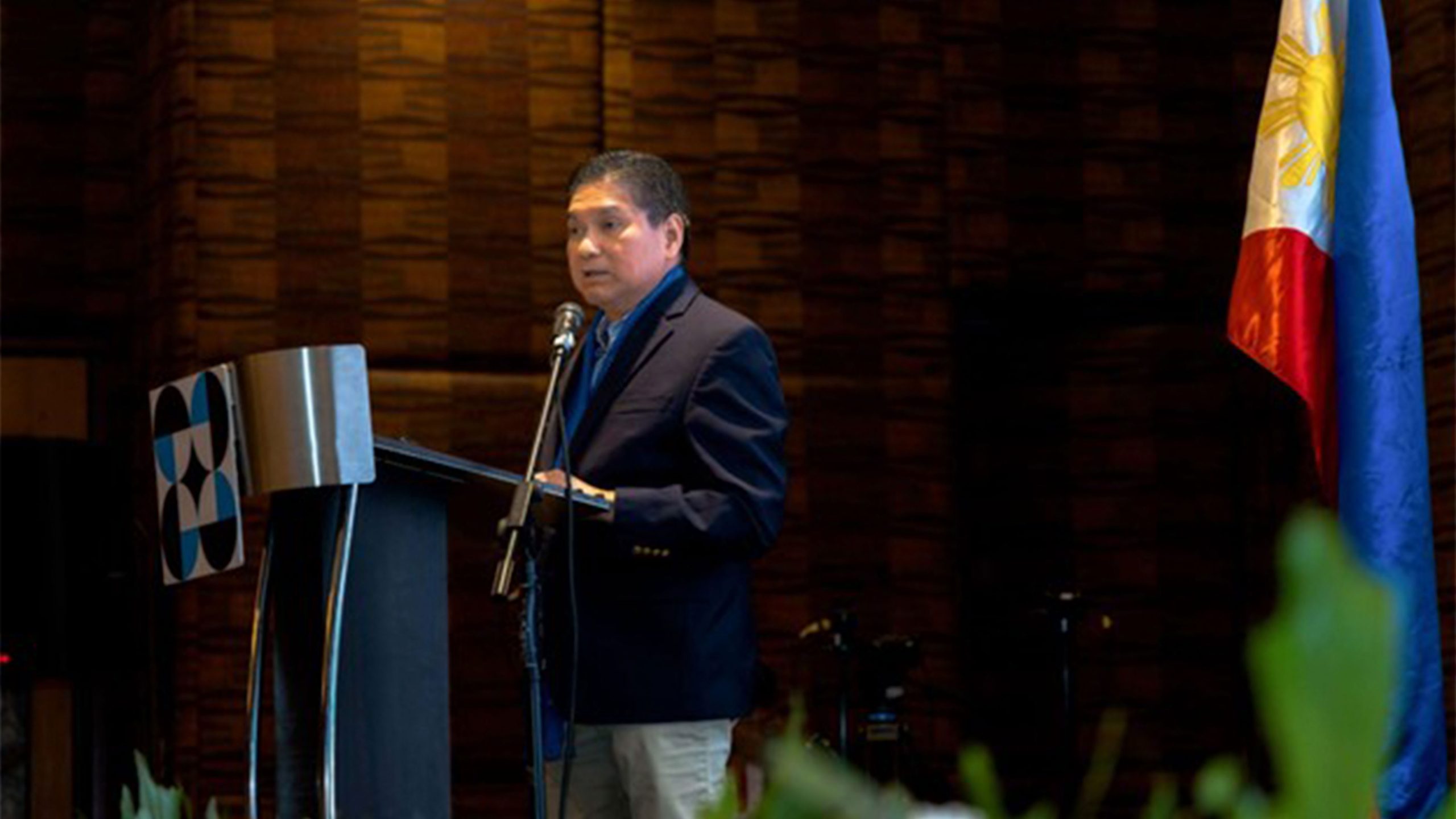
During the 2026 Luzon Regional Scientific Meeting (RSM) last April 7, DOST Assistant Secretary for Technology Transfer, Communications, and Commercialization Napoleon K. Juanillo, Jr. recognized the existence of initiatives towards SDGs across sectors, yet remains fragmented, hence eyeing the STI for SDGs project in engaging HEIs to advance ‘not one goal at a time but multiple interconnected SDG outcomes.’
“While many valuable initiatives already exist across government, academia, and industry, they remain largely fragmented. If we are to accelerate progress towards the SDGs, [HEIs] must adopt more systematic approaches,” Juanillo said.
The STI for SDGs project, which centers HEIs as strategic partners, focuses on developing an evidence-based and action-oriented approach to align efforts, measure its contributions, and determine means to effectively scale up such STIs.
“If we want science, technology, and innovation to translate into measurable development outcomes, then our engagement with higher education institutions must be intentional, structured, and aligned with national priorities,”the assistant secretary added.
Eyeing towards systemic transformation, STI for SDGs has five priority areas where STIs can be most impactful, particularly accelerating interconnected outcomes on improved nutrition (SDG 2), better health (SDG 3), more sustainable cities and communities (SDG 9 and 11), and stronger climate resilience (SDG 13).
Tracing this, DOST Undersecretary for Regional Operations Sancho A. Mabborang shared that the DOST has SDG-aligned STIs across the regions in Luzon, which include smart agriculture through Project SARAI; KIST Ecozones; e-mobility vehicles such as e-trike and e-tranvia; smarter education technologies; and research and development centers.
“This is the approach that we also adopt in the regional offices, one that is holistic in leveraging [STI] towards regional development and inclusive growth. We do not just want to achieve SDGs, we want to make them real to people,” the undersecretary said.
Moreover, DOST Secretary Renato U. Solidum Jr., agreed that these efforts are anchored on the Department’s four strategic pillars, which closely align with the SDGs, strengthening regional research capacities, collaboration across institutions, and responsiveness to local needs.
“[Luzon] is rich in research institutions, innovation hubs, and resilient communities,” Solidum pointed out. “These strengths position it as a key contributor to developing and scaling science-driven solutions that support sustainable development.”
Aligned with this, Juanillo also affirmed that the SDG integration should not be an isolated initiative but must be embedded across governance, curriculum, research, operations, culture, and community engagement.
This encompasses a structured process including assessment of readiness; setting clear and measurable targets with specific outcomes; progress tracking through the monitoring, evaluation, accountability, and learning (MEAL) systems; capacity building; and collaborations and partnerships with the government, industry, and communities.
“We are doing this to show how institutions and agencies can systematically align their programs with national and global SDG frameworks while also strengthening their capacity for evidence-based [planning, action, and reporting],” Juanillo explained.
Meanwhile, Academician Jaime C. Montoya, National Academy of Science and Technology president, encouraged the stakeholders to prioritize cross-sector collaboration to “dismantle conventional barriers among academia, government, industry, and civil society.”
“Our focus must remain [steadfast] on achieving equitable, implementable outcomes, preserving our invaluable natural resources, and securing a healthy environment for future generations,” the president added.
With the theme “UN SDGs: Science, Technology, and Innovation for Sustainable Development,” the DOST NCR-led Luzon RSM is the first leg of the 2026 series of RSMs, which convened scientists, researchers, policymakers, industry representatives, and other stakeholders to assess the nation’s progress towards achieving SDGs.
The Regional Scientific Meeting (RSM) is one of the initiatives of the Department of Science and Technology (DOST) aimed at providing science-based, innovative, and inclusive solutions across four strategic pillars: human well-being, wealth creation, wealth protection, and sustainability. These pillars embody the mantra OneDOST4U: Solutions and Opportunities for All.

 Facebook
 Twitter