
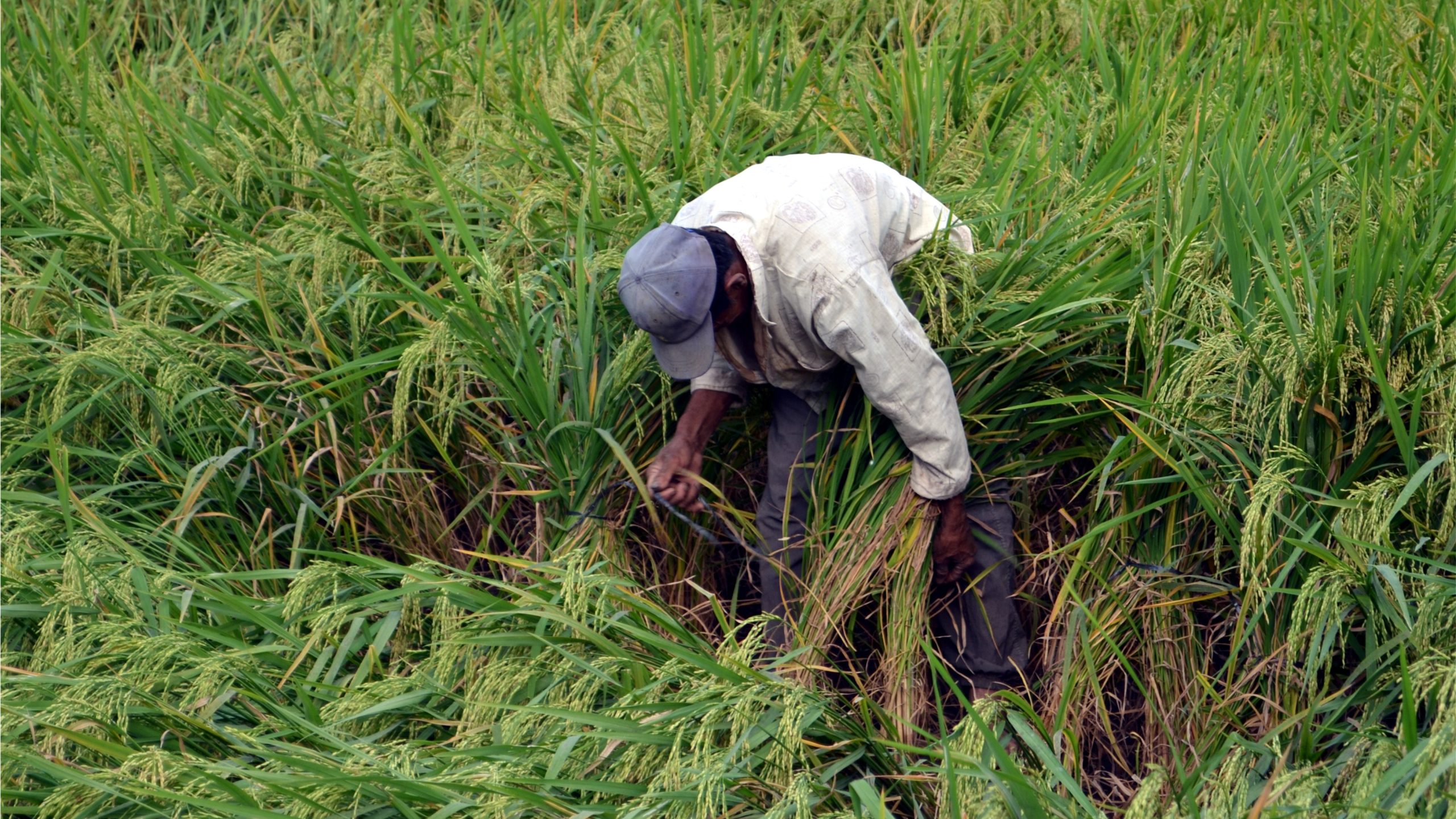
Low GI rice is being eyed as a promising solution to the growing diabetes crisis, as researchers at the International Rice Research Institute (IRRI) develop rice varieties with reduced glycemic impact.
Almost always, people with diabetes are advised by their doctors to eat less rice. The reason: the starch-rich staple has the potential to release significant quantities of sugar into the bloodstream during the digestion process.
But diabetics who like eating rice may now worry less. Researchers at the Laguna-based International Rice Research Institute (IRRI) have identified the genes that contribute to low and ultra-low glycemic index (GI) levels in rice.
This significant finding enables the transformation of widely consumed rice varieties into low and ultra-low GI options for refined white rice, utilizing traditional breeding techniques while maintaining high-quality grains and ensuring that yield remains unaffected.
The GI serves as an indicator of the extent to which a particular food can influence blood sugar levels. For rice, numerous cultivated varieties exhibit a GI between 70 and 92, a range that is deemed unhealthy for individuals with diabetes.
IRRI classifies GI levels below 45 as ultra-low, 46-55 as low GI, 56-69 as intermediate GI, and high GI at 70 and above. The newly discovered ultra-low GI line has a GI level of 44, with translucent backgrounds.
IRRI said GI assesses the rate at which a food elevates blood sugar levels. Foods high in GI are quickly metabolized, resulting in significant increases in blood glucose, which can contribute to the onset of diabetes.
In contrast, low GI rice is digested more slowly, facilitating a gradual release of glucose into the bloodstream. This process minimizes blood sugar fluctuations and promotes improved glycemic regulation, which is essential for the management and prevention of diabetes.
In the IRRI study published in the Proceedings of the National Academy of Sciences (PNAS), the research team revealed that aside from a superior set of lines that exhibited ultra-low GI, it also has an unprecedented protein level (15.99), which is twice the content usually found in conventional milled rice.
“Rice varieties with higher protein content may contribute to slower digestion and absorption rates, potentially helping control blood glucose levels, further enhancing its ultra-low GI characteristics,” IRRI said in a statement.
“Collectively, these findings underscore the stacked potential and benefits of low GI and high protein rice to offer a substantial source of protein and essential amino acids such as lysine for consumers, particularly in regions where rice is a dietary staple,” said Dr. Nese Sreenivasulu, corresponding author of the paper and principal scientist at the IRRI Grain Quality and Nutrition Center.
He further states that the rice lines in the study produced yields that are comparable to those of currently available high-yield rice varieties.
According to IRRI, the healthier rice lines were developed by intercrossing an inbred variety from Samba Mahsuri (a mega rice variety from India) and the amylose extender of IR36 (the most widely adapted variety in rice lands throughout Asia due to its multiple resistance to diseases and pests that were causing significant yield loss).
IRRI initiated its research on low glycemic rice in 2019. It has previously identified two low GI Philippine varieties, IRRI 147 and IRRI 125, that were already released in the Philippines as salt-tolerant varieties. Based on clinical validation on human volunteers in a cohort study, IRRI 147 depicted a GI value of 55 and IRRI 125 had a GI value of 51.1.
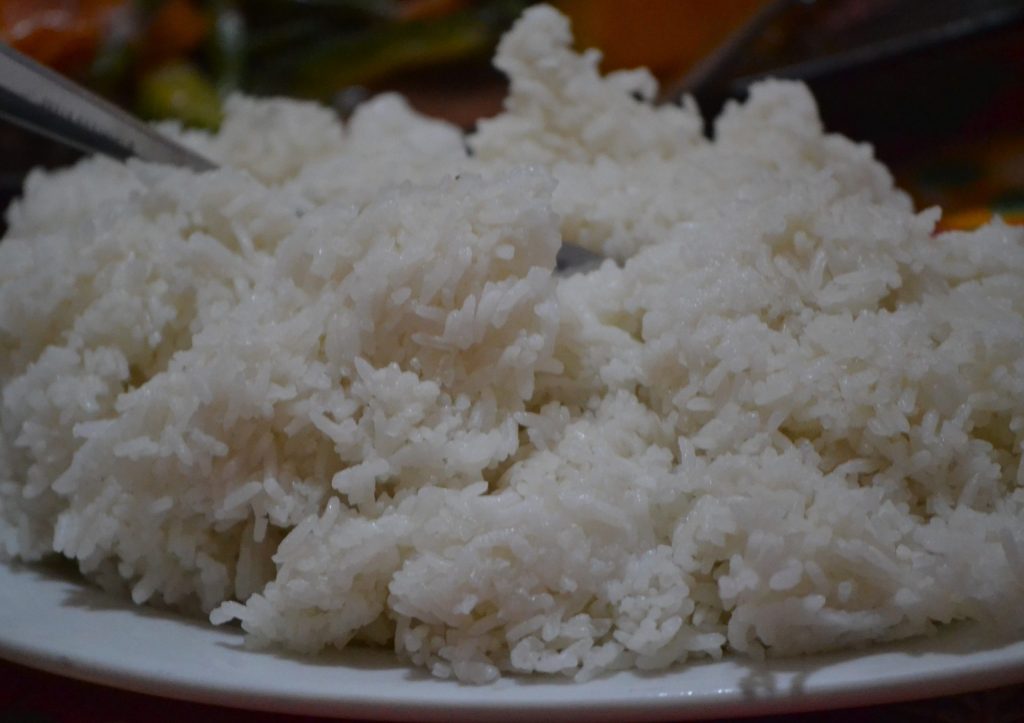
During the opening of the 6th International Rice Congress, the first batch of ultra-low GI rice samples was formally presented to President Ferdinand Marcos, Jr. “The discoveries in this congress will pave the way for greater strides in the rice industry in the Philippines and across the globe,” the president said.
The rice with low GI is, indeed, good news for Filipinos, who are rice-eating people. The Philippine Statistics Authority (PSA) reported that the average rice consumption per Filipino is around 136 kilograms each year.
Most of these rice-eating Filipinos are not aware they have diabetes. In recent years, the prevalence of diabetes has already reached alarming levels, resembling that of a pandemic. One in 14 adults is affected by this condition, with the total number of adult diabetes cases reaching four million, according to the International Diabetes Federation (IDF).
However, some health experts contend that the actual number of diabetes cases in the country may be higher, as the data provided by the IDF does not include younger populations or people with pre-diabetic conditions.
The Department of Health listed diabetes as the ninth leading cause of death among Filipinos today. Other sources said some 500 Filipinos are being diagnosed with the condition every day.
The data aligns with global trends. Recent findings published in The Lancet indicate that the worldwide population of adults diagnosed with diabetes has surpassed 800 million, marking an increase of over fourfold since 1990.
“We have seen an alarming rise in diabetes over the past three decades, which reflects the increase in obesity, compounded by the impacts of the marketing of unhealthy food, a lack of physical activity and economic hardship,” said Dr. Tedros Adhanom Ghebreyesus, director-general of the World Health Organization (WHO).
Eating rice is one of the possible reasons why diabetes is on the rise. A study conducted in 2007 involving Chinese women in Shanghai revealed that middle-aged women consuming significant quantities of rice and other refined carbohydrates exhibited a higher risk of developing diabetes in comparison to their counterparts who consumed these foods in lesser amounts.
In the United States, individuals who regularly consume white rice—defined as five or more times per week—are nearly 20 percent more likely to develop diabetes than those who consume it less frequently, specifically less than once a month.
The rice institute said that recognizing the varying GI values of different rice types enables consumers to make educated decisions regarding their rice consumption preferences. It added the low GI rice could help address the growing incidence of diabetes and the need for adequate protein intake for hundreds of millions of people at risk.
Low-GI diets offer a range of health benefits, said Dr. Tony Bird, a researcher of Australia’s Commonwealth Scientific and Industrial Research Organization (CSIRO) Food Futures Flagship. “Low-GI diets can reduce the likelihood of developing type 2 diabetes and are also useful for helping diabetics better manage their condition,” he pointed out.
There are two types of diabetes. Type 1 diabetes results from a shortage of insulin. The onset is usually rapid, but one-third of those who have this type have a remission within three months.

Insulin is a hormone that facilitates the use of glucose for energy and regulates blood sugar levels. Type 2 diabetes occurs when the body cannot effectively process this hormone. This form of diabetes accounts for approximately 90 percent of all diabetes cases.
The prevalence of type 2 diabetes is climbing at alarming rates, particularly in low- and middle-income countries, according to IRRI. “Asia, home to some of the highest per capita rice consumption levels, bears a disproportionate share of the burden,” the rice institute said.
More than 60% of the people with diabetes live in Asia, IDF claims. Studies have linked the high consumption of standard commercial white rice, whose GI is 7.0, to increased diabetes risk.
IRRI believed low GI rice has immense potential to alleviate public health and economic burdens. According to projections, a 25% adoption of Low GI rice could lead to notable reductions in diabetes prevalence in Asia.
“This is good news for diabetics and people at risk of diabetes who are trying to control their condition through diet, as it means they can select the right rice to help maintain a healthy, low-GI diet,” Dr. Bird said of the low GI rice.
IRRI agreed. “Eating rice with other foods can help reduce the overall GI of a meal and, when combined with regular exercise, can reduce the chances of getting diabetes,” it said. “In addition, people who exercise need more carbohydrates in their diet and can take advantage of low-GI foods for sustained activity.”
Text and photographs by Henrylito D. Tacio


 Facebook
 Twitter