
Plastic Pollution and Human Health
Plastic pollution health effects are becoming a serious public health issue in the Philippines. Millions of tons of plastic waste affect ecosystems, food sources, and human well-being, raising growing health and environmental concerns.
“We produce around 430 million tons of plastic a year, two thirds of which are short-lived plastics, which soon become waste. Plastic pollution can have devastating impacts on our ecosystems and wildlife, our health and well-being, and the global economy,” explained Jyoti Mathur-Filipp, the Secretariat’s Executive Secretary of the International Negotiating Committee on Plastic Pollution, to the United Nations News.
She said the packaging sector is the world’s largest generator of single use plastic waste. “Approximately 36% of all plastic produced is for packaging,” she said. “This includes single use food and beverage containers, 85% of which ends up in landfills or as hazardous waste.”
Sachet economy
In the Philippines, the so-called “sachet economy” has contributed to the proliferation of plastics. Products sold in single-use sachets include instant coffee, shampoo, soy sauce, cooking oil, food seasoning, and toothpaste.
“Because they are easy to sell – ribbons of single-use products hang from neighbourhood stores even in the most remote communities – large multinational manufacturing companies continue to market them,” said the World Wide Fund for Nature (WWF).
Unfortunately, most Filipinos discard 60 billion plastic sachets each year, according to one research group. That’s about one sachet per person per day on a per capita basis.
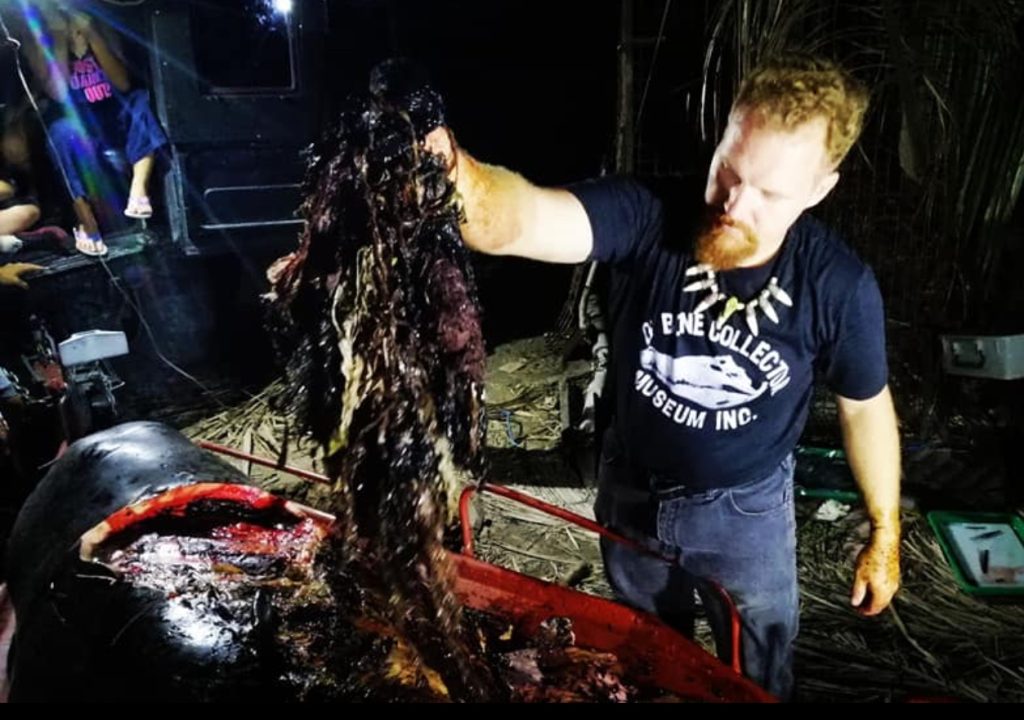
“The problem with plastics has been escalating for decades, and the Philippines has been identified as the world’s third largest contributor of plastics in the ocean,” WWF said. “Plastic pollution has always been a huge issue in the Philippines with the continuous generation of plastic wastes and poor waste management.”
Most people don’t recognize plastic pollution as very alarming. But what they don’t know is that they are greatly affected by it, particularly during heavy rains. Plastics clog the canals and irrigations, thereby causing floods.
Microplastics
Filipinos must also be aware of microplastics, those fragments of any type of plastic less than 0.20 inches in length, according to the U.S. National Oceanic and Atmospheric Administration. Those that come from larger plastic waste like plastic bottles are called macroplastics.
“Microplastics can enter the body through inhalation and absorption by the skin and can accumulate in organs, including in the placenta,” said Mathur-Filipp. “Some of the chemicals in microplastics are associated with serious health impacts, especially in women.”
Scientists have already established links between exposure from chemical additives that leach from plastics, with obesity, diabetes, poor brain health and even cancer. Research is still being done on the effects microplastics have on human health. “And we do not know yet how dangerous they are,” said Mathur-Filipp.
Additionally, due to limited and inefficient waste management infrastructure, 40% of the world’s garbage is burned, 12% of which consists of plastic. “The burning of plastic waste has multiple health impacts, including increasing the risk of heart diseases and aggravating respiratory problems such as asthma and emphysema,” said Mathur-Filipp.
Modern scourge
Plastics, which used to be one of the most useful discoveries of modern society, have become today’s scourge. They come in handy, light, malleable, unbreakable, and cheap. Name it and there is always a plastic counterpart of it. Unfortunately, the price to pay is higher than its actual cost.
Plastics have become so common that no one pays attention to them anymore. Once unusable, people just throw plastics away. They don’t bother to recycle them, as they are cheap anyway.
Today, plastics are everywhere. Most of them end up in the oceans, where they are not needed and even pollute the waters. “I think everyone agrees that plastic waste does not belong in the ocean or the environment,” said David Taylor, chairman of the Alliance to End Plastic Waste (AEPW), an organization of nearly 30 major industrial and consumer-goods companies, which launched a $1-billion initiative to tackle plastic waste.
Various plastics are used in the manufacture of each consumer item, according to the Washington, D.C.-based Worldwatch Institute. For fibers and textiles, polyester is used while carbonated drink bottles, peanut butter jars, plastic film, and microwaveable packaging, the material used in polyethylene terephthalate. High-density polyethylene is used for detergent bottles, milk jugs and molded plastic cases.
Bottle caps, drinking straws, yogurt containers, appliances, car fenders (bumpers), and plastic pressure pipe systems are made of polypropylene, according to the institute. Packaging foam, food containers, plastic tableware, disposable cups, plate, cutlery, and compact discs and cassette boxes come from polystyrene.
Because they are cheap, plastics have become a part of Filipinos’ daily life, stressed Juvinia P. Serafin, senior environmental management specialist of the Environmental Management Bureau of the Department of Environment and Natural Resources.
Data from the Environmental Management Bureau of the Department of Environment and Natural Resources (DENR) showed that in 2020 that four hundred and eighty-eight (488) local government units have ordinances banning single-use plastics.
Success story
The good news: the Philippines has a success story in the global fight against plastic pollution. It happens in Siquijor, known for its stunning scenery and attracting a significant number of tourists annually.
Siquijor has not been immune to the environmental impact of plastic pollution. However, in 2017, the government embarked on a mission to combat this issue head-on. It collaborated with some organizations such as the Mother Earth Foundation (MEF) Philippines and the Global Alliance for Incinerator Alternatives (GAIA) Asia Pacific.
They joined hands together to reach out to various sectors, launched informative campaigns, and implemented laws banning styrofoam products while regulating the use of other single-use plastics (SUPs).
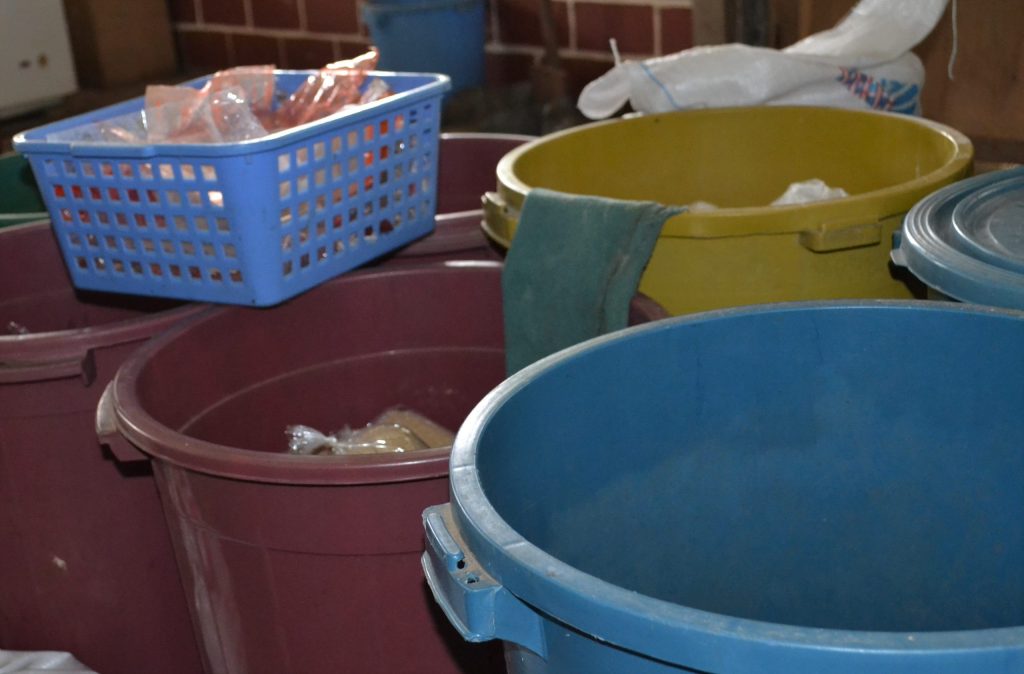
According to Siquijor Vice Governor Dr. Mei Ling Quezon-Brown, the success of the island’s efforts in combating the plastic crisis was due to local solutions. In a press release, she explained that the island’s initiatives are anchored in national policies, such as the Ecological Solid Waste Management Act and Republic Act No. 11038, laws that mandate proper solid waste management and the protection of designated areas.
“Siquijor has made remarkable strides, achieving proper waste segregation for the whole island and an impressive 58% waste diversion rate achieved through composting and recycling. As a tangible result of these efforts, waste collection frequency has been significantly reduced, reflecting a substantial decrease in plastic waste,” the press release said.
“At the core of Siquijor’s initiative is the passion and dedication of the Provincial Zero Waste Task Force leaders, who have undergone capacity-strengthening training and advocacy for improved working conditions,” said Quezon-Brown. “The establishment of the Waste Workers Association solidifies its pivotal role in the island’s Zero Waste initiatives.”
Health problems
Plastics are hazardous to the environment, much more to human health. Studies have found that toxic chemicals leach out of plastic and are found in the blood and tissue of nearly all human beings. Two broad classes of plastic-related are of critical concern for human health: bisphenol A and additives used in the synthesis of plastics, which are known as phthalates. This was found out in a study conducted by the Arizona State University Biodesign Institute.
Exposure to these toxic chemicals is linked to cancers, birth defects, impaired immunity, endocrine disruption and other ailments, it said.


 Facebook
 Twitter