
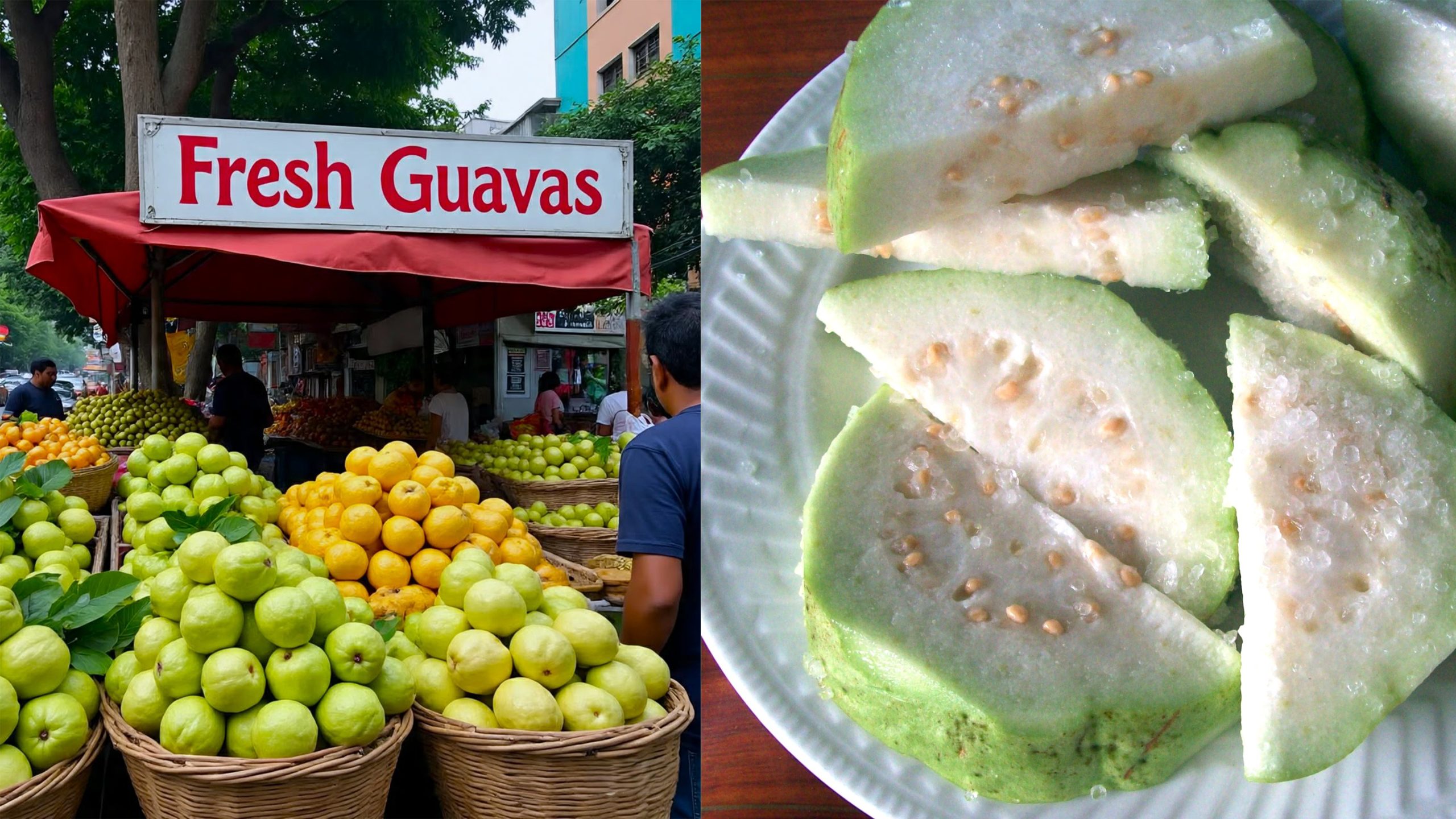
Tropical guava is one of the most nutritious fruits, known for its high vitamin C content, antioxidants, and health benefits.
“It has more vitamin C than citrus; the edible rind alone has five times the vitamin C of an orange.” That is how Bill Daley describes guava in his article published in Chicago Tribune.
Nutrition experts claim that vitamin C in guava – mainly found in the skin, secondly in the firm flesh, and little in the central pulp – varies from 56 to 600 milligrams. It may range up to 350-450 milligrams in nearly ripe fruit. When it is fully ripe and soft, the vitamin C content may decline to 50-100 milligrams.
Aside from vitamin C, guava is also rich in potassium, calcium and iron. Likewise, guava contains both carotenoids and polyphenols – the major classes of antioxidant pigments – giving them relatively high dietary antioxidant value among plant foods. As these pigments produce the fruits’ color, guavas that are red or orange in color have more potential value as antioxidants sources than yellowish-green ones.
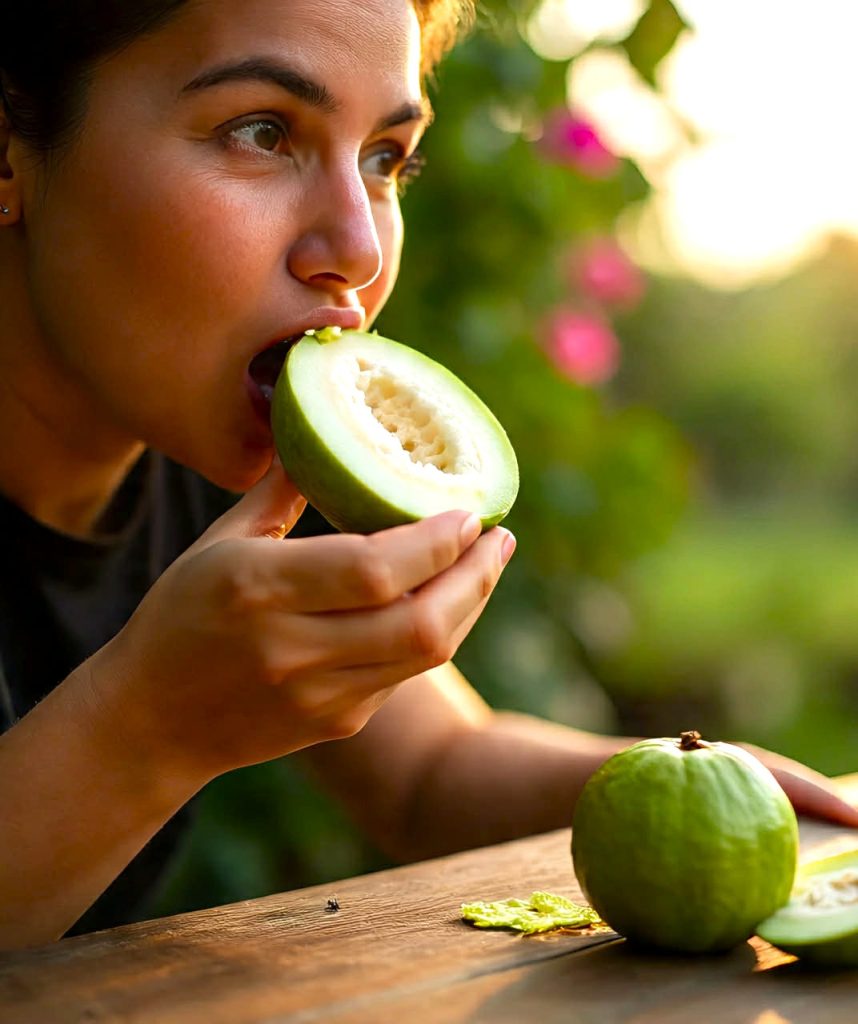
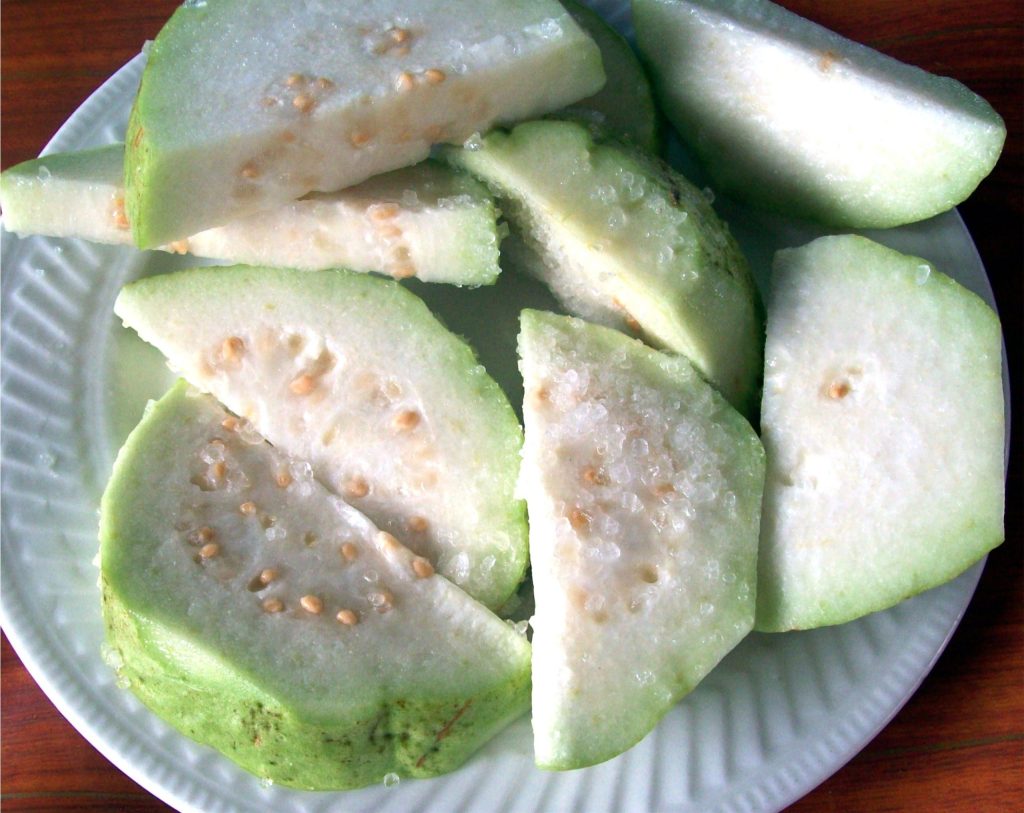
Most people eat raw guavas although there are those who prefer seeded and served sliced as dessert or in salads. There are innumerable recipes for utilizing guavas in pies, cakes, puddings, sauce, ice cream, jam, butter, marmalade, chutney, relish, catsup, and other products.
Dehydrated guavas may be reduced to a powder which can be used to flavor ice cream, confections and fruit juices, or boiled with sugar to make jelly, or utilized as pectin to make jelly of low-pectin fruits. In the Philippines, guava is used in dishes like sinigang.
“Guava has a great potential for extensive commercial production because of its ease of culture, high nutritional value and popularity of processed products,” says the Bureau of Plant Industry, a line agency of the Department of Agriculture. “Most common areas where guavas are grown in abundance are: open areas, second-growth forests, backyard, or as a part of a mixed orchard.”
As guava is considered a minor fruit crop, there are no existing records for big planting and production of guava in the country. What most Filipino farmers don’t know is that guava has an international market just waiting to be tapped.
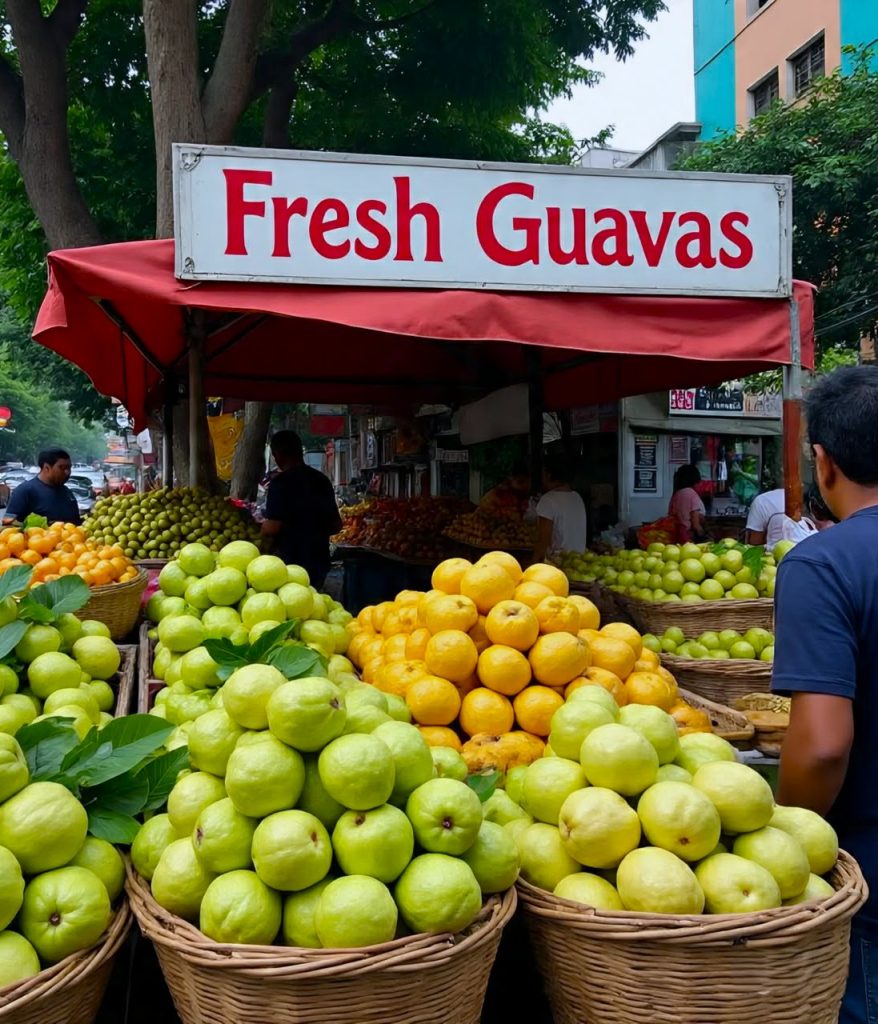
Unknowingly, Brazil since 1975 has been exporting large quantities of guava paste, concentrated guava pulp, and guava shells not only to the United States but to Europe, the Middle East, Africa and Japan as well.
Canned, frozen guava nectar is an important product in Hawaii and Puerto Rico. In South Africa, a baby-food manufacturer markets a guava-tapioca product, and a guava extract prepared from small and overripe fruits is used as ascorbic-acid enrichment for soft drinks and various foods.
Guava has a thousand uses. In fact, guava has been touted as an all-purpose medicinal plant. If “an apple a day keeps the doctor away” in Europe and the United States, it must be “a few guavas in the season keeps the doctor away for the whole year” in the Philippines and other tropical countries where guavas grow.
The roots, bark, leaves and immature fruits, because of their astringency, are commonly employed to halt gastroenteritis, diarrhea and dysentery, throughout the tropics. Crushed leaves are applied on wounds and ulcers. The leaf decoction is taken as a remedy for coughs, throat and chest ailments.
The bark and leaf extracts of guava have shown to have in vitro toxic action against numerous bacteria. The leaves of guava are rich in flavonoids, which have demonstrated antibacterial activity. This antibacterial property of guava leaves is what causes benefit to the teeth and gums.
Because of this reason, guava has been used for centuries to cure problems related to the teeth and gums. Leaves are chewed to relieve toothache and to cure bleeding gums and bad breath. Guava leaf decoction is gargled to relieve mouth sores and inflamed and bleeding gums.
Julia F. Morton, in Fruits of Warm Climates, writes: “Guava has been effective in halting vomiting and diarrhea in cholera patients. It is also applied to skin diseases. A decoction of the new shoots is taken as a febrifuge. The leaf infusion is prescribed in India in cerebral ailments and nephritis. An extract is given in epilepsy and chorea and a tincture is rubbed on the spine of children in convulsions. A combined decoction of leaves and bark is given to expel the placenta after childbirth.

 Facebook
 Twitter