
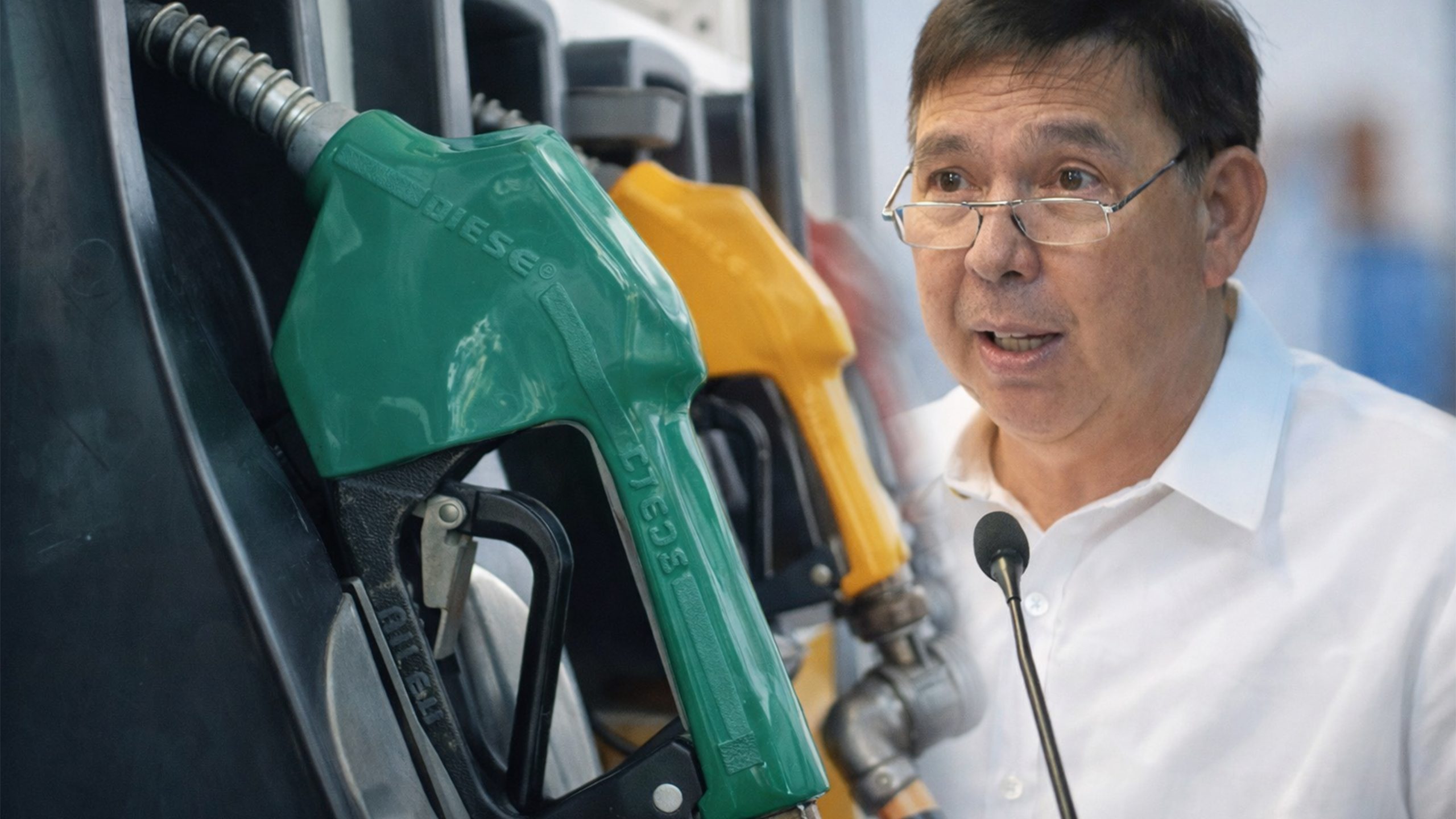
1.04 million barrels diesel Philippines shipment is set to arrive next week, as authorities move to secure fuel supply and reduce pressure from rising global oil prices affecting local markets.
A fresh shipment of diesel is expected to arrive in the Philippines next week, a development seen as part of broader government efforts to cushion the impact of global oil supply disruptions and prevent further spikes in local fuel prices.
Officials confirmed that the first batch of 1.04 million barrels of diesel has been secured through recent energy negotiations, signaling an urgent response to tightening supply conditions driven by ongoing geopolitical tensions abroad. The move comes as concerns grow over fuel availability and rising costs affecting transportation, logistics, and basic goods nationwide.
According to Executive Secretary Ralph Recto, the incoming supply was arranged following coordinated efforts by energy officials aimed at strengthening the country’s fuel reserves. “The oil diplomacy ably conducted by energy officials led by Secretary Sharon Garin has resulted in the firm order of 1.04 million barrels of diesel,” he said, noting that deliveries are scheduled to begin within the week.
The shipment is expected to provide temporary relief to both consumers and industries that rely heavily on diesel, particularly the transport and agriculture sectors. Diesel is widely used in public utility vehicles, cargo trucks, and farm equipment, making it a critical component of day-to-day economic activity in the Philippines.
Observers noted that the timing of the delivery is crucial, as global oil markets remain volatile due to supply chain disruptions and ongoing tensions in key oil-producing regions. Recent weeks have seen fluctuating fuel prices, with local pump rates reflecting international trends. The arrival of additional supply could help ease upward pressure, although analysts caution that the impact may be short-term.
The government has been exploring multiple strategies to secure fuel, including diversifying suppliers and strengthening diplomatic ties with oil-producing nations. These efforts aim to reduce vulnerability to external shocks and ensure a steady flow of energy resources into the country.
Online discussions have also reflected public concern over fuel affordability. Some netizens pointed out that while additional supply is a positive development, long-term solutions are needed to address recurring price instability. Others emphasized the need for transparency in procurement and distribution to ensure that benefits reach consumers.
Energy experts highlight that increasing supply alone may not be enough to fully stabilize prices if global conditions remain uncertain. However, maintaining adequate reserves is seen as a key step in mitigating sudden shortages and ensuring continuity in essential services.
The Department of Energy has yet to release detailed distribution plans for the incoming diesel, but officials indicated that coordination with local suppliers and distributors is underway to facilitate efficient rollout once the shipment arrives.
As the country prepares to receive the fuel delivery, attention remains focused on how effectively it will translate into price stability and supply security. The coming weeks are expected to test whether the government’s proactive measures can provide meaningful relief amid ongoing global energy challenges.

 Facebook
 Twitter