
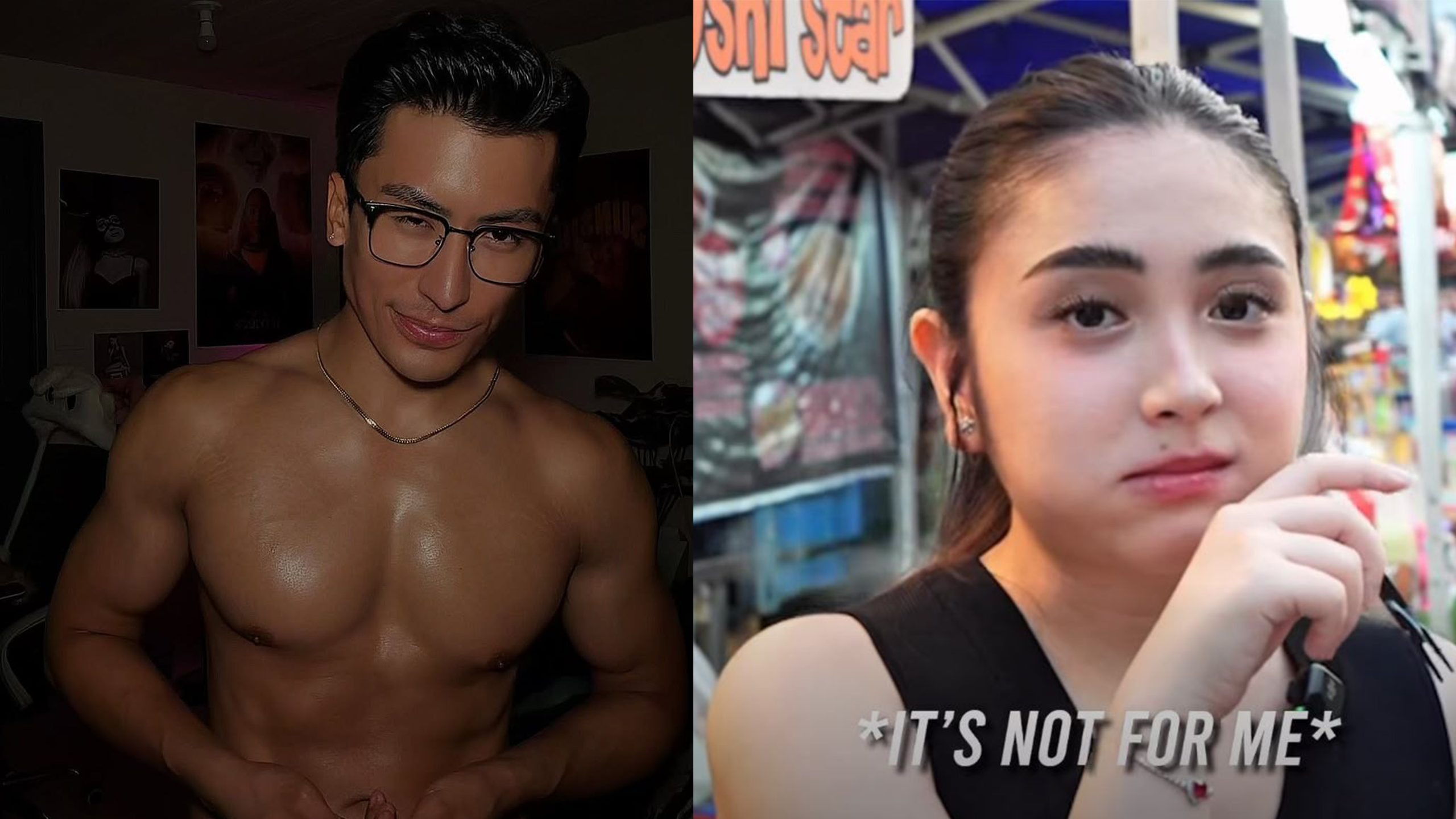
Gino Hinolan food vloggers criticism has sparked renewed debate online after the content creator questioned the credibility of consistently positive restaurant reviews shared on social media.
A growing debate over credibility in food vlogging has resurfaced after content creator Gino Hinolan publicly criticized what he described as “overly positive” and potentially misleading restaurant reviews, prompting discussions about transparency in the digital content space.
Hinolan’s remarks were shared through a social media post where he expressed concern about vloggers who consistently give favorable feedback regardless of actual dining experiences. He suggested that some content creators may prioritize maintaining relationships with restaurant owners over providing honest assessments to their audiences.
“Gino Hinolan binanatan ang ilang food vloggers na palaging positibo ang reviews,” read part of the circulated post, which quickly gained traction online. The statement highlighted a sentiment that resonated with viewers who rely on online reviews when choosing where to eat.
The issue gained further attention after Hinolan referenced a specific case involving a Borres establishment, where questions were raised about the authenticity of a review. While details remain limited, the mention contributed to broader conversations about whether some content creators compromise objectivity for access, sponsorships, or promotional opportunities.
Food vlogging has grown significantly in the Philippines, with creators playing an increasingly influential role in shaping consumer behavior. Many small businesses benefit from exposure through social media, but critics argue that consistently positive reviews can blur the line between genuine feedback and paid promotion.
Observers noted that Hinolan’s comments reflect a wider concern about accountability in influencer marketing. As audiences become more discerning, there is increasing pressure on content creators to disclose partnerships and maintain credibility.
Some netizens pointed out that honest criticism is essential in building trust, especially in a saturated digital landscape. Others, however, defended vloggers, saying that content creation often involves maintaining professional relationships, which can influence tone and presentation.
Online discussions also raised questions about the need for clearer guidelines in content transparency. In the Philippines, regulatory frameworks on influencer disclosures continue to evolve, with calls for stricter enforcement of advertising standards in digital platforms.
Hinolan’s statements underscore a shift in public expectations, where authenticity is increasingly valued over purely promotional content. Industry watchers say that as competition grows, creators who maintain transparency may stand out more in the long term.
While Hinolan did not directly name individuals, the conversation he sparked continues to circulate across platforms, highlighting the ongoing challenge of balancing content creation, business interests, and audience trust.
The issue also reflects a broader shift in how audiences consume online reviews, with many users now seeking more balanced and transparent content. As digital platforms continue to influence consumer decisions, maintaining credibility has become a key factor for content creators aiming to build long-term trust. This evolving expectation may push vloggers to adopt clearer disclosure practices and more honest evaluations moving forward.

 Facebook
 Twitter