
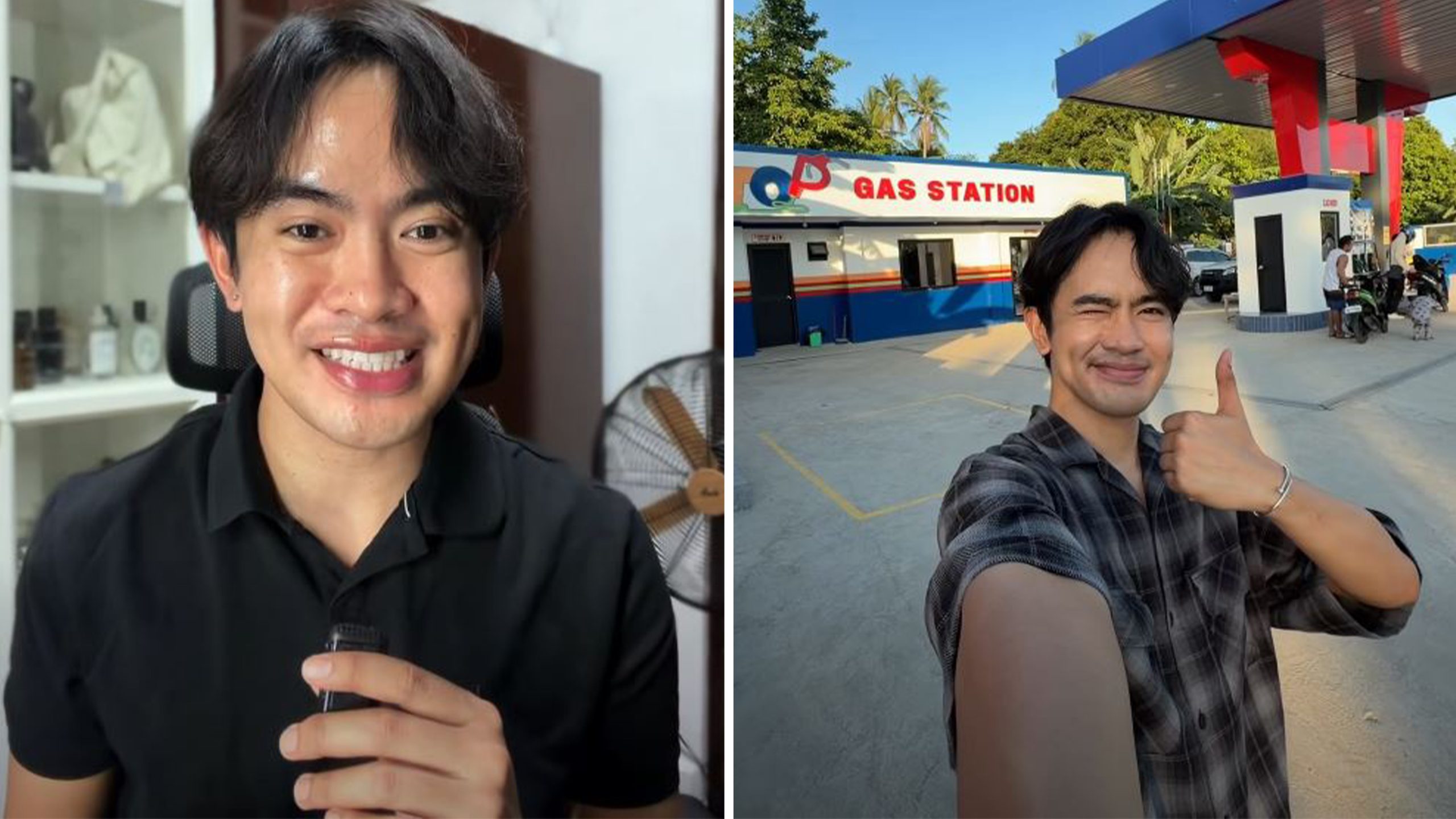
Arshie Larga fuel assistance reached more than 1,000 tricycle drivers in Marinduque, offering ₱500 each as fuel prices continue to rise and squeeze the daily income of small transport operators.
As fuel prices continue to strain daily commuters and small transport operators, content creator Arshie Larga extended direct assistance to more than 1,000 tricycle drivers in Marinduque, offering ₱500 each in fuel aid—a move that has sparked both appreciation and public discussion online.
Larga, who hails from the province, personally distributed the assistance as part of what he described as a community-driven effort to ease the burden of rising fuel costs. The initiative comes at a time when transport groups across the Philippines have been calling for government intervention due to fluctuating oil prices that directly impact their daily earnings.
In a statement shared on social media, Larga clarified that the effort was purely intended to help local drivers and was not connected to any political ambitions. “This is simply about giving back to the community that raised me,” he noted, addressing speculation circulating online about possible plans to enter public service.
The distribution reportedly benefited tricycle drivers across multiple barangays, many of whom rely on daily earnings to support their families. For drivers operating on tight margins, even small increases in fuel prices can significantly reduce take-home income. The ₱500 assistance, while modest, was seen as immediate relief by recipients.
Local observers noted that grassroots initiatives like this highlight gaps in institutional support for small-scale transport workers, particularly in provinces where public transport systems are less regulated and more vulnerable to economic shifts. Some netizens praised Larga for using his platform and resources to address a real-world issue affecting ordinary Filipinos.
However, online discussions also raised questions about the sustainability of such efforts and whether private initiatives should complement or pressure broader government response. Others pointed out that while individual acts of assistance are commendable, long-term solutions would require policy-level interventions, including fuel subsidies or fare adjustments.
The Department of Energy has previously reported that global oil market volatility continues to influence domestic fuel pricing, leaving transport sectors exposed to unpredictable cost increases. Tricycle drivers, in particular, often lack formal protection mechanisms compared to larger public transport operators.
Larga’s initiative has since gained traction on social media, with many calling for similar efforts in other regions. Community leaders in Marinduque also expressed appreciation, noting that the assistance arrived at a critical time when many drivers were struggling to maintain daily operations.
The development underscores the growing role of digital influencers in community engagement beyond online content, reflecting a shift where public figures can mobilize resources quickly in response to local needs. At the same time, it has reignited conversations about the balance between private aid and systemic support.
As fuel prices remain a persistent concern, the situation of tricycle drivers continues to draw attention, with both government agencies and private individuals being urged to explore more sustainable solutions to support the sector.
Economists note that while localized assistance programs like Larga’s provide immediate relief, they also reflect broader economic pressures faced by informal transport sectors nationwide. Without structured subsidies or fuel stabilization mechanisms, drivers remain vulnerable to price shocks. Policy experts suggest that collaborative efforts between local governments and private stakeholders could help create more sustainable safety nets for small transport workers.

 Facebook
 Twitter