

APAC sustainable travel trends continue to influence how tourists plan their trips, with more travelers becoming aware of climate risks and environmental impact before booking vacations. Booking.com’s latest global travel research found that nearly eight in 10 travelers across the Asia-Pacific region now consider extreme weather conditions when making travel decisions, reflecting changing priorities among different generations.
SINGAPORE – Booking.com has released its 11th annual research report into consumer attitudes and understanding of the social and environmental impact of travel. With insights from 32,500 travellers across 35 markets globally, this year’s research highlights a generational paradox. While 88% of travellers from Asia and the Pacific (APAC) region at all ages say that more sustainable travel is important or very important to them, younger generations express stronger sustainability intentions but take fewer practical actions, whereas older generations demonstrate greater commitment through concrete behaviors.

Although less than half (48%) of the Boomer survey respondents (61+) in APAC say they want to travel more sustainably in the coming 12 months, compared to 68% of Gen Xers (45-60), 76% of Millennials (29-44) and 80% of Gen Z (18-28) in the region, research shows that perhaps their actions speak louder than words. Because when it comes to the practical steps travellers are taking to be more sustainable, it seems older generations are more action oriented than younger ones:
- Of those who intend to travel more sustainably over the next year, three fourths of APAC Boomers (75%) say they will reduce general waste when travelling compared to 55% of Gen X, 52% of Millennials and 50% of Gen Z.
- 63% of Boomers intend to reduce energy consumption (such as turning off air conditioning and lights in their room when they aren’t there), compared to 49% of Gen X, 46% of Millennials and 45% of Gen Z.
- 63% of Boomers say they will shop more at local, independent stores on their trips compared to 41% of Gen X, 40% of Millennials, and 40% of Gen Z.
- And perhaps, unsurprisingly, older generations were much more likely to report plans to travel outside of peak season: Boomers (67%), Gen X (44%), Millennials (40%) and Gen Z (35%).
That said, there are some areas where younger generations lead on more sustainable behaviors, particularly when it comes to learning about local cultures, indigenous communities or the conservation of wildlife:
- A third of Gen Z (34%) and Millennials (31%) in APAC had participated in a tour or activity where they learned about or interacted with local indigenous people or cultures, compared to 25% of Gen X and 21% of Boomers in the last twelve months.
- And over a quarter of Gen Z (27%) and Millennials (26%) had participated in a tour or activity that contributed to the health or conservation of the local ecosystem or wildlife, compared to 20% of Gen X and 13% of Boomers.
Extreme Weather: A Concern for All Ages
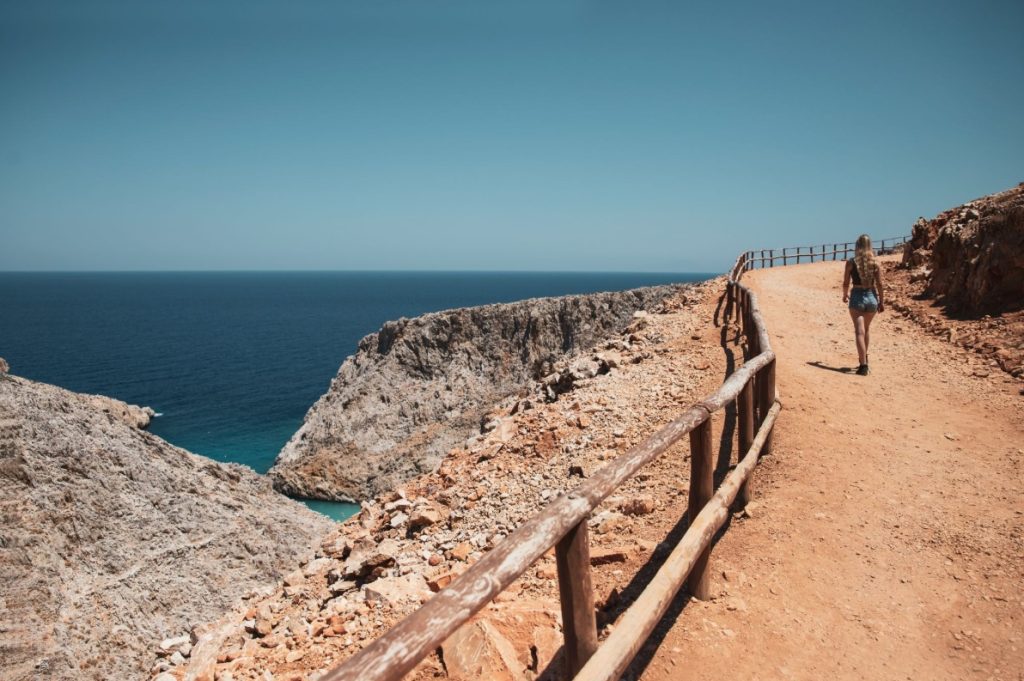
While generations may differ on what they say versus what they do, extreme weather is actively reshaping travel choices and timings, becoming a significant consideration for all age groups. Over three quarters of all survey respondents said they consider extreme weather risk when choosing both destination (79%) and timing (79%). In Asia Pacific, 74% of travellers say they actively avoid destinations known for extreme weather, 68% find extreme weather stressful when booking a trip and 64% feel unpredictable weather makes it hard to know when to travel.
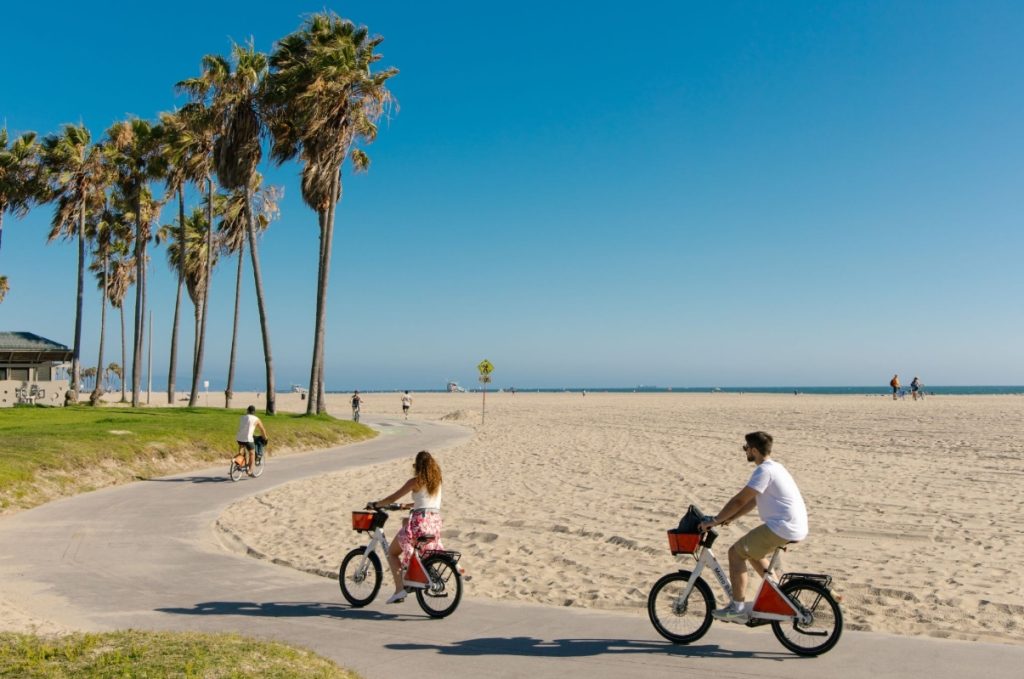
Strikingly, nearly half of Asia Pacific travellers (44%) reported having canceled or changed trip plans in the past twelve months due to extreme weather or natural disasters (e.g. high temperatures, storms, wildfires, floods, etc.). More than half of all those surveyed (56%) said that certain destinations had become too hot to travel to when they wanted to visit them, and that they had removed destinations from their travel wish list due to news of extreme weather or natural disasters (63%).
Broader Understanding of More Sustainable Ways to Travel
The efforts properties are making to operate more sustainably is, in fact, of equal importance across all ages: with nearly half of each age group in the region saying they plan to stay at an accommodation which has a sustainability certification in the next twelve months: Boomers (46%), Gen X (37%), Millennials (38%) and Gen Z (37%). And it’s not just intent, recently released data shows that travellers booked 100 million room nights at properties with a third party sustainability certification in 2025 on Booking.com.***

Alongside staying at properties that have a sustainability certification, and well-known behaviors like reducing waste, energy consumption and avoiding harm to wildlife, making conscious decisions about the timing and destination of trips are part of a broader understanding of how people plan to travel more sustainably in 2026.
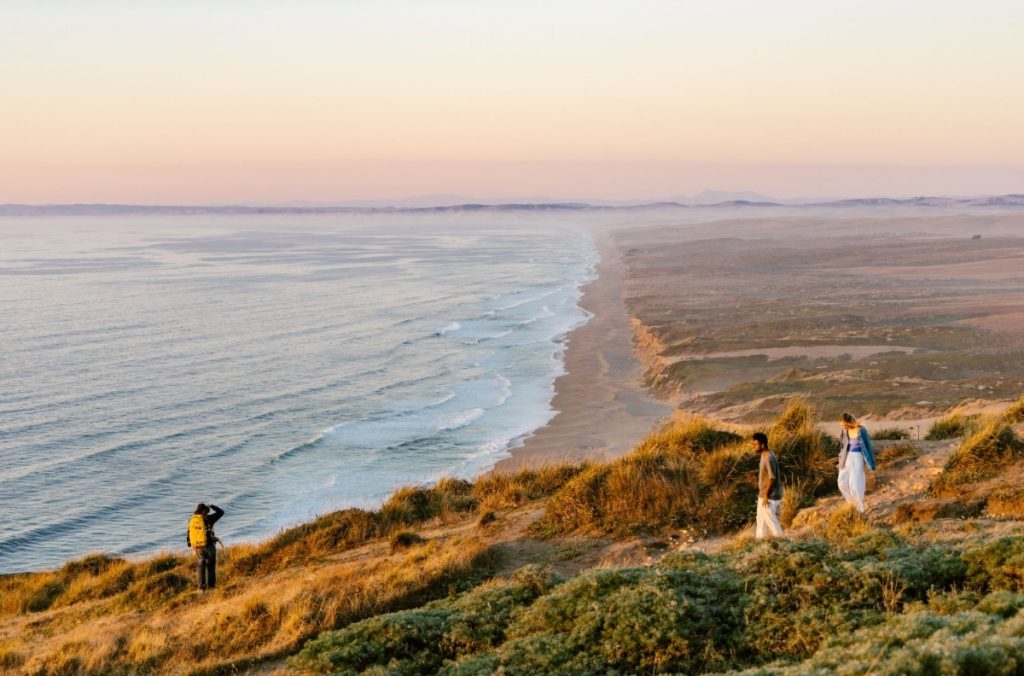
In Asia Pacific, 40% of travellers say they plan to avoid overcrowded tourist destinations , 47% plan to travel outside of peak season, and 28% will seek out destinations with cooler temperatures. Of those choosing quieter destinations, 36% state a desire to avoid contributing to overtourism, and 33% of those travelling outside of peak season want to reduce pressure on destinations, in line with a growing understanding of the impact of travel on communities as well as the environment.

“This year’s Travel & Sustainability Report shows that while generations may have different understandings of what constitutes more sustainable travel, adapting to extreme weather and actively avoiding crowds are now norms at all ages” Says Danielle D’Silva, Director of Sustainability, Booking.com. “We are encouraged by the broad range of ways travellers are already traveling more sustainably, and how they plan to continue. Whether that’s the 100 million room nights travellers booked with accommodation partners displaying a third-party sustainability certification on our platforms in 2025, using public transport or hiring an electric vehicle to get around on their trips, or indeed, choosing cooler and quieter destinations altogether. As a global leader in travel, we want to make it easier for both travellers and partners to continue to make these more sustainable choices so that everyone can continue to enjoy the benefits that travel brings, and that destinations can continue to be enjoyed by visitors and residents alike.”

 Facebook
 Twitter