
Words and Photos by Henrylito D. Tacio
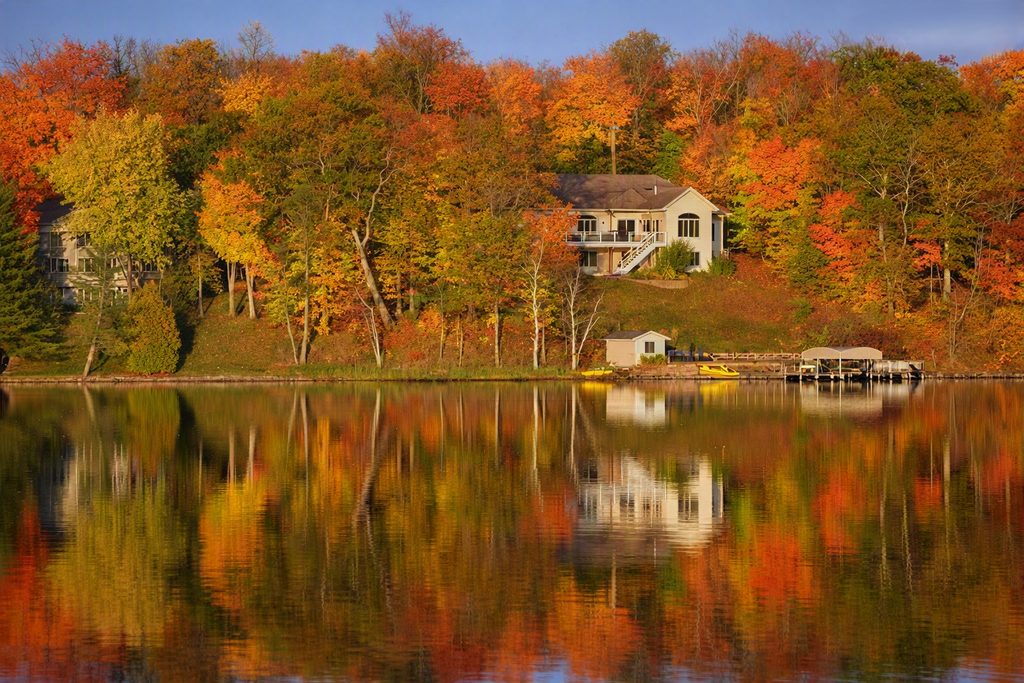
There is a moment each year when the world seems to pause—just briefly, just softly—before it turns the page. The heat of summer loosens its grip, the winds shift, and the air begins to carry a different kind of promise. It is the promise of autumn, a season that arrives not with fanfare but with a gentle nudge, reminding us that change can be beautiful, necessary, and even comforting. Autumn is the season that teaches the world to breathe again.
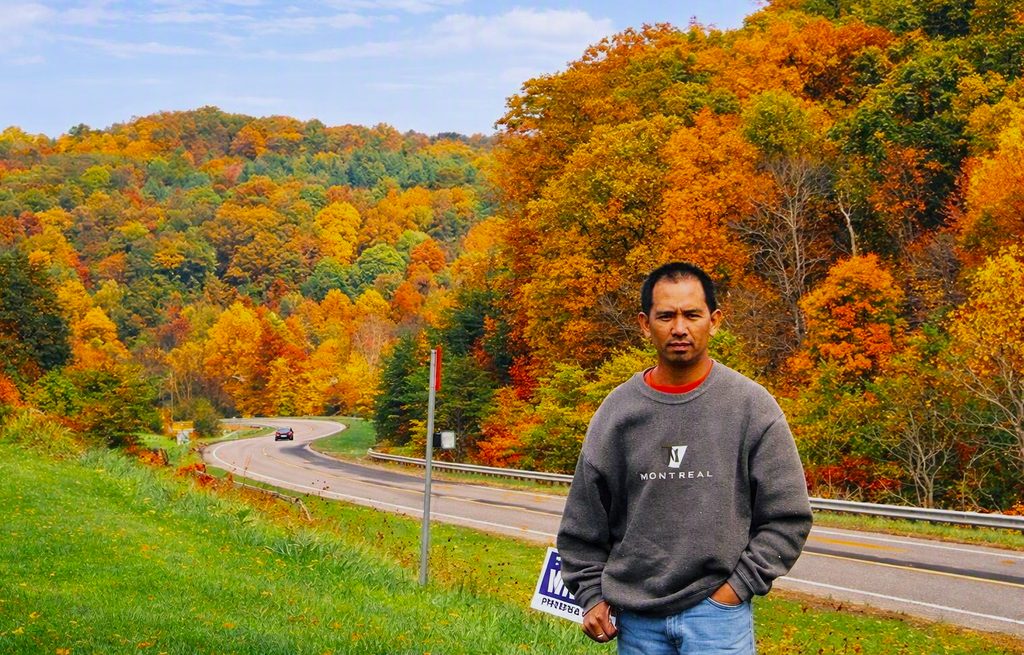
If you ever find yourself planning a trip to the United States, consider going during autumn. I say this not as a casual suggestion but as someone who has witnessed its quiet splendor more than once. I have visited the US nine times, and two of those journeys took place during the fall months. Those were the trips that stayed with me the longest.
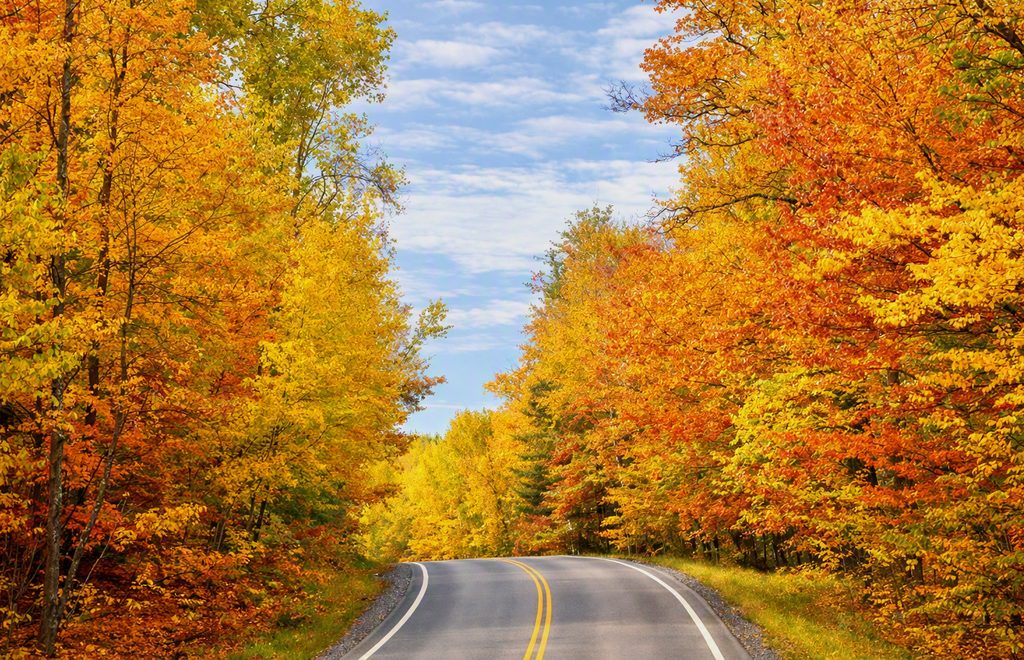
The first time I saw the trees dressed in their autumn colors—green melting into yellow, yellow deepening into orange, orange blazing into red, and red fading into brown—I asked my sister Elena if they were flowers. She laughed gently and said, “No, those are leaves.”
It was then that Albert Camus’ words made perfect sense:
“Autumn is a second spring when every leaf’s a flower.”
And truly, autumn feels like a second spring—only quieter, more reflective, more mature. It is beauty without the noise, color without the chaos.
American writers have long been enamored with this season. John Keats, in his timeless To Autumn, called it:
“…the season of mists and mellow fruitfulness,”
a companion of the sun that blesses the earth with ripeness.
Wendell Phillips described it as the “best portion of the various years,” while Richard Henry Stoddard marveled at its ever‑changing robe of colors. George Eliot confessed that her soul was “wedded” to autumn, and Robert Frost believed that even the skies of June could not rival October’s bright blue weather.
William Shakespeare, ever observant, saw harmony and luster in autumn’s sky—something summer could never quite replicate.
Even modern voices echo the same sentiment. My aunt, Aida Day, once told me she loved autumn best. I do, too. And perhaps the best explanation comes from an unknown author whose words capture the season’s spirit with striking clarity:
“Autumn is easily my favorite time of the year. The days have cooled down, the leaves have turned, and the world is busy preparing herself for winter… There’s something magical about the clear brisk days, the first smell of the woodstove, the first frost, the sounds of Canadian geese overhead as they pass through on their way south…”
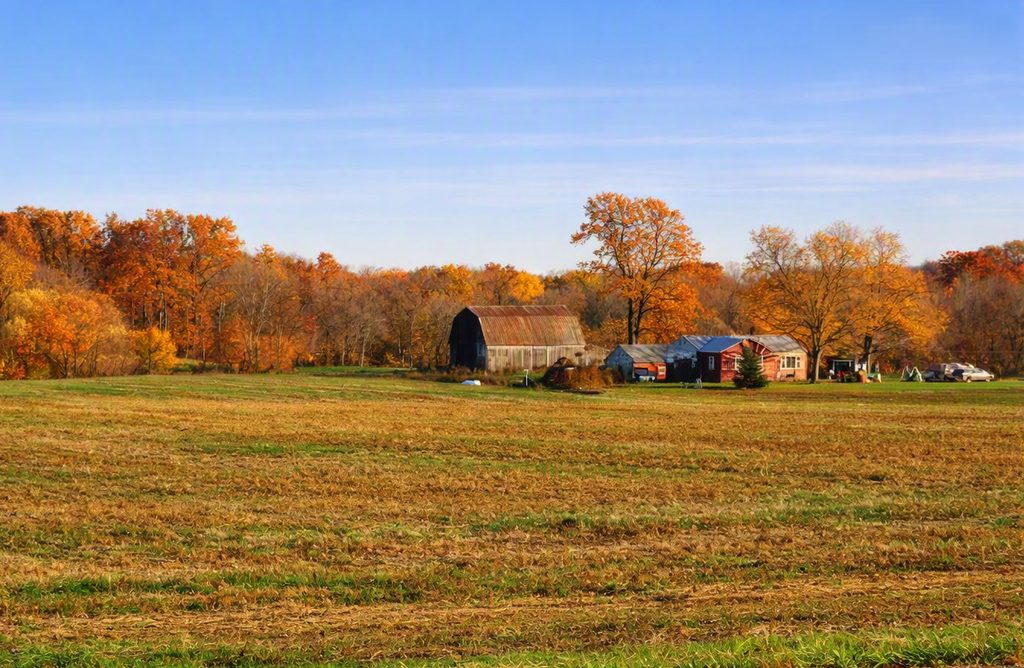
Autumn is preparation, yes—but it is also a celebration. It is the season of pumpkins and cider stands, of late harvests and early school days, of crisp mornings and long shadows. It is the season when the world slows down just enough for us to notice the details we often miss: the crunch of leaves underfoot, the way sunlight softens, the way the air feels cleaner, sharper, more honest.
And perhaps that is why autumn resonates so deeply. It is a season that mirrors life itself. We spend our early years in the spring of youth, our middle years in the summer of ambition, and then—slowly, gracefully—we enter autumn, the season of reflection. Autumn reminds us that change is not loss; it is transformation. Leaves do not fall because they are dying; they fall because the tree is preparing for another beginning.
Autumn teaches us that letting go is part of living. It teaches us that beauty can be fleeting and still be meaningful. It teaches us that endings are not failures but preludes. It teaches us that the world knows how to prepare for what comes next—and so can we.
In a world that often demands speed, autumn invites us to slow down. In a world obsessed with permanence, autumn shows us the elegance of impermanence. And in a world that fears change, autumn proves that change can be breathtaking.
So, when September comes and summer is gone, remember this: autumn is not merely a season. It is a lesson. A reminder. A quiet teacher. And perhaps, if we listen closely enough, we will realize that the falling leaves are not just leaves—they are the world’s way of telling us that it is okay to let go, okay to change, okay to begin again.

 Facebook
 Twitter