
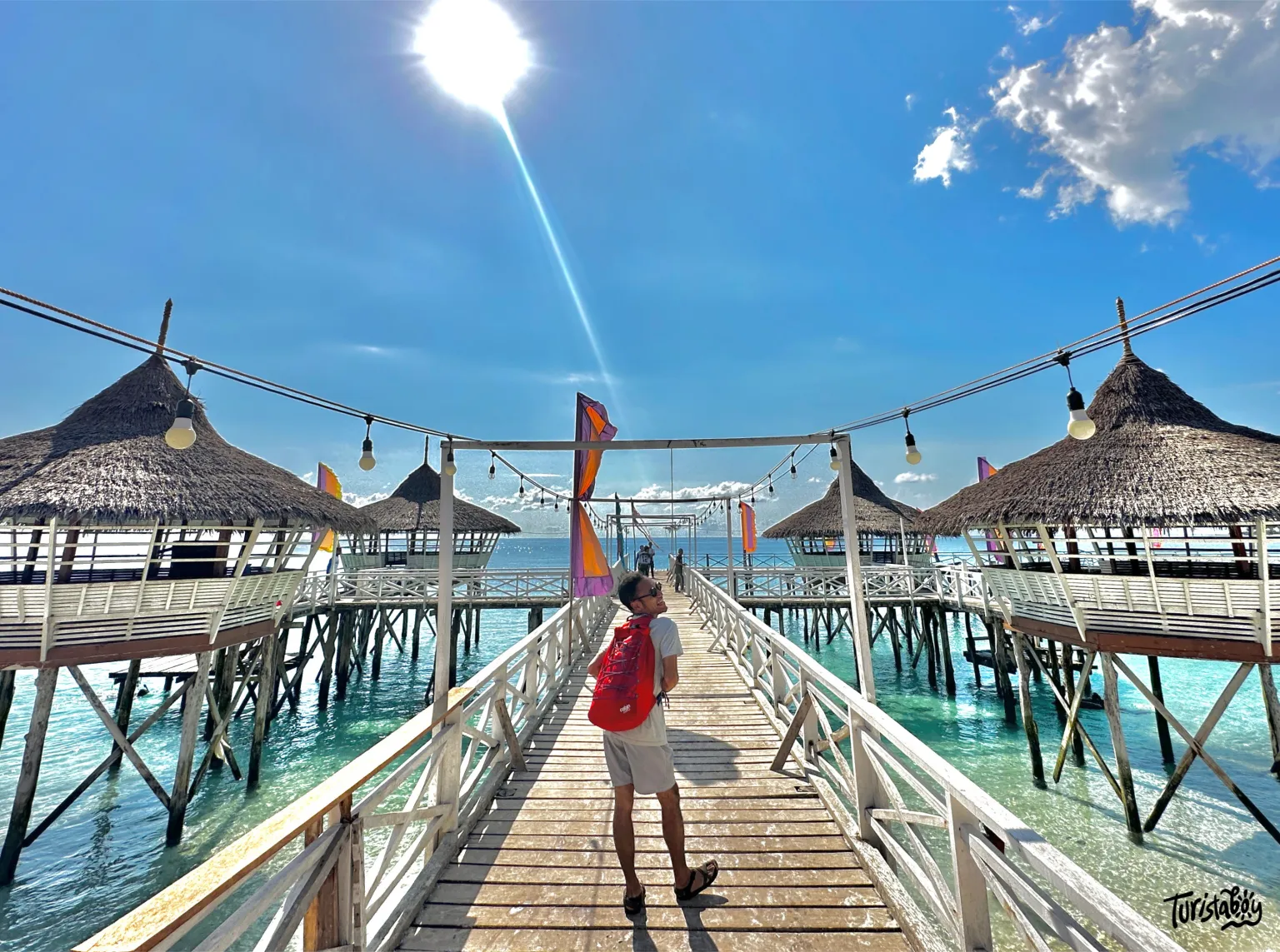
Sulu tourism is gaining renewed attention as the Department of Tourism (DOT) works with provincial officials to promote the province’s natural attractions and cultural heritage. The initiative aims to attract more visitors and create economic opportunities while ensuring that tourism development respects Islamic traditions, Tausug identity, and the customs of local communities.
The renewed government interest was welcomed by Sulu officials following a visit from a DOT delegation led by Assistant Secretary Ferdinand Jose Q. Bagcal. Vice Governor Abdusakur Tan received the delegation, according to a report published by the Philippine Daily Inquirer on November 16, 2026.
During the discussions, provincial officials highlighted the importance of developing tourism in a way that respects the beliefs and traditions of local communities. Visitors were also reminded to observe conservative dress expectations, respect Islamic practices, and follow local restrictions on public alcohol consumption.
The initiative reflects Sulu’s efforts to promote its natural attractions and cultural heritage while ensuring that tourism development remains compatible with the values of its predominantly Muslim population.
Sulu Sees Opportunities in Tourism Development
Sulu has considerable potential as a tourism destination, offering coastal landscapes, islands, marine resources, historical sites, and cultural experiences connected to the Tausug community.
The province is also known for its traditional crafts, local cuisine, and distinctive cultural practices that could provide visitors with a deeper understanding of its heritage.
Local officials have been encouraging more visitors to discover these attractions as improvements in peace and security create opportunities for economic development.
In August 2026, Sulu Governor Abdusakur Tan II promoted the province’s tourism potential and encouraged visitors to experience its natural beauty and cultural heritage.
However, transportation remains a challenge. The governor previously pointed to the limited availability of regular commercial flights to Jolo as an obstacle to attracting more tourists and supporting business activity.
Improving transportation connections, accommodation facilities, tourism services, and infrastructure will be important in making Sulu more accessible to travelers.
Respecting Islamic Traditions and Local Customs
A major part of Sulu’s tourism approach is ensuring that visitors understand and respect the cultural and religious practices of local communities.
As a predominantly Muslim province, Sulu has customs that visitors should consider when planning their trips.
Local officials have emphasized the importance of conservative clothing, respect for religious practices, and compliance with restrictions on public alcohol consumption.
Tourists are encouraged to dress appropriately, particularly when visiting communities and religious locations. They should also be mindful of prayer schedules and religious observances.
The emphasis on cultural sensitivity does not mean that visitors are unwelcome. Rather, it establishes expectations that can help tourists and local residents interact respectfully.
Tourism operators and travel organizers can also help by informing visitors about local customs before their arrival.
Government Investments Support Tourism Facilities
Efforts to strengthen tourism in Sulu are not limited to promoting the province’s attractions.
In September 2024, the Department of Tourism announced the development of a Tourist Rest Area in Patikul, designed to improve facilities and services for travelers.
The project includes visitor facilities, clean toilets, tourism information services, a pasalubong shop, and a musalla, or prayer room for Muslim visitors.
The facility also incorporates sustainability features such as solar panels and rainwater collection.
The project demonstrates how tourism infrastructure can be designed to accommodate the needs of visitors while recognizing the religious and cultural characteristics of the destination.
Cooperation between national government agencies and local authorities will remain important in expanding similar facilities and improving the overall visitor experience.
Sulu’s Natural Resources Offer Eco-Tourism Opportunities
Beyond its beaches and cultural attractions, Sulu also has opportunities to develop nature-based tourism.
Mangrove forests, coastal ecosystems, and marine environments can support activities such as guided nature tours, environmental education, and community-based tourism.
In July 2025, an initiative involving the Ministry of Agriculture, Fisheries, and Agrarian Reform in Sulu and the Municipality of Omar sought to promote sustainable aquasilviculture and mangrove eco-tourism.
The initiative combines mangrove rehabilitation, aquaculture, environmental protection, and livelihood opportunities for local communities.
Such projects could help create additional sources of income while encouraging the protection of natural resources.
For Sulu, responsible eco-tourism could provide a way to attract visitors without placing unnecessary pressure on its coastal and marine environments.
Sulu’s Transfer to Region IX Opens Another Development Chapter
Sulu’s tourism development is also taking place amid significant administrative changes.
In September 2024, the Supreme Court ruled that Sulu should not be included in the Bangsamoro Autonomous Region in Muslim Mindanao (BARMM), following the province’s rejection of the Bangsamoro Organic Law during the 2019 plebiscite.
The ruling became final in November 2024.
President Ferdinand Marcos Jr. subsequently signed Executive Order No. 91 on July 30, 2025, formally placing Sulu under Region IX, also known as the Zamboanga Peninsula.
The transition creates an important administrative context for coordinating national government programs, infrastructure development, and tourism initiatives involving the province.
Stronger connections with other destinations in Region IX could also create opportunities for tourism circuits and business partnerships.
Balancing Tourism Growth With Cultural Preservation
Despite its tourism potential, Sulu continues to face challenges involving transportation, infrastructure, investment, and the need to maintain peace and security.
Developing tourism will require cooperation among national agencies, provincial and municipal governments, local businesses, and communities.
Equally important is ensuring that residents benefit from tourism activities through employment, local entrepreneurship, cultural enterprises, and environmental conservation.
The renewed support from the Department of Tourism provides an opportunity to strengthen these efforts.
For Sulu, the goal is not simply to attract more visitors but to build a tourism industry that recognizes the province’s distinct identity.
As government agencies and local officials work toward this objective, the success of the initiative will depend on whether tourism growth can generate economic opportunities while protecting the traditions, communities, and natural resources that make Sulu unique.

 Facebook
 Twitter