
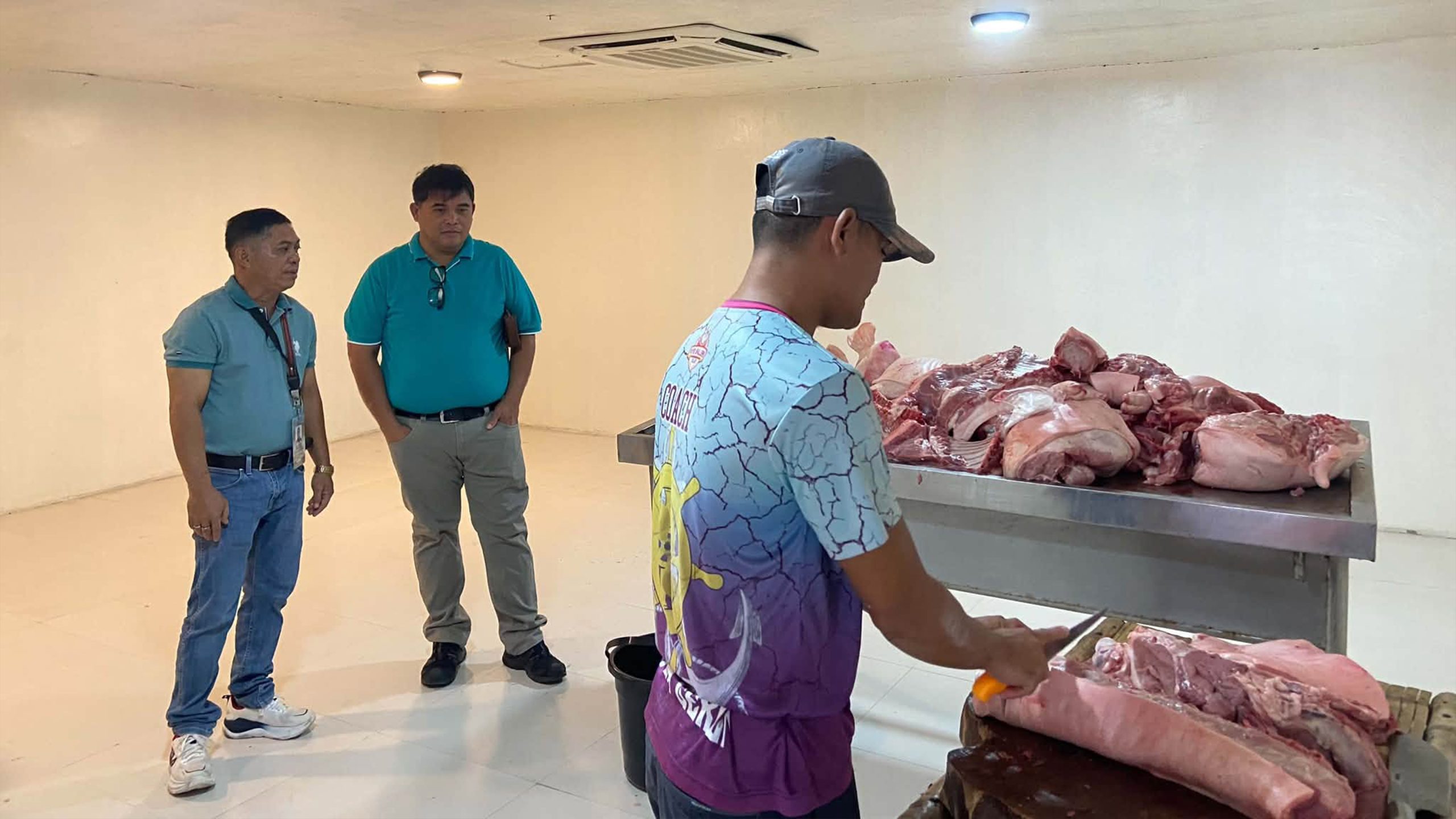
The Tampakan pork and rice incentive is part of a local government initiative in South Cotabato aimed at supporting struggling hog raisers while encouraging consumers to buy locally produced pork. The program, introduced alongside new minimum buying prices for live pigs, seeks to strengthen the local livestock industry amid concerns over declining farmgate prices.
The initiative, introduced under Executive Order No. 40, Series of 2026, was issued by Mayor Leonard Escobillo amid concerns over declining farmgate prices that have affected the income of local hog producers.
According to reports, the local government’s initiative aims to benefit both pork vendors and consumers while encouraging support for the municipality’s local hog industry.
Tampakan Sets Minimum Buying Prices for Live Hogs
Aside from the meat-and-rice incentive, the municipal government has established minimum buying prices for different categories of live hogs to prevent traders and middlemen from purchasing animals at excessively low rates.
Under the reported price schedule, quality backyard-raised hogs must be purchased at a minimum of ₱160 per kilogram, while culled sows and boars are priced at ₱100 per kilogram.
The prescribed prices for lechon-size hogs are ₱210 per kilogram for animals weighing 30 kilograms and below, and ₱200 per kilogram for those weighing between 31 and 60 kilograms.
Piglets are also assigned a minimum price ranging from ₱3,500 to ₱4,000 per head.
The order prohibits traders, middlemen, and other buyers from purchasing hogs below the prescribed rates. A Municipal Swine Trade Oversight Task Force will also be organized to monitor compliance and help enforce the regulations.
Hog Raisers Face Financial Difficulties
The local intervention comes as hog raisers in South Cotabato continue to face financial pressure from declining farmgate prices and increasing production challenges.
On October 7, 2026, the South Cotabato Provincial Board passed Resolution No. 2026-477, urging Governor Reynaldo Tamayo Jr. to allocate ₱3 million in financial assistance for hog raisers in the province.
According to provincial officials, producers can lose at least ₱1,500 per hog during a typical four-month raising cycle, excluding labor and other incidental expenses.
The proposed assistance is intended to help backyard, small-scale, and commercial hog producers cope with declining selling prices.
The provincial government has also considered distributing assistance through legitimate cooperatives and associations to ensure that qualified hog raisers receive the support.
National Government Also Moves to Protect Hog Industry
The challenges facing local hog producers are part of a wider problem affecting the Philippine pork industry.
On November 9, 2026, the Department of Agriculture announced a 60-day temporary suspension of selected pork imports as a safeguard measure to protect domestic producers.
Agriculture Secretary Francisco Tiu Laurel Jr. said the local hog industry had incurred an estimated ₱27.9 billion in losses during the first seven months of 2026 because of declining farmgate prices and increased pork imports.
The DA reported that pork imports reached 836,240 metric tons in 2025, up 42% from 589,675 metric tons in 2023.
The department also reported that imports accounted for approximately 65% of domestic pork production during the first half of 2026.
The temporary restriction covers specified fresh, chilled, and frozen pork products, including carcasses, certain meat cuts, and edible offal.
The measure is intended to help improve farmgate prices and give local hog raisers an opportunity to recover from mounting losses.
Supporting Local Hog Raisers and Consumers
Tampakan’s meat-and-rice incentive and minimum buying price regulations represent a local government effort to address the difficulties facing the livestock sector.
By establishing minimum buying prices, the municipality aims to protect hog producers from unfairly low offers. Meanwhile, the meat-and-rice initiative seeks to encourage pork purchases and provide an additional incentive to consumers.
The effectiveness of these measures will depend on proper implementation, market participation, and continued support for local livestock producers.
For communities that depend on backyard hog raising and small livestock businesses, initiatives like these could provide additional support as the country works to strengthen its domestic pork supply.

 Facebook
 Twitter