
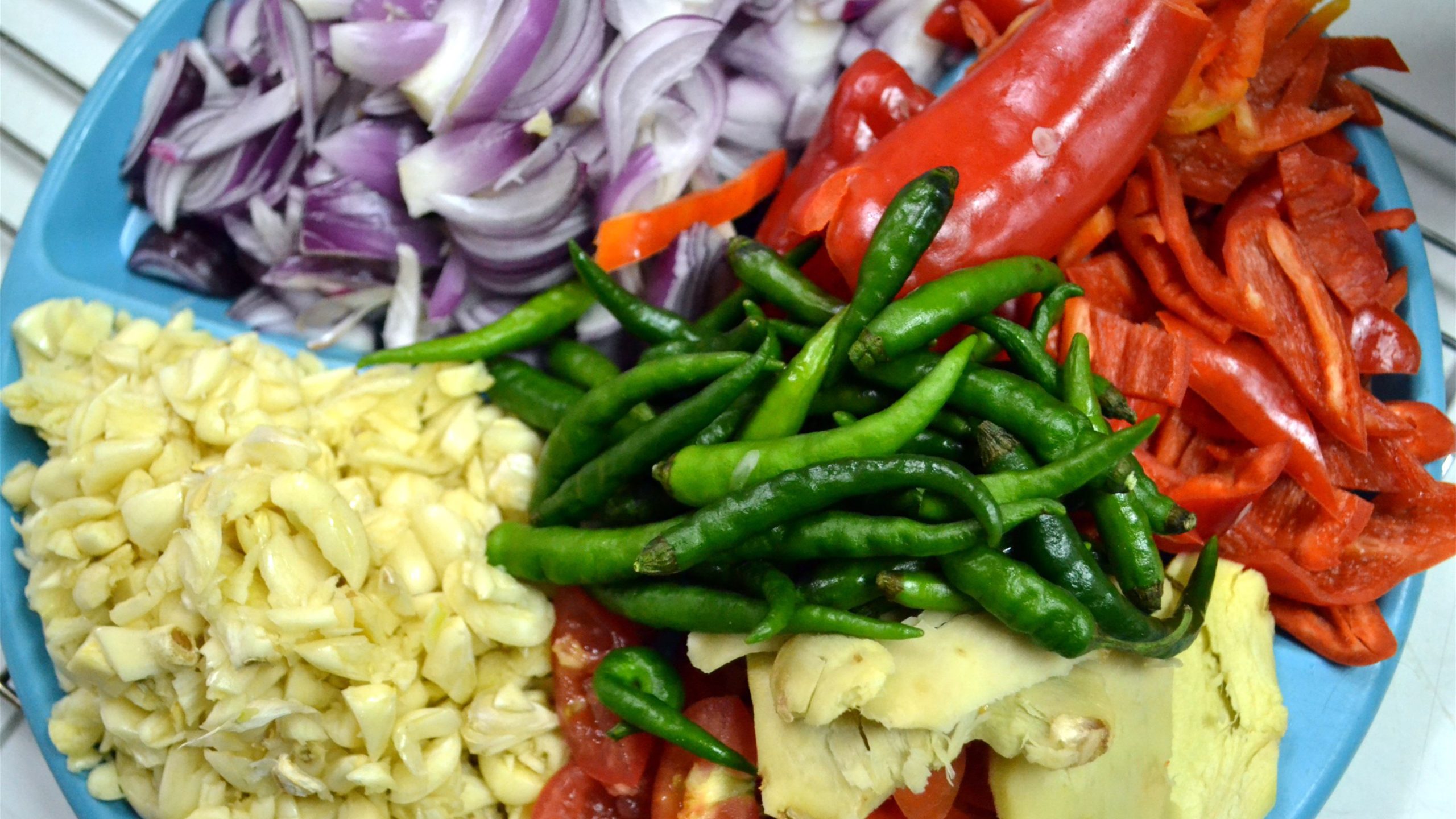
Growing sweet pepper is becoming one of the most profitable vegetable ventures in the country due to its high market price and strong consumer demand.
Sweet pepper (botanically known as Capsicum annuum) is probably the highest priced in the country. It sells from P80 to P250 per kilogram in the wholesale and retail market, respectively. During special occasions like fiestas and Christmas, the price even goes up.
Undoubtedly of American origin, atsal – as it is known among people in Mindanao and Visayas – is an ancient vegetable. It was found in excavations of pre-historic remains in Peru and apparently was widely cultivated in Central and South America.
Never confused sweet pepper with hot pepper (scientific name: Capsicum frustescens); both are different species. In the past, both were classified as one but due to the extreme variability in fruit forms and to the frequent appearance of new types through natural cross pollination, two types were adopted by experts.
Wikipedia shares this information: “The fruit of most species of pepper contains capsaicin, a chemical that can produce a strong burning sensation in the mouth of the unaccustomed eater. Most mammals find this unpleasant; however, birds are unaffected. The secretion of capsaicin is an adaptation to protect the fruit from consumption by mammals while the bright colors attract birds that will spread the seeds.”
Sweet peppers have a very high content of vitamin A, C and E (all antioxidants) that help to effectively neutralize free radicals. Antioxidants protect the body from carcinogenic and toxic substances. In addition, it has almost the whole range of vitamin B complexes (B1, B2, B3, B5, B6 and B9). Other minerals are potassium, manganese, thiamine, molybdenum, tryptophan, copper, cobalt and zinc.
Sweet peppers are processed mostly as pickled peppers. Fresh sweet peppers are a common part of tossed salads and relish trays; they are particularly tasty when stuffed with any of a vast number of mixtures of meat and vegetables.
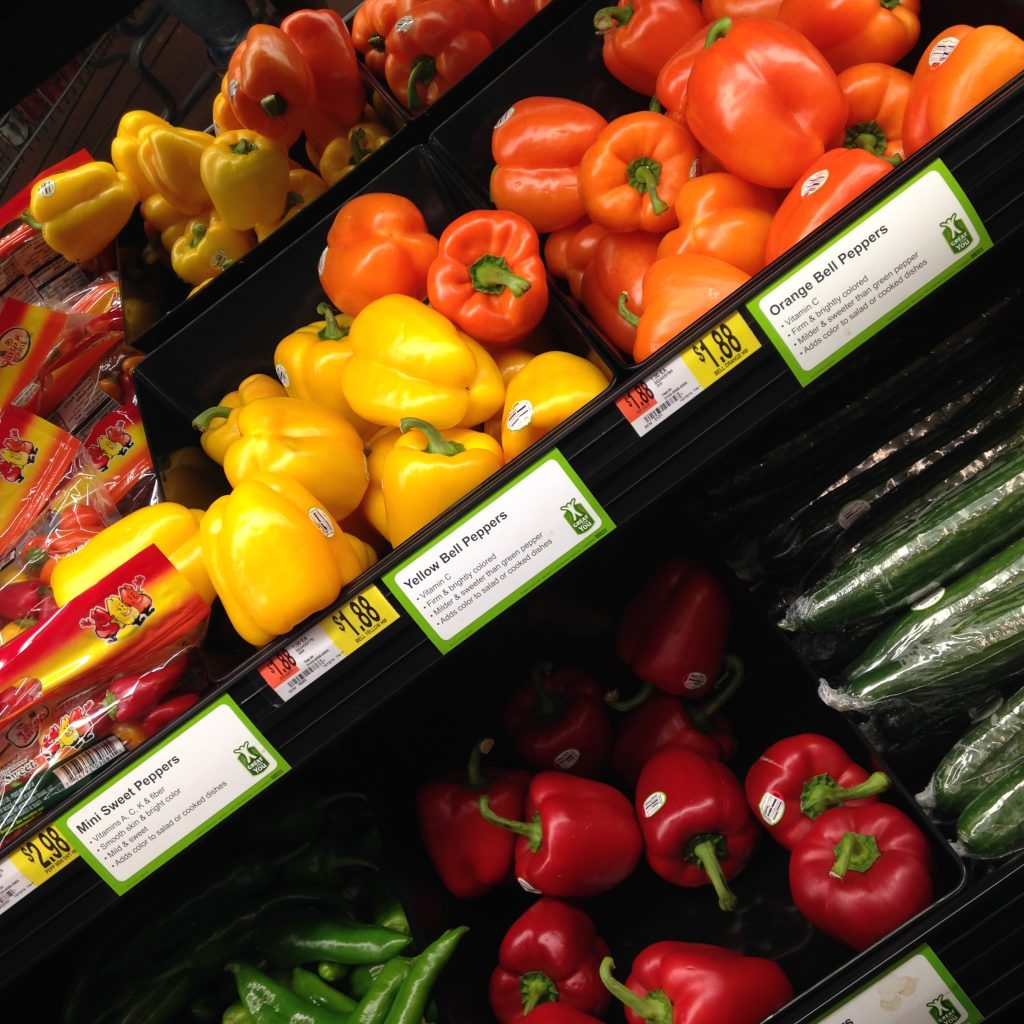
Unknowingly, sweet peppers have been used for its medicinal values since ancient times but have only recently been documented by medical science. A small sweet pepper could provide up to three times more of the recommended daily amount of vitamin C, much more than any citrus food.
As such, sweet pepper is very effective in preventing blood clot (which prevent strokes) and helping health, repair, and strengthen the lining of the mucous membranes to prevent nose bleeds. Likewise, the high vitamin C and beta-carotene makes sweet pepperespecially beneficial in preventing eye problems like astigmatism, cataracts and macular degeneration.
Sweet pepper is considered as a stimulant herb. Experts have found that it helps relieve gastrointestinal problems like indigestion,stomach ulcers, colic, dyspepsia, diarrhea and even help reduce excessive flatulence.
For farmers who want to plant sweet pepper, they should plant the crop in a sandy or sandy loam soil that is well-drained, mellow, loose, and rich in organic matter. The soil pH should be between 5.5 and 6.8, according to the Asian Vegetable Research and Development Center (AVRDC).
Sweet pepper can be planted in both dry and wet seasons, since it can tolerate a range of climates – from warm, temperate to tropical. However, it cannot stand waterlogged areas. When planted during the rainy season, the field should be properly drained.
“Growing sweet peppers in a different season or under a different rotation system might provide higher yields and/or higher prices,” the AVRDC notes. “Relay or intercropping might provide extra income from the same piece of land, and reduce insect and disease problems. Calculate potential returns, and choose the variety and cropping system that serve you best.”
Sweet peppers are commonly propagated by seeds. There are two things which should be done to ensure a good harvest of quality sweet pepper fruits. First, the seeds to be planted must be free from diseases. Second, the seeds must be treated before sown.
The seedlings must be planted first in seedbed or seedbox before they are planted in the field. Seven to days before transplanting, the seedlings are hardened first. The most practical method of hardening is by direct exposure to sunlight and a gradual reduction in watering both in amount and frequency.
Land preparation. The land must be thoroughly prepared by mechanical means or with the use of animal-drawn implements. For slightly rolling areas, contour plowing is highly recommended. Big clods of soil must be broken.
Transplanting. Seedlings are ready for transplanting four weeks after sowing. Transplanting is done in the late afternoon or on a cloudy day to minimize transplant shock. Each plant is buried half its total height (root to tip) and immediately irrigated after transplanting.
Mulching. Whether planted during the dry or rainy season, it is necessary that the spot where the seedlings have been transplanted be mulched with dry leaves or rice straw. Mulching is more effective when done right after transplanting the seedlings.
Weeding. Weeds must be controlled to attain maximum crop yield. If mulching can’t be practiced, cultivation may be employed. Cultivation also helps plants absorb water and improves soil aeration.
Irrigation. Sweet peppers need moderate irrigation. Lack of moisture in the soil results in poor yield. But during the rainy season, it is important to build drainage canals because sweet peppers are fairly shallow-rooted and have low tolerance to flooding. They generally wilt and die if they stand in water for very long.
Fertilization. In absence of soil analysis, the recommended fertilizers for one hectare are 60 kilograms of nitrogen, 130 kilograms of phosphorus and 95 kilograms of potassium. Half of this is applied as a basal application before planting. The remaining half is applied as sidedressing one month after planting. If commercial fertilizers are not available in the area, compost, manures, or leaves of nitrogen fixing trees (kakawate or ipil-ipil) may be used.
Pruning. To maximize production, prune the stems of the plants which are not productive. Pruning must be done carefully with a sharp knife or a pruning shears.
Pest and disease management. Like most crops, sweet peppers are attacked by pests and diseases. Integrated pest management (IPM) should be followed. IPM has many components, including good hygiene, field scouting, mechanical control, cultural practices, biological control, and chemical control.
Harvesting. Harvesting is dictated by the market. For example, if sweet pepper is intended for immediate use, “red ripes” are preferred but if intended for distant markets, “green wraps” are the choice. If intended for nearby markets, “breakers” or “pinks” are preferred.
“Green wraps” are distinguished by shiny green fruit about to ripen; “breakers” by the discoloration (change of color) around the blossom end; “pinks” by the ripening of half of the fruit; and “red ripes” by fully ripe sweet pepper intended to be sold immediately.
Usually, it takes 34-50 days from flowering to optimum harvest stage. For most sweet pepper varieties, production usually lasts 6-8 weeks (3-4 harvest as fruits ripen).

 Facebook
 Twitter