
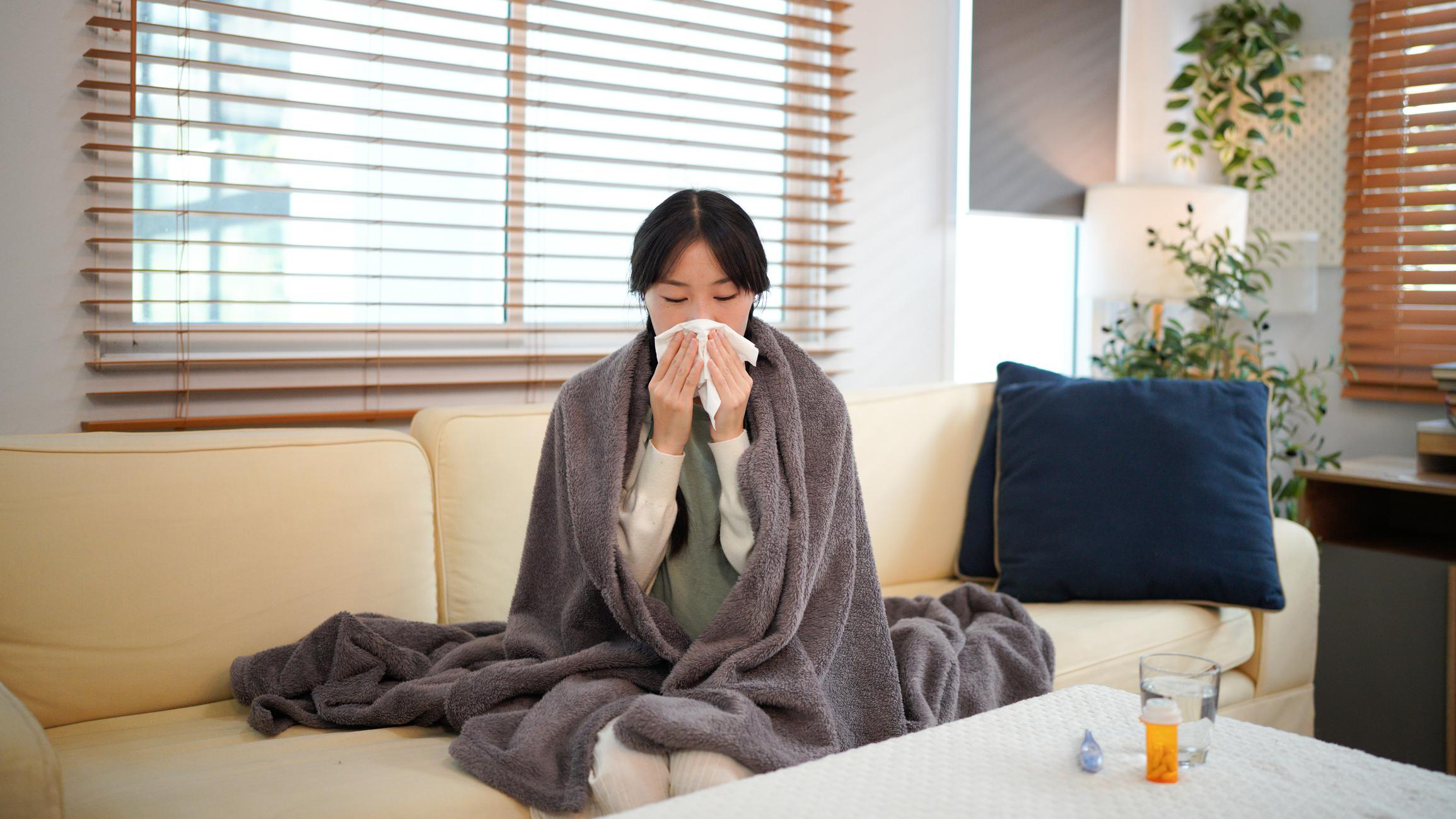
Flu-like illnesses in the Philippines increased by 31% during the first two weeks of October 2026, according to the latest Department of Health (DOH) surveillance data. The rise has renewed concerns about respiratory infections as health authorities encourage families to recognize common symptoms, practice preventive measures and protect vulnerable members of their households.
The Department of Health (DOH) recorded 15,042 influenza-like illness (ILI) cases from October 1 to 14, 2026, compared with 11,517 cases during the preceding two-week reporting period. The figures represent an increase of 3,525 reported cases, according to reports published by the Philippine News Agency.
Although the latest figures show a noticeable increase, the DOH surveillance data also indicate that cumulative cases remain below last year’s level.
As of October 28, the Philippines had recorded 139,013 ILI cases for 2026, approximately 19% lower than the 171,506 cases reported during the comparable period in 2025.
Regions Reporting Increases in Flu-Like Illnesses
The latest reports identified Western Visayas, MIMAROPA and Central Visayas among the regions experiencing the highest percentage increases in reported cases.
Health authorities have also placed 17 provinces and highly urbanized cities across 10 regions under heightened surveillance.
These developments highlight the importance of monitoring respiratory illnesses, particularly among children, senior citizens and people with existing medical conditions.
However, an increase in influenza-like illnesses does not automatically mean the country is experiencing a confirmed influenza outbreak.
What Are the Symptoms of Influenza-Like Illnesses?
Influenza-like illness is a surveillance category used by health authorities to monitor patients experiencing symptoms associated with respiratory infections.
Common symptoms include fever, cough, sore throat, runny or congested nose, headaches, muscle pain and fatigue.
It is important to understand that not all reported ILI cases are confirmed influenza infections. Other respiratory viruses, including respiratory syncytial virus (RSV), rhinovirus and other pathogens, can produce similar symptoms.
Laboratory testing is necessary to identify the specific virus responsible for an infection.
Who Is Most at Risk?
While many people recover from respiratory infections without serious complications, certain groups face a higher risk of severe illness.
These include children younger than five, adults aged 65 and older, pregnant women and individuals with chronic conditions such as diabetes, asthma, heart disease and other respiratory illnesses.
People belonging to these groups should seek medical advice when experiencing flu-like symptoms, particularly if their condition worsens.
Difficulty breathing, chest pain, confusion, severe weakness and signs of dehydration require immediate medical attention.
How Can Filipino Families Prevent Flu-Like Illnesses?
Health experts recommend several preventive measures to reduce the spread of respiratory infections.
These include washing hands regularly, covering the mouth and nose when coughing or sneezing, avoiding close contact with sick individuals and wearing a face mask when experiencing respiratory symptoms.
Staying home while sick can also help prevent infections from spreading in workplaces, schools and public transportation.
Annual influenza vaccination is another important preventive measure, especially for people at higher risk of complications.
The DOH has also reported expanded influenza vaccination efforts, including additional vaccine allocations intended to protect vulnerable populations.
Health Awareness Remains Important
The recent increase in flu-like illnesses serves as a reminder for Filipino families to remain attentive to respiratory health.
Although cumulative cases are lower than the previous year’s figures, the latest two-week increase highlights the importance of prevention, vaccination and early medical consultation.
Recognizing symptoms and taking appropriate precautions can help reduce the risk of transmission and protect vulnerable members of the community.
Sources: Department of Health (DOH), Philippine News Agency, World Health Organization (WHO), and US Centers for Disease Control and Prevention (CDC).

 Facebook
 Twitter